Gauja National Park visiting guide
From Riga: Gauja National Park full-day hike
Duration: 8 hours
- Small group
- Hotel pickup
How do you visit Gauja National Park from Riga?
Take the Pasažieru Vilciens train to Sigulda (1 hour, €3) and use Sigulda as your base. The park is free to enter; main costs are castle entrance fees (€6–8) and any guided hike. Best in September–October for autumn colors, or June–August for full facilities.
Gauja National Park — Latvia’s most spectacular natural landscape
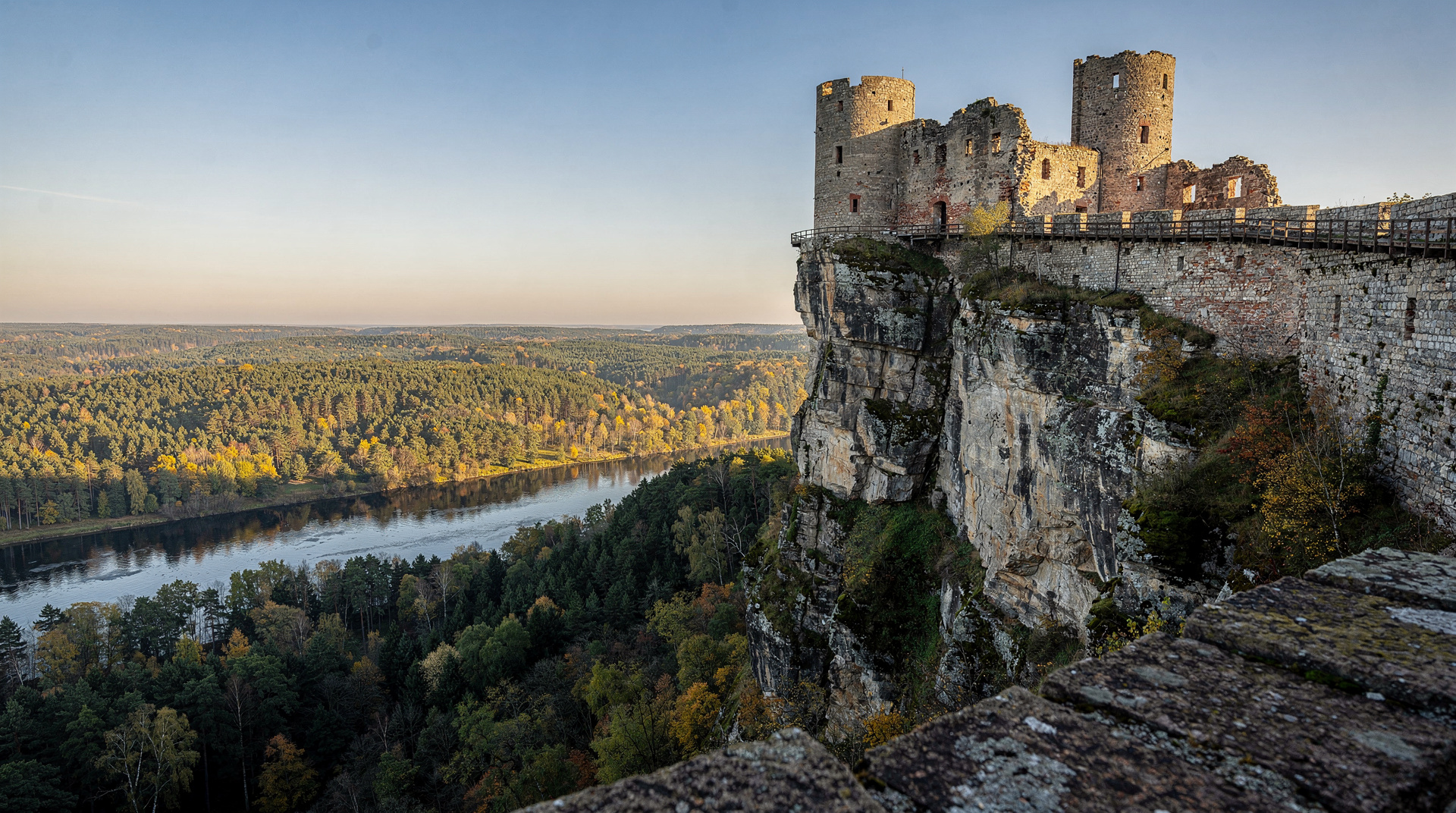
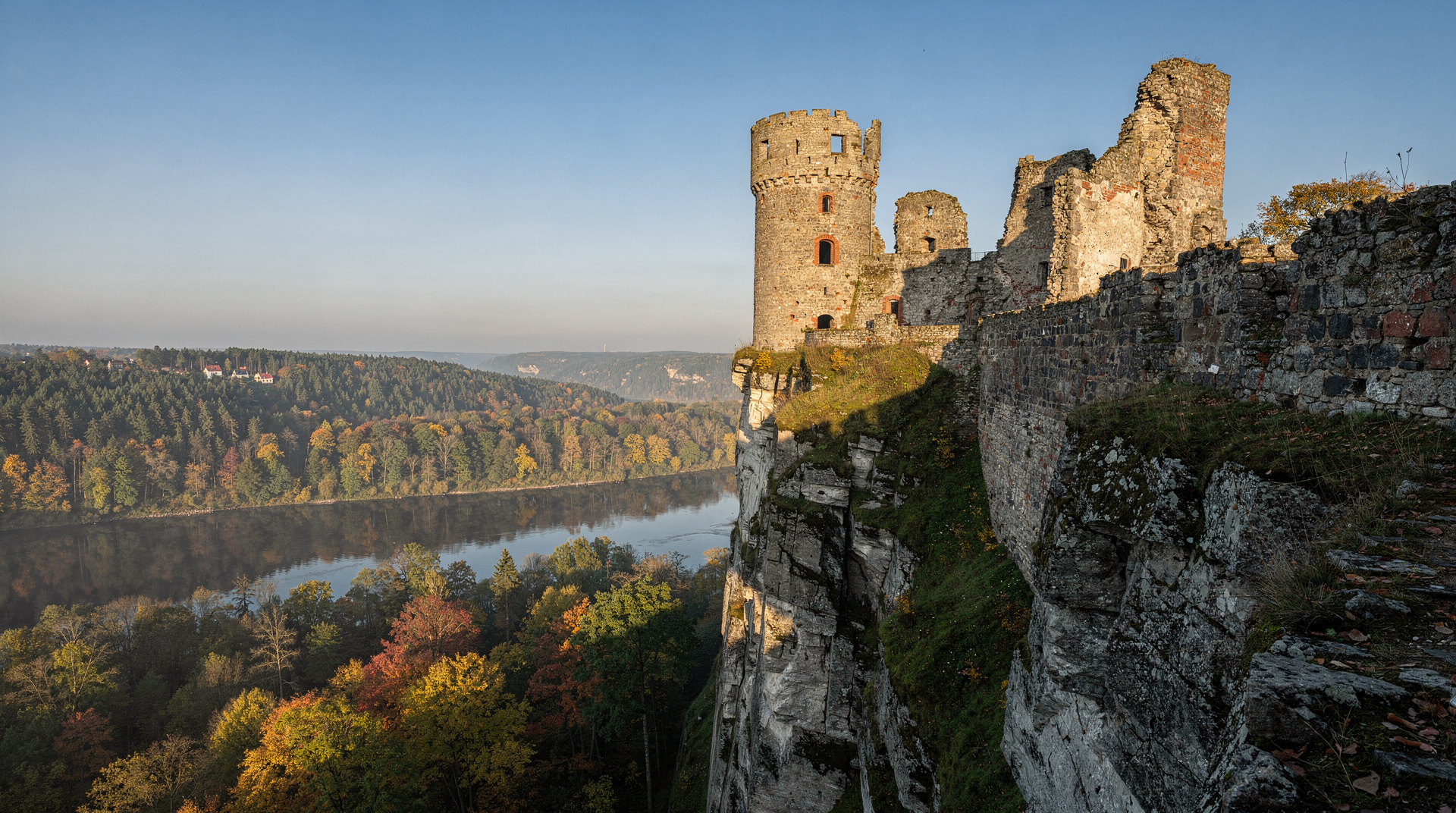
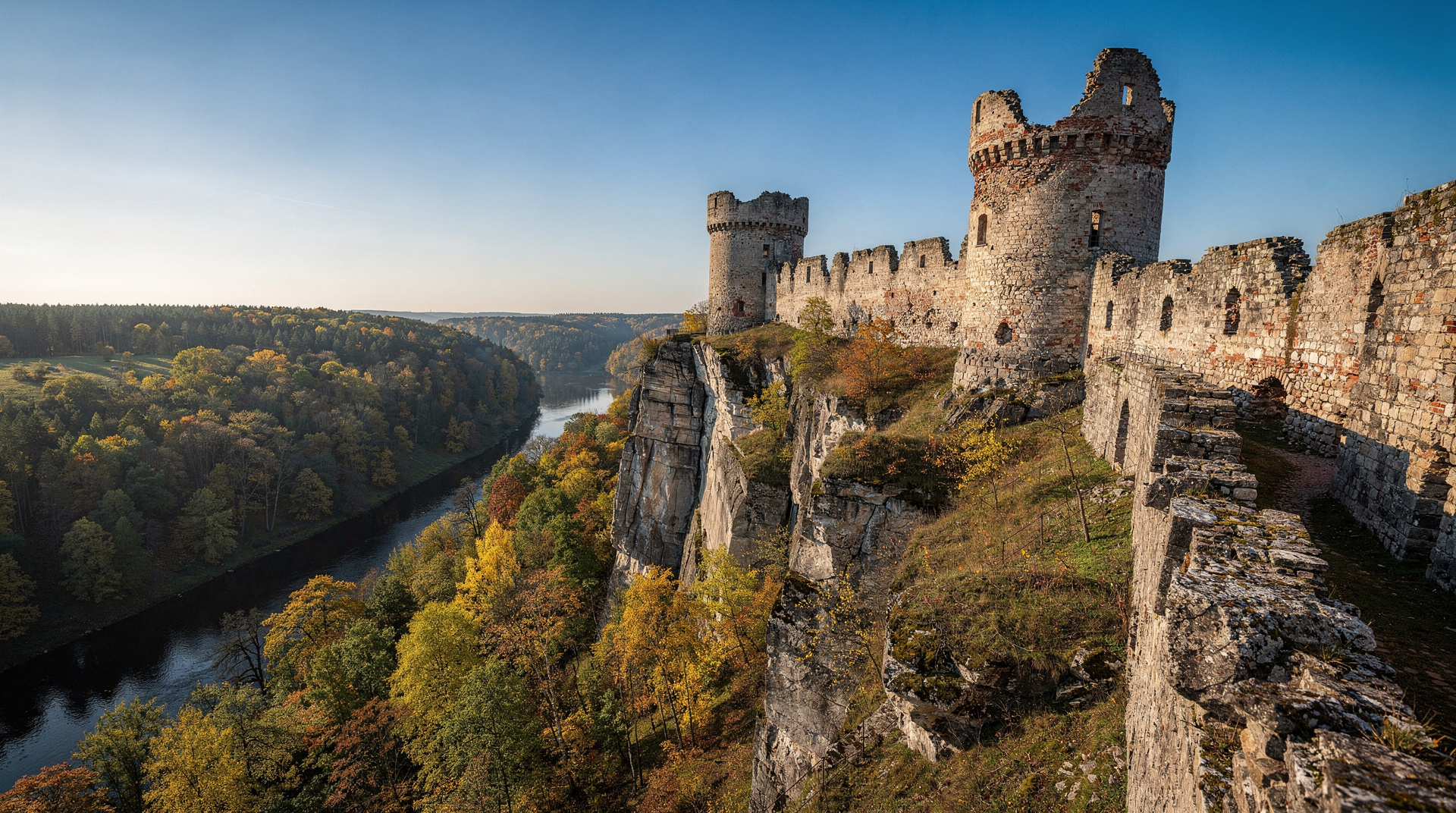
Gauja National Park is the largest national park in Latvia (917 km²) and the most visited for excellent reasons. The Gauja River has spent several thousand years carving a dramatic valley through red sandstone and dolomite, creating a landscape of forested ridges, sandstone cliff faces, cave formations, and river meanders that is unlike anything else in the flat Baltic plain. Add medieval castle ruins, one of the Baltics’ best castles (Turaida), and a network of hiking trails that are genuinely well maintained and signposted, and you have the strongest day-trip case from Riga.
| Where | Sigulda (53 km) or Cēsis (90 km) from Riga |
| Cost | Park entry free; castles/caves €2–8 |
| Time needed | Full day; multi-day for the full valley trail |
| Getting there | Train from Riga, 1 hour to Sigulda, €3 |
| Best time | September–October for autumn colour and fewer crowds |
The park encompasses the towns of Sigulda, Cēsis, and Valmiera. Most day-trippers from Riga use Sigulda as their base — it is the closest, most accessible, and has the highest concentration of sights in a walkable area. Cēsis is covered in its own guide (Cēsis castle visiting guide) and is worth a separate day or an overnight if time allows.
Getting there
By train (recommended): Pasažieru Vilciens runs hourly departures from Riga Central Station to Sigulda. Journey time 1 hour, price €3 each way. Buy at the station window — online booking is limited to residents. The train station is the standard entry point.
By car: The A2 motorway from Riga to Sigulda takes 45–60 minutes depending on traffic. Parking is available near Sigulda town center and at the main trail heads. Having a car allows you to reach more remote sections of the park (Līgatne, the Ērgļu Cliffs, the Gauja valley near Cēsis) that are impractical on public transport in a single day.
Organized day trip from Riga: Several GYG operators run full-day guided tours:
From Riga: Gauja National Park full-day hike — €85, 8 hours Gauja National Park 15 km guided hiking tour — €78, 7 hoursThe organized tours include transport from Riga, which removes the logistical complexity of the train-to-trailhead connection, particularly useful if you plan to cover more than just the Sigulda perimeter.
What to see: the essential itinerary from Sigulda
A full-day visit from Riga (arrival ~10:00, departure ~18:00) can comfortably cover the following:
Morning (10:00–13:00): Start at the Sigulda Medieval Castle ruins (10 min walk from the station, €4 entry). The ruins of the 13th-century Livonian Order castle are well-signposted and give an excellent panoramic view of the Gauja valley from the top of the surviving tower. Then walk down the valley to Gūtmanis Cave — a 2 km walk on a signposted trail through mixed forest. The cave is the largest in the Baltic states: a 18 m wide, 12 m high sandstone overhang with centuries of carved inscriptions on its walls. Entry €2.
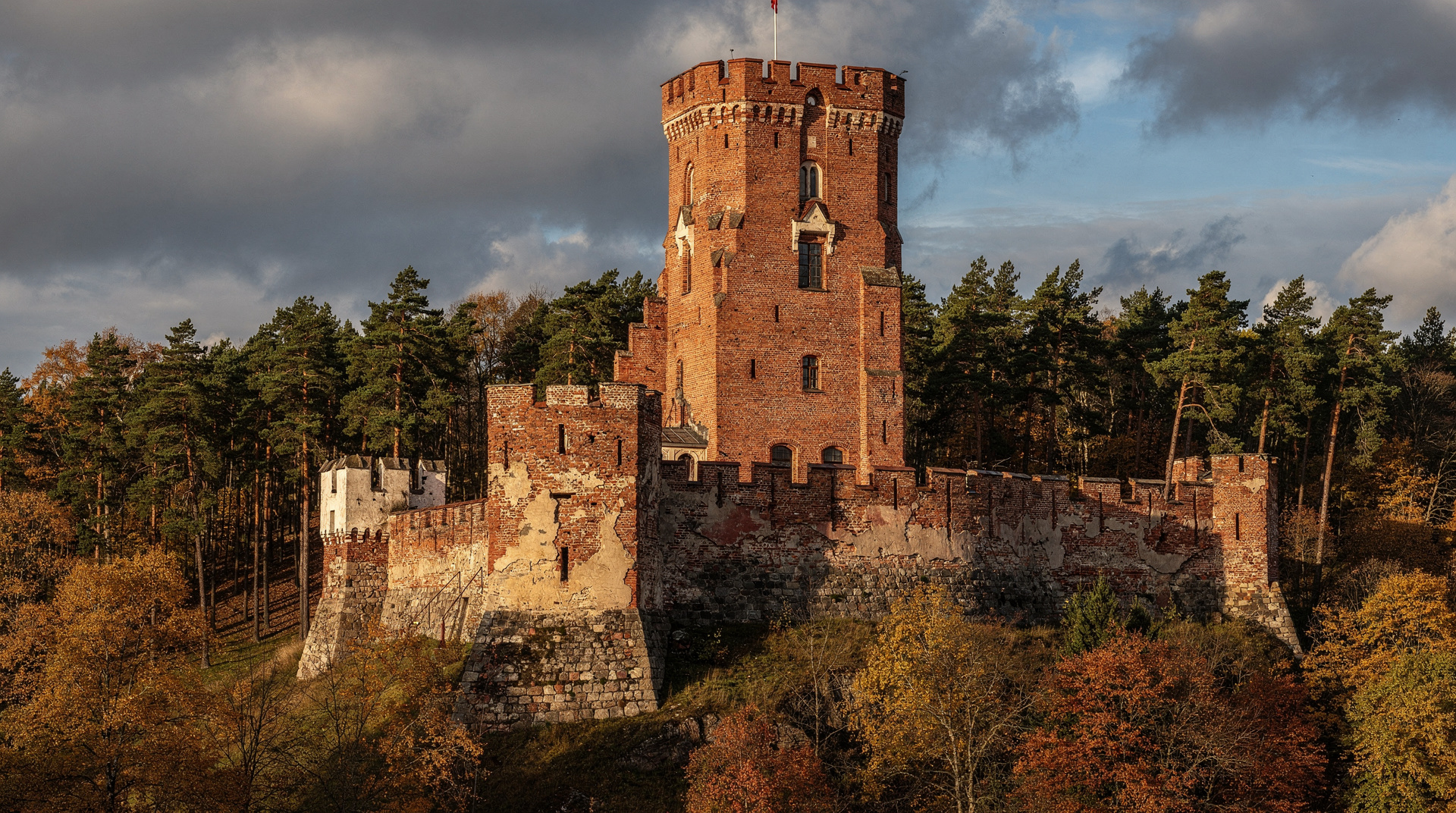
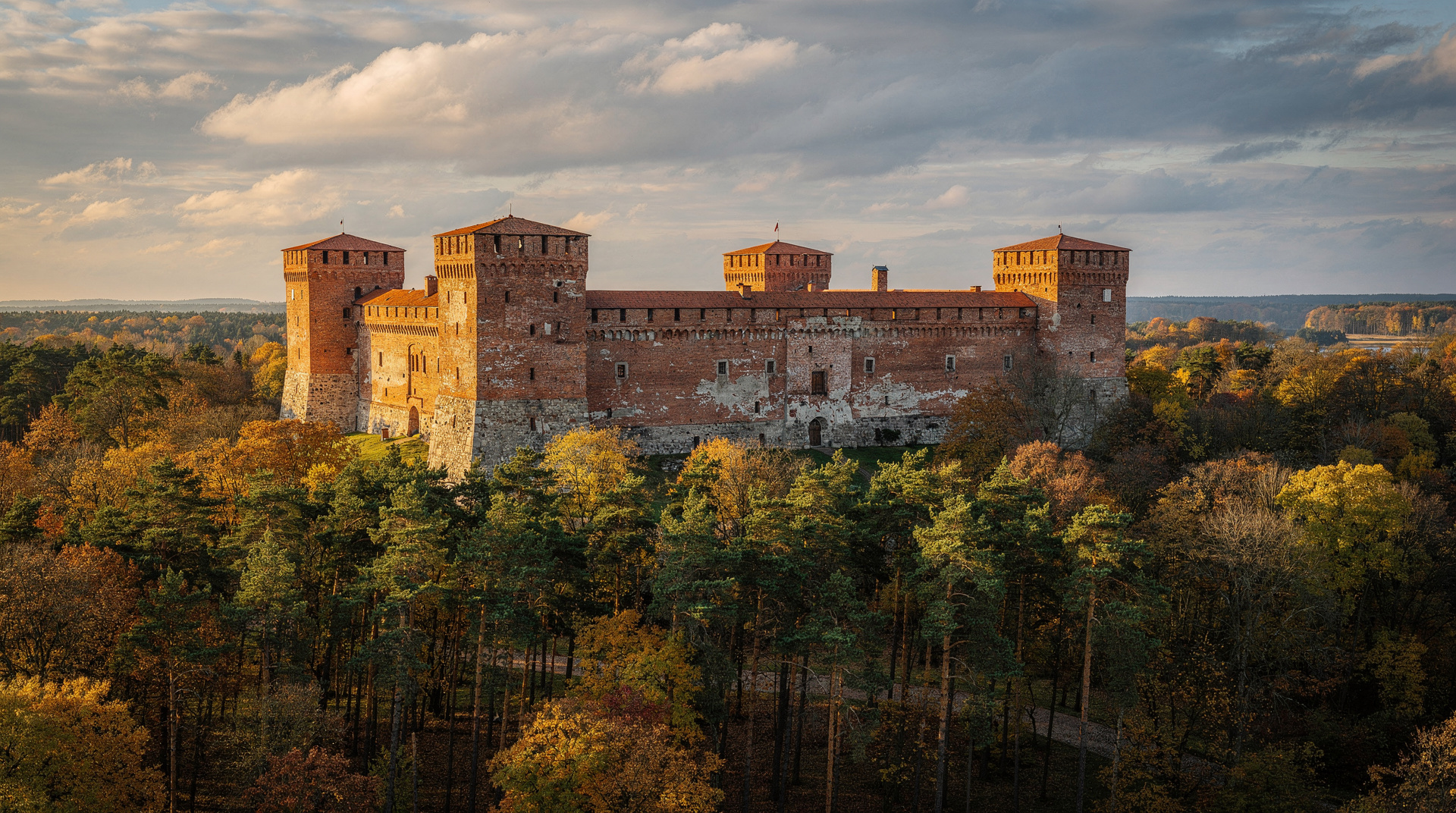
Midday: Continue from Gūtmanis Cave to the Turaida Museum Reserve. The walk through the valley between the cave and Turaida is one of the finest in Latvia: the trail follows the river, passes several smaller sandstone caves and cliff faces, and emerges at the red-brick towers of Turaida Castle. Allow 3–4 hours for the full Turaida Museum Reserve, which includes the castle, the 18th-century manor, and the folklore garden. Entry €8. See the full Turaida Castle visiting guide.
Afternoon (14:00–17:00): Options diverge here. For a longer hike, continue along the valley trail toward Krimulda Castle ruins (free to access) and loop back via the suspension bridge over the Gauja. For a more relaxed afternoon, return to Sigulda New Castle and the viewpoint terrace, then explore the cable car across the valley (€8 return, spectacular views). The bobsleigh track is an obvious option in summer (April–September).
The guided hike option
Day trip to Gauja National Park: animals, castles and grottos — €95, 8 hoursThe organized tours cover significantly more ground than a solo visit typically achieves. The 15 km hiking tour follows the full valley route between Sigulda and Cēsis with stops at the best viewpoints, cave formations, and historical sites that require local knowledge to find. For those who want depth rather than just the main highlights, the guided format is worth the extra cost over a solo train day.
Seasonal advice: when to go
June–August: Full facilities, all attractions open, maximum daylight. Also maximum crowds — the Sigulda–Turaida trail is genuinely busy on summer weekends. Temperatures 18–25°C, occasional afternoon thunderstorms.
September–October: The autumn color peak, particularly late September to mid-October. The valley fills with gold and copper tones, the light on the sandstone cliffs is more dramatic in the lower sun, and the crowds thin significantly after the first week of September. This is the best time to visit, full stop.
April–May: The park reopens fully in April. Fewer crowds, some spring flowers in the forest. Trail conditions variable — muddy in places after snow melt.
November–March: The park is open year-round but several attractions reduce hours or close. Turaida operates limited hours. The valley trails are accessible on dry winter days, and the landscape has a genuinely atmospheric quality under snow. Not a practical day trip in the shortest days of December and January given light constraints.
| Season | Weather | Crowds | Highlights |
|---|---|---|---|
| Jun–Aug | Warm, 18–25°C, occasional storms | High, especially weekends | Full facilities, bobsleigh, cable car |
| Sep–Oct | Cool, crisp | Low after early September | Autumn colour, best photography |
| Apr–May | Mild, variable trail conditions | Low–moderate | Spring flowers, reopening facilities |
| Nov–Mar | Cold, short days | Very low | Snow atmosphere, limited hours |
Honest rain-day advice
Riga and Gauja receive substantial summer rainfall — June, July, and August are all wet months, with approximately 10–12 rainy days per month. This creates a consistent planning problem for day-trippers: you book the train, it rains.
The honest answer: Gauja in rain is not a wasted day. The sandstone cliffs and cave formations are if anything more dramatic in wet conditions — the waterfalls and seepage channels run more strongly, the forest drips and steams, and the light has a quality that is impossible in harsh summer sun. The Turaida Castle museum is entirely indoor and is excellent in any weather. Wear waterproof shoes (muddy trails are real) and a shell jacket, and the experience is genuinely worthwhile.
The only true washout scenario is a full day of heavy rain with no breaks — roughly 3–4 days per month statistically. If the forecast shows sustained rain for the entire day, shifting the Sigulda visit and going to a city-based attraction (museums, food tour) is sensible. The park is not going anywhere.
See also: Sigulda hiking trails and Gūtmanis Cave for the detailed trail breakdown, and Riga to Sigulda by train for the transport logistics.
What to pack for a Gauja day trip
Because the standard route mixes paved town sections with forest trail, packing sensibly makes a real difference to comfort. Sturdy trainers or light hiking shoes handle the Sigulda–Gūtmanis–Turaida route comfortably in dry weather; waterproof shoes are worth the extra weight if rain is forecast or the ground has been wet in the preceding days.
A light rain shell is worth carrying even on a sunny forecast day, since Baltic summer weather changes quickly and the valley floor can feel noticeably cooler and damper than Riga itself. Bring cash in small denominations for castle and cave entries — some ticket booths, particularly the smaller ones at Gūtmanis Cave, are not always set up for card payments. A refillable water bottle is useful; there are cafés at Sigulda, Turaida, and along the main trail sections, but not at every point along the valley.
Mobile signal is generally reliable throughout the park, including the deeper valley sections, so navigation apps and offline maps are a good backup to the physical trail signage. Insect repellent is worth packing from late spring through summer — the river valley’s mixed forest and standing water in places support a healthy mosquito population, particularly in the early evening.
The Gauja valley ecosystem — understanding what you are walking through
A fuller appreciation of Gauja National Park comes from understanding what makes its ecosystem unusual. The park protects one of the best-preserved river valley ecosystems in the Eastern Baltic — a combination of factors that rarely coincide in a single location this close to a major city.
The sandstone geology: The Gauja valley was carved through Devonian-age sandstone (approximately 380 million years old) deposited when this area was a shallow tropical sea. The resulting red and pink sandstone cliffs are unusually soft — water seeps through the porous rock and creates caves, springs, and waterfalls continuously. New caves and overhangs form over geological time; the ones you walk through today are the result of processes that have been ongoing for 12,000 years since the last glaciation.
The forest composition: The valley supports a mixed forest unusually rich in species for the latitude: oak, linden, ash, and hornbeam on the southern-facing slopes; spruce, birch, and alder on the northern-facing and valley-floor sites. This mix creates an unusual biodiversity compared to the more monotonous spruce monoculture of much of Latvian forestland.
Wildlife in the park: The park is home to elk (moose), roe deer, wild boar, beavers, otters, and — less commonly seen but resident — wolves and lynx. The more accessible sections around Sigulda have very little chance of wildlife encounters; the remoter northern sections toward Cēsis and Līgatne are where the larger mammals occasionally cross hiking trails.
The bird diversity is high: white-tailed eagles nest along the Gauja; black storks (a species that requires undisturbed large forest for breeding) are present in the park’s core zones; kingfishers are visible along the river. The bog sections toward Slīteri and the river margins near Līgatne are particularly good for wetland bird species.
Multi-day hiking in the Gauja valley
For serious hikers, Gauja National Park offers multi-day trails that bear no resemblance to the day-tripper experience from Sigulda. The most significant route is the Gauja Valley Trail, a 90 km path that runs the full length of the park from Valmiera in the north to Siguld in the south. It can be walked in 4–6 days, with accommodation options at trail shelters, campsites, and the small towns along the route (Cēsis, Līgatne, Sigulda).
The trail is marked (red trail markers, occasionally poorly maintained in remote sections) and passes through the most dramatic cliff and cave sections of the valley while avoiding the tourist concentrations around Sigulda. Day 2 of the trail, between the Ērgļu Cliffs (Eagle Cliffs) and Cēsis, is considered the most spectacular section — sheer 30-meter sandstone faces above the river, accessible only on foot.
This multi-day option requires planning (accommodation booking, food resupply, trail condition checks in spring and autumn), but represents one of the genuinely world-class walking experiences accessible from Riga.
Gauja in the context of the Baltic national parks
Latvia has three national parks: Gauja, Ķemeri, and Slīteri. Gauja is the largest and most visited; Ķemeri is covered in its own guide.
In regional context, Gauja ranks favorably against the equivalent parks in the Baltic states: Estonia’s Lahemaa National Park (also excellent, very different landscape — more coastal and boreal) and Lithuania’s Aukštaitija National Park (lake-focused, gentler terrain). For valley hiking specifically — the combination of sandstone geology, castle ruins, and medieval history overlaid on the natural landscape — Gauja is unmatched in the region.
The comparison with larger Scandinavian parks (Swedish Tyresta, Norwegian Jotunheimen) is scale: Gauja is a 917 km² park, the Scandinavian parks are multiples of that. What Gauja offers that the larger parks do not is the density of historical and cultural layers — medieval castles, archaeological sites, folk heritage — overlaid on the natural landscape within a very compact area.
Cēsis as a second base
While most day-trippers use Sigulda as their base for Gauja National Park, Cēsis (30 km north of Sigulda on the same train line) offers a less crowded access point with excellent accommodation options and the additional draw of its medieval Old Town.
An overnight in Cēsis — arriving by train from Riga (2 hours, €5), spending one afternoon and evening in the Old Town and castle, then hiking south along the valley trail toward Sigulda the next morning — is one of the most rewarding 24-hour combinations available from Riga. The trail section from Cēsis southward is the quietest and most beautiful part of the full valley route.
See the Cēsis castle visiting guide and the Cēsis day trip guide for detailed planning information.