Cēsis day trip from Riga: the medieval town most visitors skip
From Riga: Cēsis, Sigulda and Turaida Castle tour
Duration: 10 hours
- Hotel pickup
- Free cancellation
- Best seller
Is Cēsis worth visiting as a day trip from Riga?
Yes — and it is underrated. The medieval castle with its candle-lit tunnel tours, the genuine cobblestone old town, and the Gauja valley views make Cēsis one of the most rewarding day trips from Riga. Train: €5, about 2 hours each way.
Cēsis: the Baltic city that time forgot (in the best way)
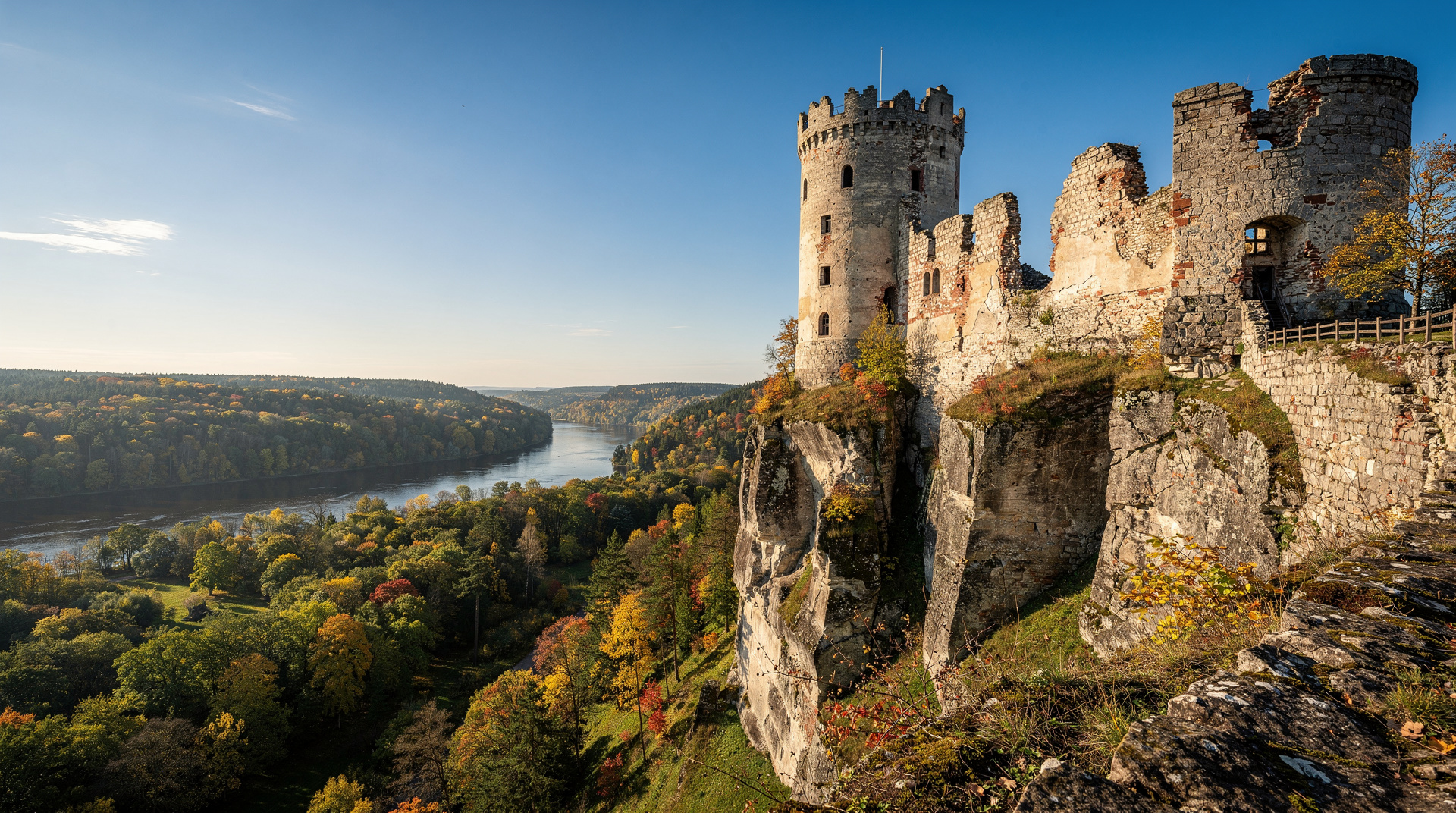
Ninety km northeast of Riga, Cēsis (pronounced “TSAY-sis”) is what Tallinn’s Old Town would be if it were still genuinely lived in rather than managed for tourism. The medieval street grid is intact. The old market square is flanked by 18th-century buildings rather than souvenir shops. The 13th-century crusader castle still dominates the skyline. And on a Tuesday morning in September, the old town is nearly empty except for local residents going about their day.
Cēsis was founded in 1209 by the Livonian Brothers of the Sword — the German crusading order that Christianised the Baltic and left a chain of castle fortresses from Tallinn to Riga to Bauska. It was one of the most important towns in medieval Livonia, briefly the seat of the Livonian Confederation in the 15th century, and a significant trade centre on the Hanseatic routes.
Today the medieval heritage survives unusually intact, partly because Cēsis was never heavily industrialised and partly because the Soviet authorities, while not gentle, did not demolish the old town as happened elsewhere. The castle ruins and the adjacent St John’s Lutheran Church (1281, rebuilt 16th century) sit at the top of the hill above the old town squares like a crown above an unexpectedly dignified small city.
For visitors coming from Riga, Cēsis offers something Sigulda does not: a proper historic town to walk around, with real cafes and restaurants patronised by locals, actual bookshops and bakeries, and a sense that life happens here independent of the tourist season.
| Where | Cēsis, 90 km northeast of Riga |
| Cost | Train €5 each way, castle entry €5.50 |
| Time needed | Half-day (4–5 hours) minimum, full day recommended |
| Getting there | Train from Riga Central Station, about 2 hours |
| Best time | Weekday, September for fewer crowds and good light |
Getting there
By train
Pasažieru Vilciens runs trains from Riga Central Station on the Valmiera line, stopping at Sigulda and Cēsis. Journey time to Cēsis: approximately 1 hour 45 minutes to 2 hours. Single ticket: approximately €5. Trains run several times a day; check pv.lv for current timetables — note that the service is less frequent than the Jūrmala or Sigulda lines, so planning around specific departure times matters.
The Cēsis station is a 10-minute walk from the old town centre. Turn left out of the station, walk up Raunas iela, and you will reach the main square (Vienības laukums) in about 10 minutes.
By guided tour
The Sigulda, Cēsis and Turaida Castle combined tour at €95 covers all three sites in a 10-hour day with hotel pickup and a guide. This is the best option for combining Cēsis with Sigulda in a single trip, covering ground that is genuinely difficult to manage by train alone.
The Cēsis medieval heritage and natural treasures tour at €48 is a local Cēsis-based walking tour that focuses specifically on the town and castle — useful if you arrive by train and want a structured guided walk of the castle and old town.
By car
From Riga via A2 motorway to Sigulda, then P20 regional road north to Cēsis. About 90 km, 1 hour 15 minutes. Having a car allows you to continue to Valmiera, explore the Gauja valley between Cēsis and Sigulda, and visit the Araisi lake dwelling site (ancient pile dwelling village, about 8 km south of Cēsis).
What to see and do
Cēsis Castle complex
The castle complex consists of two structures: the medieval ruins of the Livonian Order castle (13th–16th century) and the adjacent New Castle (18th century), now housing the Cēsis History and Art Museum.
The ruins and candle tour: Entry to the castle ruins is €5.50 for adults, €3.50 for children. On arrival, each visitor is given a genuine metal candle lantern with a lit candle. You then explore the medieval ruins — towers, chambers, passageways, cellars — by candlelight, using the candle as your primary light source in the darker interior spaces. This is not a gimmick designed for Instagram: the candle is genuinely necessary in the underground sections, and the experience of navigating 13th-century stone chambers with only a small flame for light is appropriately humbling.
The main western tower (38 metres, with 97 steps) has a viewing platform with panoramic views over the Gauja valley and the surrounding countryside. On clear days you can see deep into the forest toward Sigulda.
The New Castle (museum): The 18th-century manor house adjacent to the ruins contains the Cēsis History and Art Museum — solid exhibitions on the medieval history of the Livonian Order, the town’s development as a trade centre, and the 20th-century history of Latvia. Entry included with the castle complex ticket. Allow 45 minutes.
St John’s Lutheran Church (Cēsis St John’s Church): The church dates to 1281, rebuilt and expanded through the 16th century. The interior has whitewashed vaulting, a baroque pipe organ (still used for concerts), and medieval burial stones in the floor. The tower is open in summer for an additional fee of €2. One of the better-preserved medieval churches in Latvia.
The old town
Cēsis old town is compact — you can walk its main streets in 30 minutes, or spend 2–3 hours exploring at a leisurely pace.
Vienības laukums (Unity Square): The main square was rebuilt after a 1748 fire that destroyed much of the old town. The surrounding buildings are mostly 18th and 19th century — solid brick townhouses with classicist facades. Outdoor cafe terraces appear in summer.
Rīgas iela and Lenču iela: The main commercial street leading south from the square has a good independent bookshop (Cēsis Grāmatnica), a bakery (Cēsis Maize) that makes excellent dark rye bread and cinnamon buns, and several cafes. The side streets have surviving examples of wooden 19th-century residential architecture.
Cēsis Park and Araisi Lake: Southeast of the old town, the Cēsis City Park runs along the edge of the Araisi Lake (Araišu ezers). In summer the lake has a beach, a children’s playground, and rowing boat rental. A pleasant post-castle walk.
Araisi Lake Dwelling Site
About 8 km south of Cēsis (car or taxi), the Araisi Archaeological Museum Park contains a reconstructed Viking-age pile dwelling village — wooden structures built on platforms over the lake, connected by boardwalks, exactly as they appeared in the 9th–10th centuries. Entry about €4.50. The reconstruction is based on genuine archaeological excavations from the 1960s–70s and is one of the best open-air archaeology sites in Latvia. Allow 1 hour.
Sample itinerary
8:00 — Train from Riga Central Station. 9:45 — Arrive Cēsis station. Walk to old town (10 min). 10:00 — Cēsis Castle ruins with candle tour, including tower climb (2 hours). 12:00 — Old town walk: St John’s Church, Vienības laukums, Rīgas iela. 13:00 — Lunch at one of the old town cafes (Cēsis Kafija or Ganu iela cafe). 14:00 — City park and Araisi Lake walk (1 hour). 15:00 — Optional: taxi to Araisi pile dwelling site (return taxi arranged). 17:00 — Train back to Riga.
A later return train means you can spend more time in the old town or extend to Araisi without rushing.
Cēsis vs. other Gauja valley day trips
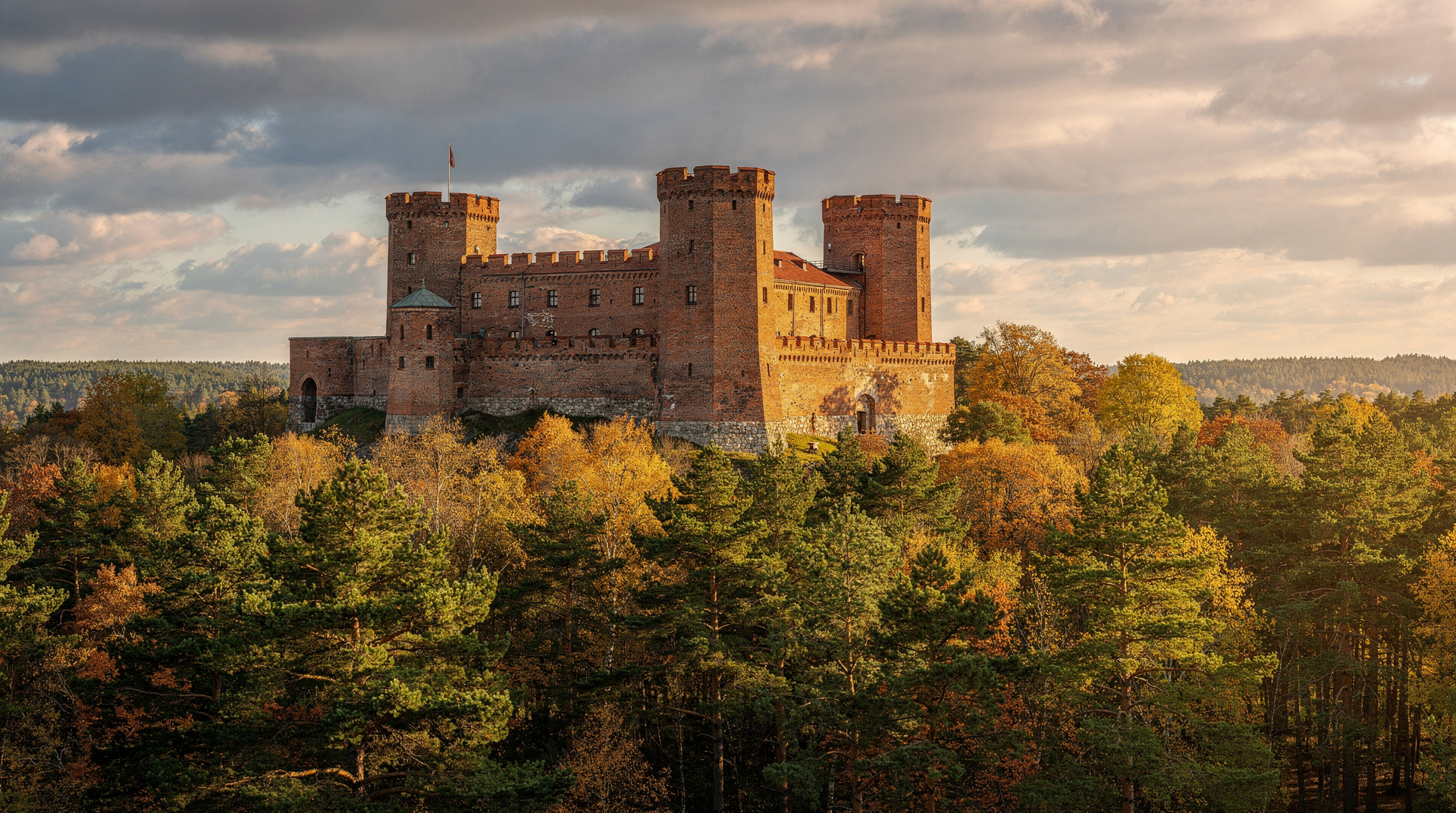
Cēsis is one of several Gauja valley options from Riga, and it is worth knowing how it compares before you commit a full day to it. Our dedicated Cēsis Castle visiting guide goes deeper on the castle itself — opening hours, the full New Castle museum content, and photography tips — if you want more detail than this day-trip overview covers. For a direct comparison with the more heavily marketed alternative, Sigulda vs Cēsis: which day trip from Riga breaks down the trade-offs in transport time, sights, and crowd levels.
If hiking and nature matter as much as the castle and town to you, the Gauja National Park visiting guide covers the valley trails that connect Cēsis to Sigulda on foot — a genuinely rewarding multi-hour option for visitors with a full day and good weather. And if you are still deciding between Riga’s many possible day trips, best day trips from Riga and best Latvia castle day trips compared both place Cēsis in the wider context of Rundāle, Jūrmala, Sigulda and Turaida.
For the train logistics specifically, Riga to Sigulda by train is a useful companion read even for a Cēsis-only trip, since the same Valmiera line serves both stations and the practical tips (buying tickets, platform numbers, timetable quirks) carry over directly.
| Day trip | Transport time (one way) | Main draw | Best for |
|---|---|---|---|
| Cēsis | ~2 hours by train | Candle-lit castle, intact medieval town | History and authenticity |
| Sigulda | ~1 hour by train | Ruins, cable car, adventure sports | Convenience, short time budget |
| Turaida | ~1 hour + local transfer | Photogenic red-brick castle | Photography |
| Sigulda + Cēsis + Turaida | Full day, tour or car | All three sites | One efficient day |
Honest tips
Cēsis is genuinely good. It is not talked about as much as Sigulda on the international travel circuit, partly because it has no dramatic adventure activities and no landmark as photogenic as Turaida Castle. But for cultural richness — medieval history, local urban character, good food and coffee, Gauja valley access — it is arguably more satisfying than Sigulda for a thoughtful traveller.
The candle tour is for everyone. Families with children especially love it — getting a real lit candle and being told to explore dark medieval ruins is more memorable than any guided commentary. The castle staff manage the experience well.
Train timing matters: Because the Valmiera line has fewer trains than the Jūrmala or Sigulda lines, check departure and return times before you go. A missed late train means a 2-hour wait or a taxi back to Riga at significant cost. Plan with a buffer.
Food is genuinely good: Cēsis has developed a small but quality food scene, driven partly by a young professional population that has chosen the town over Riga. The artisan bakeries and local cafe culture feel authentic rather than tourist-oriented.
Combine with Sigulda on a guided tour: If this is your only day in the Gauja region, the combined tour covering Sigulda, Cēsis and Turaida is the most efficient use of time — you see all three with a knowledgeable guide without the train logistics. The Cēsis, Sigulda and Turaida tour at €95 is fair value for a 10-hour day covering that much ground.
Frequently asked questions
Is the Cēsis Castle candle tour suitable for people with mobility issues?
The castle ruins involve uneven ground, narrow medieval doorways, and several steep staircases. The most dramatic sections (tower, cellar) are not accessible without climbing. The exterior grounds and New Castle museum are more accessible. Contact the castle in advance if accessibility is a concern.
What language does the Cēsis Castle tour operate in?
English guided tours of the castle are available at set times in summer (check board at entrance). Outside those times, the candle-lantern format is self-guided, with information panels in Latvian, Russian, and English. The New Castle museum has English labels.
Is there free Wi-Fi in Cēsis?
Yes, in the town centre area and most cafes. Signal is generally good.
What is the closest accommodation to Cēsis if you want to stay overnight?
The Cēsis Hotel (historic building in the old town centre) is the main option in town. Several guesthouses and rural B&Bs are available in the surrounding area. Staying overnight allows a much more relaxed pace and access to the Gauja valley in early morning light.
Frequently asked questions about Cēsis day trip from Riga
How do you get from Riga to Cēsis by train?
What is Cēsis Castle famous for?
How long should you spend in Cēsis?
Is Cēsis suitable for children?
Can you combine Cēsis and Sigulda in one day?
Top experiences
Bookable activities with verified prices and instant confirmation on GetYourGuide.