Cēsis Castle visiting guide
From Riga: Cēsis, Sigulda and Turaida Castle tour
Duration: 10 hours
- Hotel pickup
- Free cancellation
- Best seller
Is Cēsis Castle worth visiting?
Yes — Cēsis Castle is the most historically significant Livonian Order castle in Latvia and one of the most engaging to visit. The candle-lantern experience in the dark rooms is unique in the Baltics. Allow 2–2.5 hours. Entry €8. Reach Cēsis by train from Riga (2 hours, €5).
Cēsis Castle — the Livonian Order’s most powerful fortress
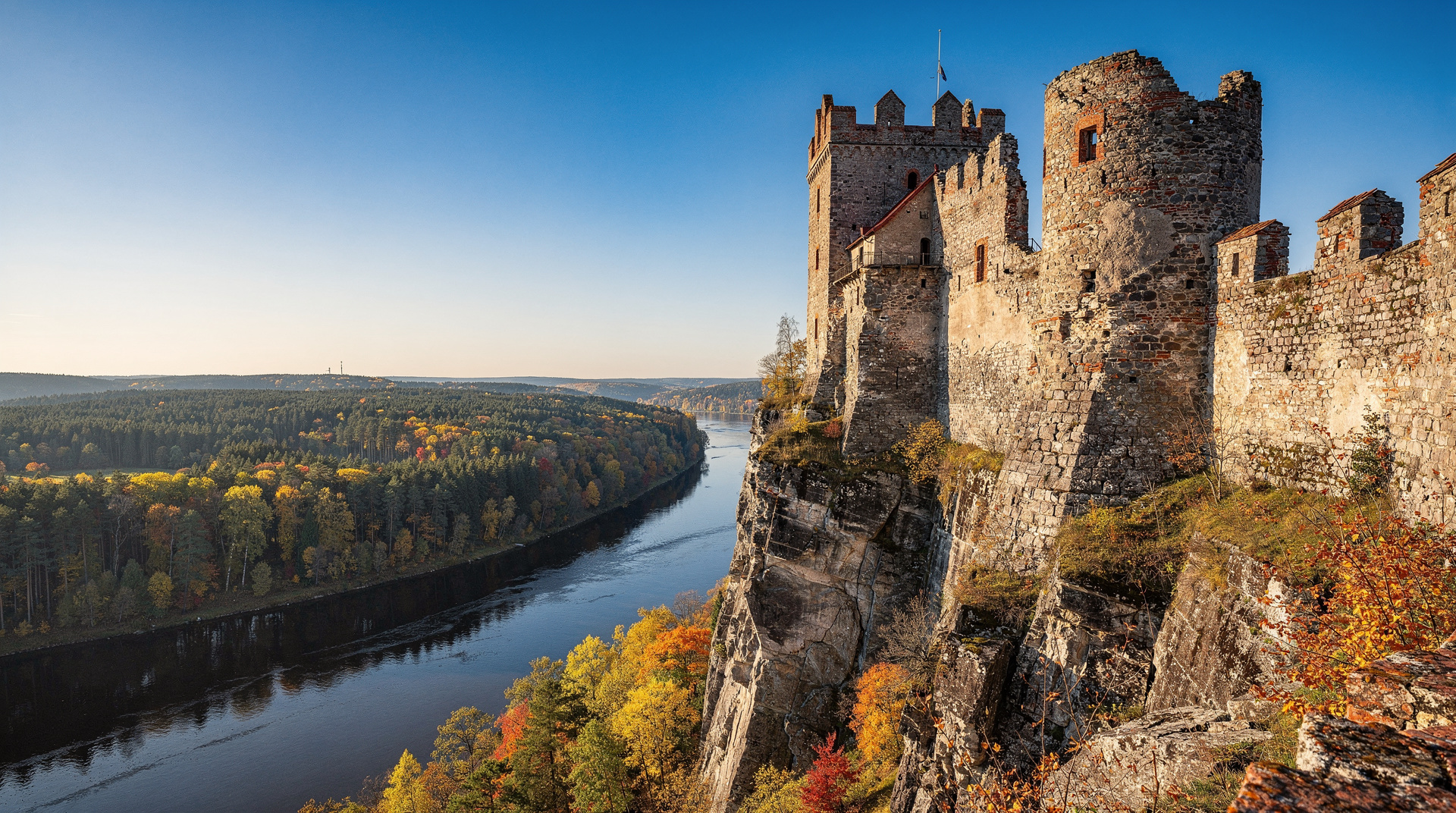
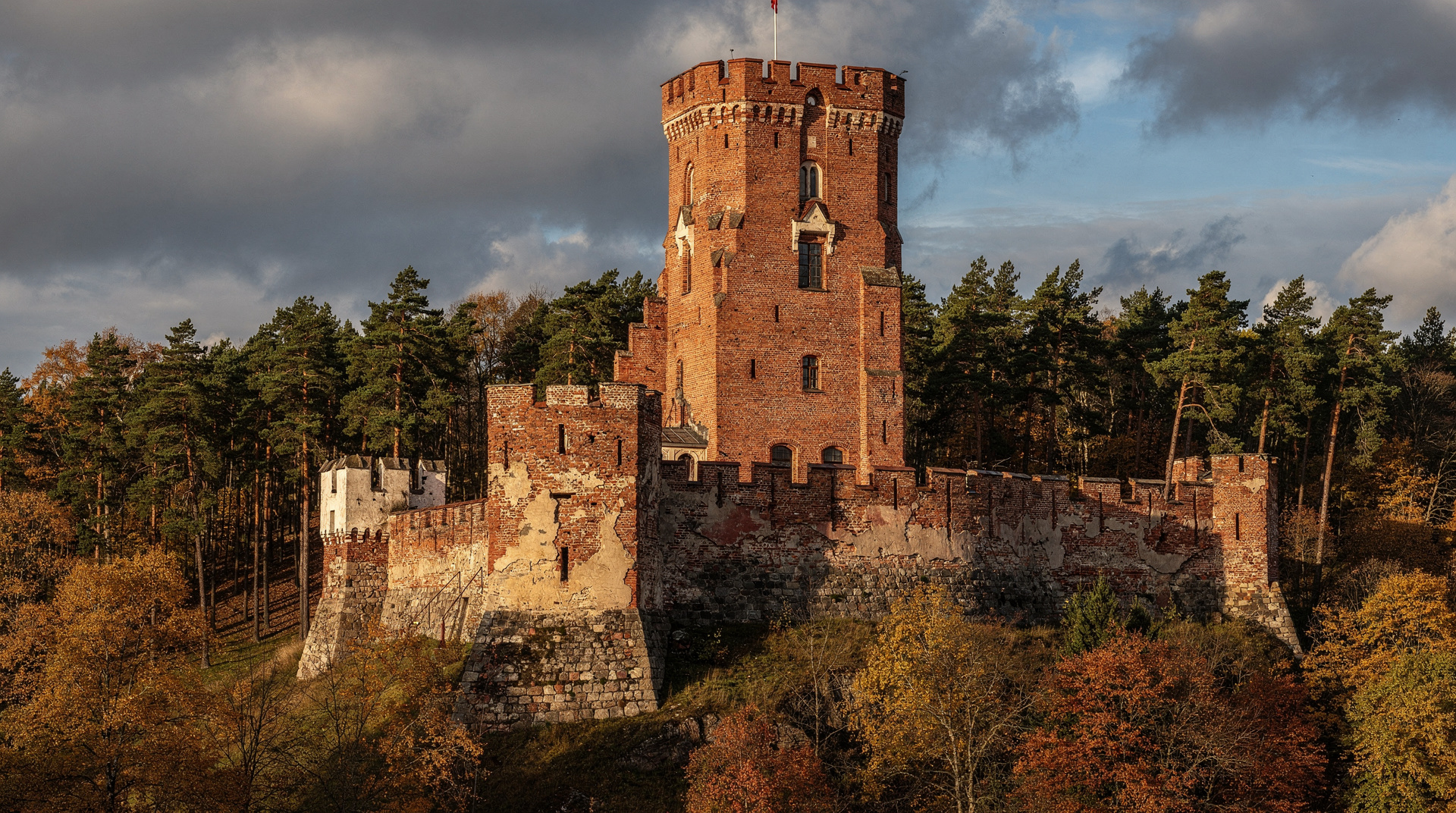
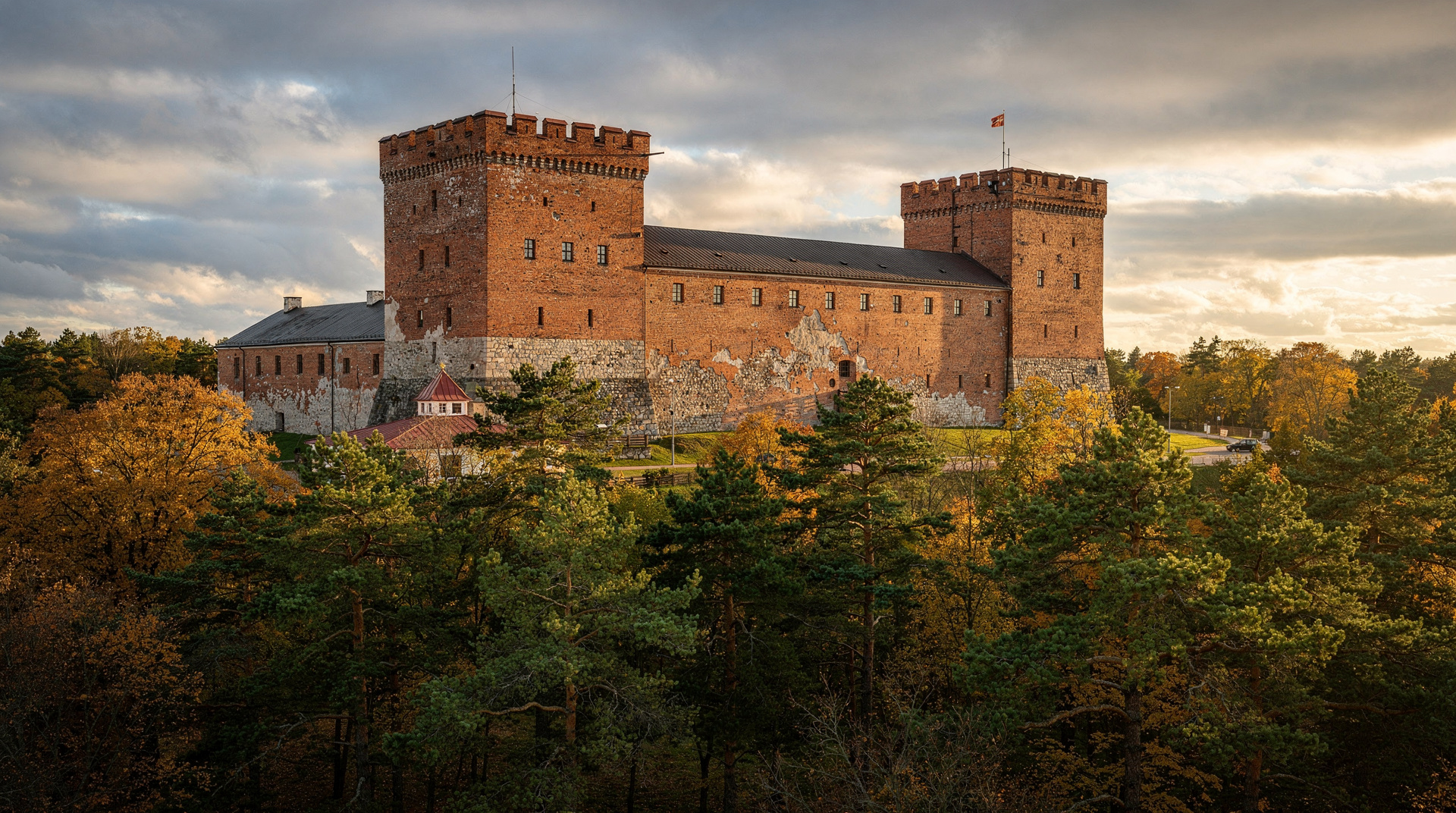
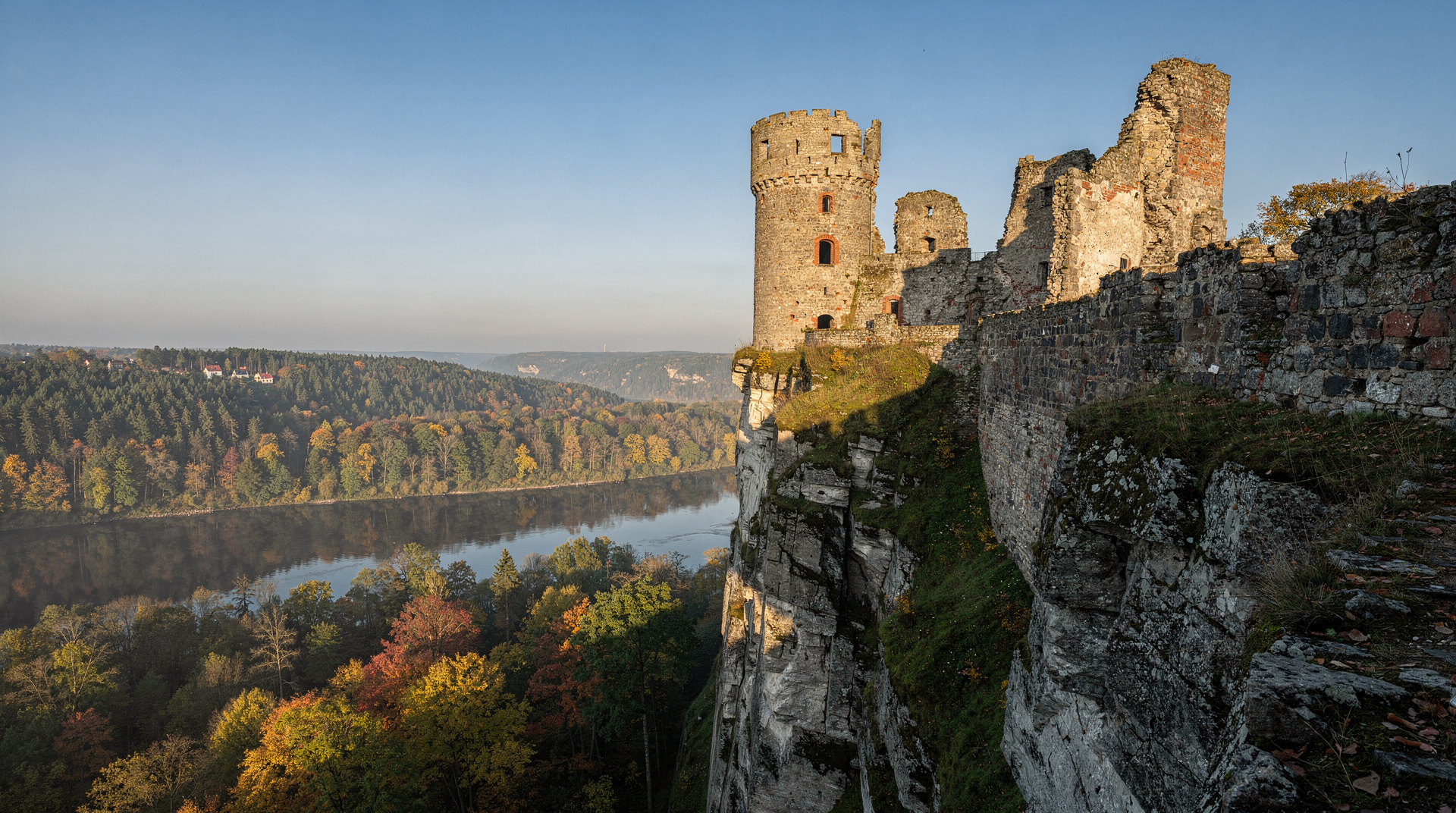
Cēsis (historical German name: Wenden) was for nearly 250 years the seat of the Master of the Livonian Order — the medieval military-religious organization that ruled much of modern Latvia and Estonia. This made Cēsis Castle the most politically significant castle in the Eastern Baltic for most of the 13th through 16th centuries, and that history is visible in the scale of what remains: even in its ruined state, the western tower of the original castle rises 34 meters, and the surviving walls form the most extensive medieval fortification complex in Latvia.
| Where | Cēsis, 90 km northeast of Riga |
| Cost | Entry €8 adults, candle lantern included |
| Time needed | 2–2.5 hours castle, 5–7 hours full day with the town |
| Getting there | Train from Riga, 2 hours, €5 |
| Best time | Weekday mornings, before the day-trip coaches from Riga |
What distinguishes Cēsis from Latvia’s other major castle sites — Turaida, Bauska, Sigulda — is the combination of genuine historical weight and the most engaging visitor experience of any Latvian castle. The candle-lantern system for exploring the dark rooms is not a gimmick; it is the most intelligent interpretive decision in Latvian heritage tourism. And the surrounding medieval town of Cēsis, which has retained more of its historical streetscape than any other Latvian town, makes the visit significantly more than just a castle tick.
The Old Castle — Livonian Order fortress
The original Cēsis Castle was begun in 1209 by the Sword Brethren (forerunner of the Livonian Order) and expanded continuously through the 15th century into the most formidable fortress complex in the Eastern Baltic. At its peak it comprised four towers, multiple interior courtyards, the Master’s residential wing, a chapel, and extensive storage facilities for the Order’s administrative center.
The castle’s defining moment is its fall. In 1577, as Russian Tsar Ivan IV’s forces besieged the castle, the Livonian Order knights sheltered in the powder magazine and detonated it rather than surrender — a mass suicide that killed approximately 300 people. The explosion destroyed much of the eastern wing and damaged the main tower. The castle was never fully rebuilt and fell into gradual ruin over the following centuries.
The western tower (the climbing tower): The best-preserved surviving structure, 34 meters high with a spiral stone staircase to the top. The upper levels are reached via the candle-lantern system — visitors navigate the dark upper rooms and staircase by the light of a single candle in a lantern. The experience is surprisingly affecting: the combination of physical darkness, medieval stonework, and the tiny pool of candlelight creates an environment that no electric-lit castle can replicate.
At the top, the panoramic view covers the Gauja valley, the Cēsis town square, and — in clear conditions — the distant ridge of Gauja National Park.
The surviving walls and ruins: The east wing ruins, several connecting wall sections, and the remnants of the round corner tower are accessible on a self-guided route through the castle grounds. English-language information panels explain what each surviving element was.
The New Castle and Cēsis History Museum
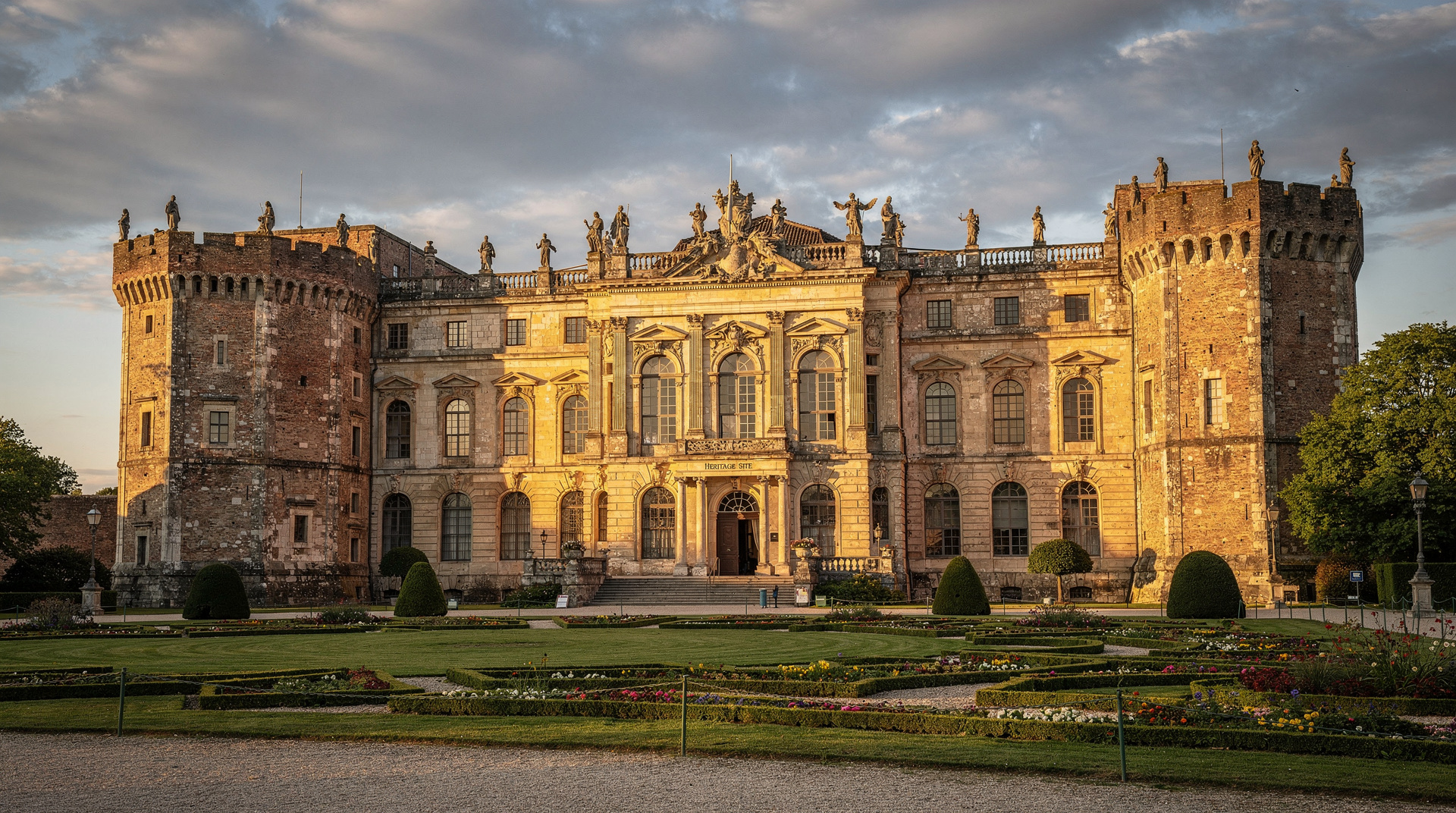
Built against the surviving walls of the old castle in 1777 by the Sievers family (Russian imperial governors of Livonia), the New Castle is a compact two-story manor house that now houses the Cēsis History and Art Museum. The museum covers:
- The archaeological history of the Cēsis area from prehistoric settlement through Livonian Order period
- The history of the medieval town, with original maps and documents
- Latvian medieval artifacts including jewelry, weaponry, and domestic items from the castle excavations
- A gallery of 19th–20th century Latvian landscape painting (particularly strong for the Gauja valley)
The museum is genuinely good — better curated than most Latvian provincial museums — and provides context that significantly enhances the castle visit.
Cēsis Old Town — worth 2 hours
The area around Cēsis castle, within a 500 m radius of the main square, is one of the best-preserved medieval town centers in the Baltic states. The layout follows the medieval street pattern established in the 13th–14th centuries, and many buildings retain their historical facades or period architectural elements.
Vienības laukums (Unity Square): The main square is lined with 18th–19th century buildings on a medieval plot pattern. The Lutheran Church of St John (St. Jānis), built in the 14th century and expanded through the 17th, dominates the north side. The clock tower is the Old Town’s visual landmark.
Medieval street network: The alleyways between the square and the castle walls follow 700-year-old routes. Walking this area in the early morning, before the day-trip coaches arrive from Riga, is one of the genuinely special experiences available in Latvia.
Cēsis town as film location: Cēsis Old Town has been used extensively as a film set for medieval and historical productions, which is evidence of how intact the historical character remains.
Getting to Cēsis
By train: Pasažieru Vilciens from Riga Central Station to Cēsis. The journey takes approximately 2 hours with a stop at Sigulda (change at Sigulda for some trains — verify the current timetable). Price €5 each way. The castle is 10 minutes’ walk from the station.
By organized tour from Riga:
From Riga: Cēsis, Sigulda and Turaida Castle group tour — €95, 10 hoursThe organized group tour covers Cēsis, Sigulda ruins, and Turaida Castle in a single well-paced day. This is the recommended option for visitors who want to cover the full Gauja valley castle circuit without managing train logistics between three sites.
Cēsis: medieval heritage and natural treasures local tour — €48, 3 hoursA shorter local tour operating from Cēsis itself, worth booking if you travel independently by train and want guided context for the castle and town.
Honest assessment: Cēsis vs. other Latvian castles
Cēsis is the most historically significant and arguably the most engaging castle in Latvia. The candle-lantern system for the dark rooms is genuinely unusual; the Old Town surrounding the castle is the most intact medieval urban environment in Latvia; and the historical weight — the Livonian Order’s administrative center for 250 years — gives the site a resonance that Turaida (important but more aesthetically than historically) and Bauska (excellent but smaller scale) cannot match.
If you have time for one castle day trip from Riga, Cēsis is the intellectually richer choice. If you have time for two, Cēsis plus Turaida (combined in a single organized tour) gives the complete picture. If you are castle-focused, the best Latvia castle day trips compared guide walks through the full options.
Practical information
Opening hours: May–September 10:00–20:00 daily. October 10:00–18:00 daily. November–April 10:00–17:00, closed Mondays.
Entry: Adults €8, students/seniors €6, children (7–18) €4. Under 7 free. The candle lantern is included in the entry price (collected at the tower entrance).
Duration: 2–2.5 hours for castle and museum, plus 1.5–2 hours for the Old Town walk.
On-site: Café in the New Castle courtyard (open May–September). Restaurant options on Vienības laukums (the main square), 5 minutes’ walk.
Cēsis town — essential walking beyond the castle
The area within 500 m of the castle is worth a substantial part of the day. Cēsis is considered by many Latvians to be the country’s most beautiful medieval town, and the compliment is not exaggerated.
Vienības laukums (Unity Square): The main square is the architectural and social heart of Cēsis. The Lutheran Church of St John (Sv. Jāņa baznīca) on the north side was built in the 14th century and remains the dominant structure. Walk around the square perimeter and examine the 18th–19th century facades — each has a slightly different interpretation of the baroque-to-classical transition in Latvian provincial architecture.
The castle garden: The garden between the New Castle and the old walls, accessible from the museum grounds, has a formal layout with old linden trees and seasonal planting. In summer, it is used for outdoor concerts and events. The views of the castle ruins from the garden level are among the best available.
Medieval street network: The streets immediately around the castle — Lencu iela, Skolas iela, Maija iela — follow 700-year-old property boundaries. Walking slowly through this area with the awareness of the medieval urban structure beneath the modern surfaces produces a specific historical sensation that indoor exhibits cannot provide.
Cēsis craft beer scene
Cēsis is a craft beer destination in its own right, not just a castle visit. The city’s brewing tradition dates to the medieval period (the Livonian Order maintained brewing operations for its garrisons), and the contemporary craft beer revival has been stronger here than in many Latvian cities.
Cēsis Alus (Cēsis Beer): The city’s commercial brewery, located on Raunas iela, produces the nationally distributed Cēsis brand and also maintains a brewery taproom with a more experimental range. Tours of the brewery are available by advance arrangement.
Kolonna Hotel bar: The most atmospheric bar in Cēsis, in the basement of the Kolonna Hotel, occupies original medieval cellar vaults beneath the Old Town. The selection includes Cēsis craft beers alongside Latvian and Estonian options. Excellent charcuterie board.
The Cēsis–Sigulda train connection
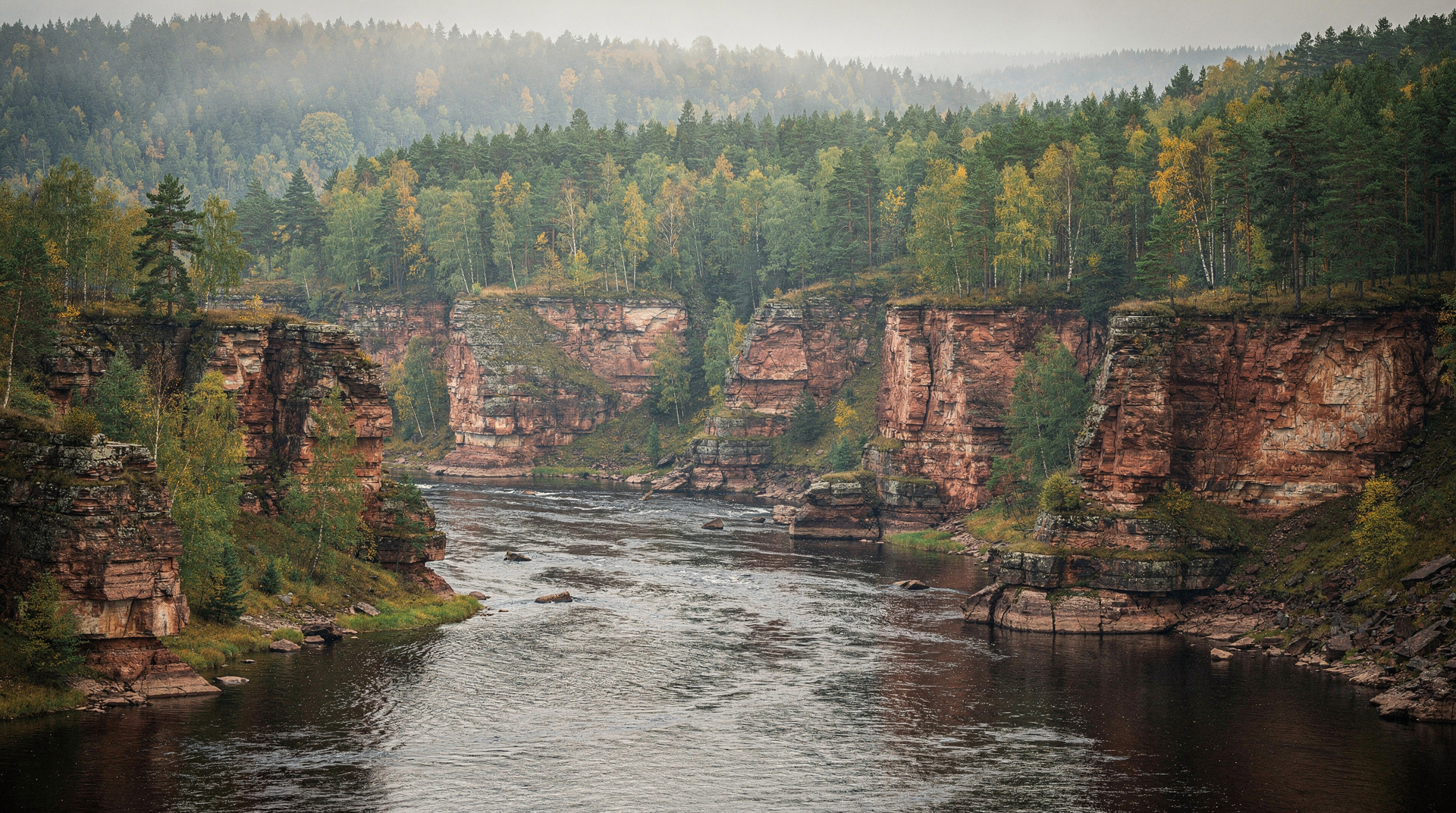
For visitors combining Cēsis with Sigulda in a single day (a long but very rewarding itinerary), the Pasažieru Vilciens train between the two towns runs several times daily and takes approximately 30 minutes. The train follows the Gauja valley floor through the national park — the view from the train window includes several sandstone cliff faces and river meanders that are inaccessible by trail. This is a genuinely scenic 30-minute train journey in its own right.
The practical combination: Riga → Cēsis by train (2 hours, €5), visit Cēsis Castle and Old Town (3 hours), train to Sigulda (30 min, €2.50), visit Sigulda ruins and valley (2.5 hours), train back to Riga (1 hour, €3). A long day (10–11 hours), but the most comprehensive castle experience available from Riga without a car.
Photography at Cēsis Castle
The most photogenic elements of the Cēsis site:
The western tower exterior: Best shot from the northeast, where the circular tower silhouettes against the sky and the surviving wall sections frame the image. Late afternoon light falls on the red-brick face most favorably.
The candle-lantern rooms: The dark rooms with candle-lantern light create unusual photography opportunities — the interplay of candlelight on medieval stonework is impossible to replicate artificially. Use a tripod or brace against a wall; slow shutter speeds (1/8–1/30s) are needed to capture the candle-lit surfaces without flash.
The Dainas Kalns from above: If the museum’s upper floor is accessible, the view down into the castle ruins from the New Castle windows provides a documentary aerial angle unavailable from the grounds.
Cēsis church tower: The Lutheran Church tower (access through the church office, small fee) offers the best elevated view of the Old Town and the castle complex from outside the castle grounds.
Cēsis vs Latvia’s other major castles
| Castle | Historical weight | Visitor experience | Entry | Best for |
|---|---|---|---|---|
| Cēsis | Livonian Order HQ, 250 years | Candle-lit tower, best-preserved town | €8 | History depth |
| Turaida | Archbishop’s residence | Most photogenic, restored red-brick towers | €8 | Photography, families |
| Sigulda | Livonian Order outpost | Compact ruins, easiest access from Riga | €4 | Short visits, tight schedules |
| Bauska | Livonian/Duchy transition | Well-preserved, combined with Rundāle Palace | €6 | Pairing with Rundāle |
If you can only fit one castle into your trip, the choice comes down to what you value: Cēsis for the fullest historical story and the candle experience, Turaida for the best photographs, Sigulda for convenience on a tight schedule. The best Latvia castle day trips compared guide walks through all the combinations in more depth, and the budget guide has the wider cost context for planning a multi-site day.
Combining Cēsis with the rest of your trip
Cēsis works well as a standalone day, but it also anchors a wider Gauja valley trip. For visitors with a car or more time, the Gauja National Park visiting guide covers the hiking routes between Cēsis and Sigulda that pass through the most dramatic sandstone sections of the valley. For a narrower, faster version of this same day, our Cēsis day trip from Riga guide sets out a tighter train-based itinerary focused on the town and castle alone. And if you are weighing Cēsis against Sigulda specifically, Sigulda vs Cēsis: which day trip from Riga breaks down the trade-offs directly.
Practical combination guide
| Combination | Duration | Transport | Cost (entries + transport) |
|---|---|---|---|
| Cēsis only (train) | 6 hours | Train 2h each way | €15–18 |
| Cēsis + Sigulda (train) | 10 hours | Train both legs | €22–28 |
| Cēsis + Sigulda + Turaida (organized tour) | 10 hours | Tour minibus | €95 |
| Cēsis overnight | 18 hours | Train each way | €25–40 + accommodation |
The organized tour is the easiest option for visiting all three Gauja valley sites. For those who prefer independence and have a full day, the train circuit combining Cēsis and Sigulda is the most cost-effective approach.