Riga to Sigulda by train: the day trip guide
Sigulda: summer bobsleigh adventure on the Olympic track
Duration: 5 hours
- Hotel pickup
- Best seller
How do I get from Riga to Sigulda by train?
The Pasažieru Vilciens train from Riga Central Station to Sigulda takes approximately 1 hour and costs under €4 single. Trains run roughly hourly. Buy the ticket at the yellow machines at Riga Central Station — no advance online booking required. It is one of the best day trips in Latvia.
| Cost | €3 single by train |
| Time | About 1 hour from Riga Central Station |
| Frequency | Roughly hourly |
| Highlights | Castle ruins, Turaida, Gūtmaņala cave, summer bobsleigh |
| Best time | April–September for bobsleigh; October for autumn colour |
Why Sigulda is the best day trip from Riga
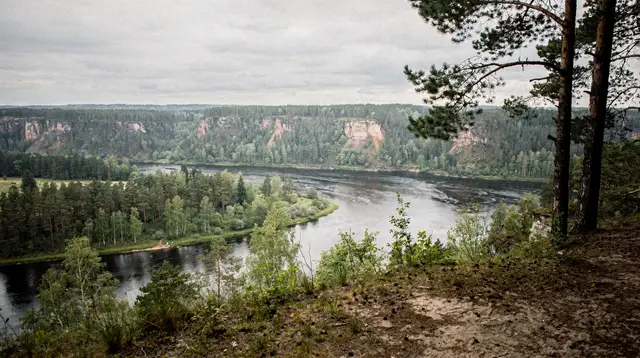
Sigulda sits where the Gauja River has carved a spectacular valley 50 metres deep through sandstone. On the valley walls you find medieval castle ruins, a 15th-century castle that is one of Latvia’s most complete (Turaida), the Gūtmaņala cave with its centuries of inscriptions, and forests that turn to fire in autumn.
The day trip works on multiple levels. For history enthusiasts: Sigulda was a Livonian Order stronghold and the layered medieval history is rich. For outdoor lovers: Gauja National Park has excellent hiking trails, including the main trail along the valley floor. For adrenaline seekers: the Olympic bobsleigh track offers summer rides that most people never forget. For photographers: the viewpoints from the ruins over the forested valley are among the most dramatic in the Baltics.
And the access is exceptional: under €4 and 1 hour by train from Riga Central Station. If you’d rather build a whole multi-day trip around it, our 4 days with Sigulda itinerary shows how it fits alongside Riga’s core sights.
If you want the full picture of the place before you go, our Sigulda destination page and the broader Sigulda and Gauja day trip guide cover what the train guide here deliberately leaves out, while the Gauja National Park destination page explains the wider protected area around the town.
The train journey: practical details
From Riga Central Station
The Pasažieru Vilciens service to Sigulda departs from the same station as Jūrmala trains. Sigulda is on the Cēsis/Valmiera direction (not the Tukums/Jūrmala direction). Check the departure boards — “Cēsis,” “Valmiera,” or “Sigulda” will be shown as the destination.
Schedule: trains depart approximately hourly. First service around 6:30am (very useful for maximising a full day trip), regular services through the day until early evening. The last train back from Sigulda to Riga typically departs around 10pm — check the return schedule at vivi.lv before your trip.
Buying tickets: at the yellow vending machines in Riga Central Station (English language option available, card and cash accepted). Zone 3 ticket to Sigulda: €3.00. Keep the ticket for inspection.
The journey: once past the outer suburbs (about 20 minutes), the train enters pleasant agricultural countryside and then forest. Sigulda station is announced before arrival. The journey is entirely flat — Latvia is among the flattest countries in Europe.
Sigulda station: a small, functional station about 1.5 km from the Old Sigulda Castle ruins. Taxis and tourist minibuses wait at the station in peak season. Walking to the main attractions takes 15–25 minutes, depending on destination.
If you are still deciding how to move around Latvia more generally, Riga’s public transport tickets and rules is a useful companion, and car rental in Riga: do you need one explains why a train day like this one usually makes a car unnecessary. A similar rail-based outing in the other direction is described in Riga to Jūrmala by train, bus and bike.
What to see and do in Sigulda
Sigulda Old Castle ruins (Siguldas Pilsdrupas)
The ruins of the Livonian Order castle (built 1207) sit on the rim of the Gauja valley with excellent views across the forested gorge. The ruins themselves are partially accessible — the main tower can sometimes be climbed for panoramic views. The adjacent New Sigulda Castle (19th century, now a government sanatorium) has an interesting exterior.
Admission to the ruins: €2.50 for adults (€2 for pupils, students and seniors).
Turaida Castle and Museum Reserve
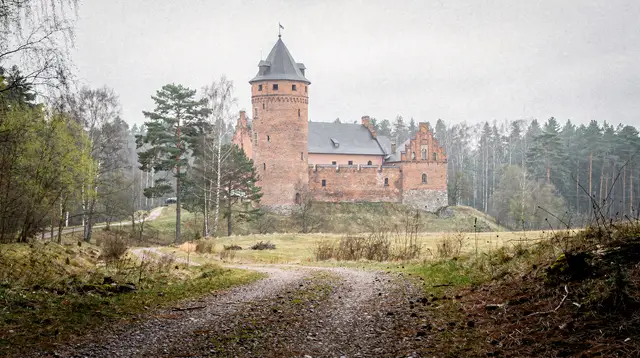
A 15–20 minute walk from the valley floor (or you can take a taxi), Turaida Castle is a 13th-century red brick castle in remarkable condition. The museum reserve includes:
- The main castle tower with valley views
- The Turaida rose garden (famous for the local legend of Maija Turaidas Rose)
- A collection of historic Latvian log buildings relocated from the surrounding area
- Well-maintained grounds and paths through ancient linden trees
Admission: approximately €4–5 adults. Worth it for the castle tower views alone.
Gūtmaņala cave
The largest cave in the Baltic states — not large by cave standards (35 metres deep, 19 metres wide), but historically extraordinary. The sandstone walls are covered in inscriptions going back to the 17th century, left by visitors over the centuries: names, dates, coats of arms, proclamations of love. An open book of human history carved in soft stone.
The cave is a short walk down into the valley from the main tourist area. Free to enter.
Gauja National Park hiking trails
The main valley trail connecting Sigulda to Krimulda and Turaida along the Gauja River is one of Latvia’s best hiking routes. The full trail is several hours; a section of it (Sigulda to Gūtmaņala cave and Turaida: approximately 6 km round trip) makes an excellent half-day walk through the valley floor.
Cable car (Gaisa vagoniņš)
A small cable car crosses the Gauja valley between Sigulda and Krimulda on the opposite bank. Running: approximately April through October. The crossing takes about 7 minutes and provides excellent valley views. Taking it one way and returning via the valley trail is a good circuit.
Each of these stops has its own deeper write-up if you want to plan one in detail: Sigulda’s medieval castle ruins and New Castle, the Turaida Castle visiting guide and the Sigulda hiking trails and Gūtmaņala cave guide. Turaida also has its own destination page if you want the surrounding context. Read them the evening before and you will spend less of the day deciding where to go next, and more of it actually looking at things.
The summer bobsleigh track
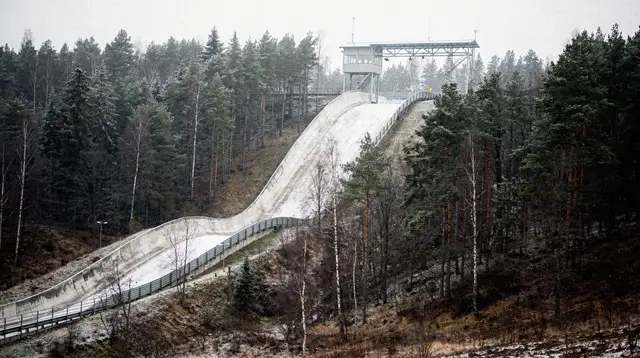
The Sigulda bobsleigh and luge track is an Olympic-grade facility — it hosted World Cup events and the infrastructure is real. In summer (April–September), public rides on summer bobsleigh (open wheels) are available.
The experience: you board a wheeled car at the top of the track and descend 1,600 metres of concrete channel, taking banked corners at speeds up to 80–85 km/h. Safety equipment provided. Age/weight restrictions apply (typically 40–120 kg, minimum 7 years old with parental accompaniment).
Booking in advance is strongly recommended for peak summer weekends — the track has limited capacity per hour and slots fill. The summer bobsleigh adventure includes hotel pickup and transport from Riga if you prefer not to navigate the train independently. For those comfortable with the train, you can also book the bobsleigh track experience separately at the facility.
For the full story of the track in both seasons, see Sigulda bobsleigh: summer and winter experience. Anyone who wants a second thrill on the same trip can also look at the Aerodium wind tunnel experience in Sigulda, though it makes for a very full day if combined with the castles and the valley walk.
Organised day trips vs. independent train visit
Going independently (train): €3 each way, complete flexibility to manage your own time. Best for travellers comfortable with self-navigation who want a full day exploring at their own pace. No guide commentary.
Organised day tour: higher cost than the train, but it takes the logistics off your hands. Better if you are travelling with people who prefer not to navigate independently. The shared day trip from Riga to Sigulda is one option. The Cēsis, Sigulda and Turaida combined tour extends to Cēsis for a full regional experience.
Whichever route you choose, the choice mostly comes down to how much you value flexibility against convenience. Our self-guided vs guided tours in Riga comparison walks through that trade-off in more general terms, and it applies just as well outside the city.
Suggested day trip itinerary (independent by train)
7:30am: depart Riga Central Station (first trains around 6:30–7:30am — check exact times)
8:45–9:00am: arrive Sigulda station. Walk or taxi to castle ruins area.
9:00–11:00am: explore Old Castle ruins and valley viewpoints. Walk down into the Gauja valley via the riverside path.
11:00am–12:30pm: walk to Gūtmaņala cave (30 minutes from ruins). Explore cave and inscriptions. Continue 20 minutes uphill to Turaida.
12:30–14:30pm: Turaida Castle and Museum Reserve. Lunch at the restaurant near Turaida or bring a picnic.
14:30–15:30pm: optional: cable car ride back across the valley, or return walk.
15:30–17:00pm: summer bobsleigh track (if booked in advance and that is your interest), or continue walking the valley trail.
17:30–18:00pm: return to Sigulda station. Train back to Riga.
Arrive Riga: approximately 19:00–19:30pm. Dinner in the city.
Treat the timings above as a skeleton rather than a contract. If the weather turns, shorten the valley walk and spend longer at the castles; if it is a clear day, let the walking stretch. A day that follows the light and your energy usually works better than one that follows the clock. If your time in Latvia is longer, the Riga 4 days with Sigulda itinerary and the Riga 5 days with day trips itinerary show where this day can slot in, and Riga day trips ranked after 7 visits gives a first-hand view of how it compares.
Sigulda in autumn: the special case for October visits
If you are visiting Latvia in September–October, arrange your Sigulda day trip for mid-October rather than skipping it because of cooler weather. The Gauja valley in October colour is legitimately breathtaking — deciduous forest covering steep sandstone valley walls in gold, amber, and rust, with the Gauja River visible through the bare branches of lower trees.
Morning fog that sometimes sits in the valley (burning off by 10am) creates an atmospheric, slightly mystical quality. October weekend trains can be busy with Latvians specifically going for the autumn viewing — which itself is a cultural signal of how special this season is.
For more on timing the shoulder months, see Riga in spring and autumn: the shoulder season, and for first-hand impressions of the valley on foot, Gauja National Park: 3 hikes tested in summer.
What to bring and wear
Comfortable walking shoes are essential — the valley trails involve some uneven ground and a reasonable amount of walking between sites (expect 6–10 km total if you cover the ruins, cave, and Turaida on foot). Bring water and snacks; options at the sites themselves are limited outside the restaurant near Turaida. If you’ve booked the summer bobsleigh, wear closed shoes and clothes you don’t mind getting slightly dusty from the track. A light rain jacket is worth packing regardless of forecast — valley microclimates can produce brief showers even on an otherwise clear day. In autumn, layers matter more: mornings can be genuinely cold before the sun clears the valley fog.
Extending the trip: Cēsis and beyond
If you want more than a single day-trip destination, Sigulda combines well with Cēsis (30 minutes further by train) for a fuller medieval-Latvia day — see our Sigulda vs Cēsis comparison if you’re deciding between the two rather than combining them. For a wider view of how Sigulda stacks up against Riga’s other day trips, our best day trips from Riga guide ranks the options by effort and payoff, and Riga’s weather month by month helps you time an outdoor-heavy day like this one correctly.
Travellers building a longer Latvia itinerary around castles and nature should also look at our best Latvia castle day trips compared, which places Sigulda’s Turaida and Old Castle ruins alongside Bauska and Cēsis.
Frequently asked questions about Riga to Sigulda
Can children do the summer bobsleigh?
Yes, from age 6 when riding with an adult. Check lnsc.lv for the current rules.
Is there a direct bus from Riga to Sigulda?
Yes — Rīgas Satiksme bus routes connect Riga to Sigulda, but the journey is longer (90 minutes+) and less convenient than the train. For day trips, the train is the clear choice.
What are the opening hours for Turaida Castle?
1 May–30 September: 9am–8pm. October: 9am–7pm. April: 10am–6pm. November–March: 10am–5pm. Open daily with no weekly closing day. Adult ticket €9. Check the official Turaida Museum Reserve website before planning your visit.
Can I visit Sigulda in winter?
Yes. Winter Sigulda has a different character — snow on castle ruins, ice on the Gauja, and the Olympic bobsleigh track running real ice events (spectator viewing is possible). The summer bobsleigh does not operate in winter. The town is quiet and atmospheric.
What is in Cēsis and is it worth combining with Sigulda?
Cēsis is a beautifully preserved medieval town with its own castle ruins, cobblestone streets, and a strong café and local restaurant scene. The train from Sigulda to Cēsis takes 30 minutes and costs an additional €1.50. Combining both makes for an excellent full-day trip for history and architecture lovers.
Top experiences
Bookable activities with verified prices and instant confirmation on GetYourGuide.
Photos show the place, not the operator’s tour.