5 days in Riga: deep dive into culture, Soviet history and Jewish heritage
Riga: 3-hour Soviet history walking tour
Duration: 3 hours
- Free cancellation
- Best seller
Why this is the itinerary for culture lovers
Five days in Riga with a focus on history and culture produces one of the richest urban experiences in Europe — and one of the least crowded. While other Eastern European capitals are overwhelmed with tourists, Riga’s Soviet history circuit, Jewish heritage sites, and Art Nouveau architecture are genuinely undervisited by international travellers. This itinerary covers all the layers: medieval Hanseatic city, Tsarist-era boom town, occupied capital, and post-Soviet Baltic success story.
This is the itinerary for people who want to understand a city, not just photograph it. You will spend serious time in museums (the Occupation Museum and the Latvian War Museum are both excellent), walk the Corner House (former KGB headquarters) district, and take the Jewish heritage half-day tour through Maskavas Forštate. It is not a cheerful itinerary, but it is a rewarding one — Riga’s 20th-century history is among the most dramatic of any European capital.
Total estimated budget, 2 people, 5 days: €950–1200. Per person: €475–600.
Trip essentials at a glance
| Where | Old Town, Art Nouveau district, Soviet-history sites, Maskavas Forštate |
| Cost | around €815 per person for 5 days |
| Time needed | 5 days, 4 nights |
| Getting there | Bus 22 from RIX, €1.50 |
| Best time | May, June or September — spread heavy days across the week |
At a glance
- Day 1: Old Town — guided walk, Blackheads, canal cruise, Black Balsam
- Day 2: Art Nouveau district, Quiet Center, Occupation Museum
- Day 3: Soviet history walking tour, Corner House, Academy of Sciences viewpoint
- Day 4: Jewish heritage half-day tour, Central Market, Maskavas Forštate
- Day 5: Free time, Latvian Ethnographic Museum, departure
Day-by-day summary
| Day | Focus | Highlights | Approx. cost |
|---|---|---|---|
| Day 1 | Old Town | Blackheads, guided walk, canal cruise | €160 pp |
| Day 2 | Art Nouveau + Occupation Museum | Alberta iela, National Museum of Art | €160 pp |
| Day 3 | Soviet Riga | Corner House, War Museum, Academy of Sciences | €165 pp |
| Day 4 | Jewish heritage + market | Ghetto Museum, Central Market food tour | €165 pp |
| Day 5 | Departure | Ethnographic Museum or free time | €165 pp |
Budget breakdown (real EUR, per person)
| Item | Cost |
|---|---|
| Hotel mid-range (4 nights) | €110/night × 4 = €440 |
| Airport bus 22 (return) | €3 |
| Old Town guided tour | €22 |
| Blackheads ticket | €7 |
| Canal cruise | €18 |
| Art Nouveau tour | €22 |
| Soviet history tour | €25 |
| Jewish heritage half-day tour | €55 |
| Central Market food tour | €43 |
| Occupation Museum (donation) | €5 |
| Meals (€35/day × 5) | €175 |
| TOTAL per person | €815 |
USD approx $890. GBP approx £700.
Day 1: Old Town immersion
Morning (9:00–13:00)
9:00 — Bus 22 from RIX (€1.50). Coffee at Innocent café (Audēju iela). Pre-booked House of the Blackheads entrance ticket (€7, skip the queue). Allow 45 minutes inside. Then Town Hall Square, Three Brothers (exterior), Cat House, Swedish Gate.
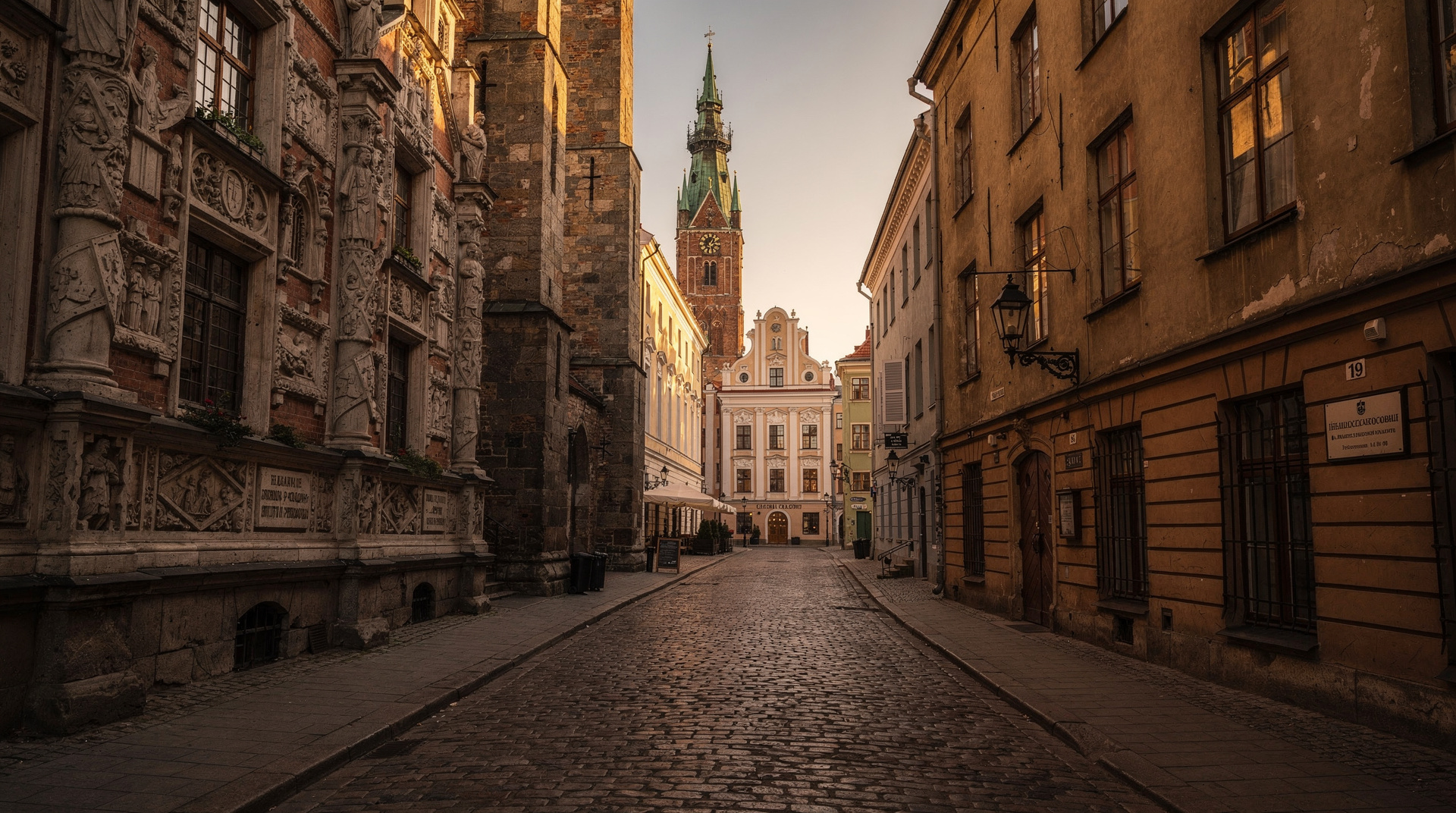
11:00 — Guided Old Town walking tour. The guided Old Town walking tour (€22, 2 hours) covers the full historic circuit with the Hanseatic and Soviet context you need to understand everything you will see over the next four days.
Afternoon (14:00–17:30)
Dome Cathedral interior (€3 entry), afternoon canal and Daugava wooden boat cruise (€18, 1 hour), St. Peter’s Church viewing platform (€9).
Evening
Riga Black Magic Bar (Meistaru iela 9, Black Balsam cocktail €8) for an atmospheric first evening aperitif. Dinner at Folkklubs Ala Pagrabs (mains €11–18, traditional Latvian folk music pub).
Day 2: Art Nouveau and Occupation Museum
Morning (9:00–12:00)
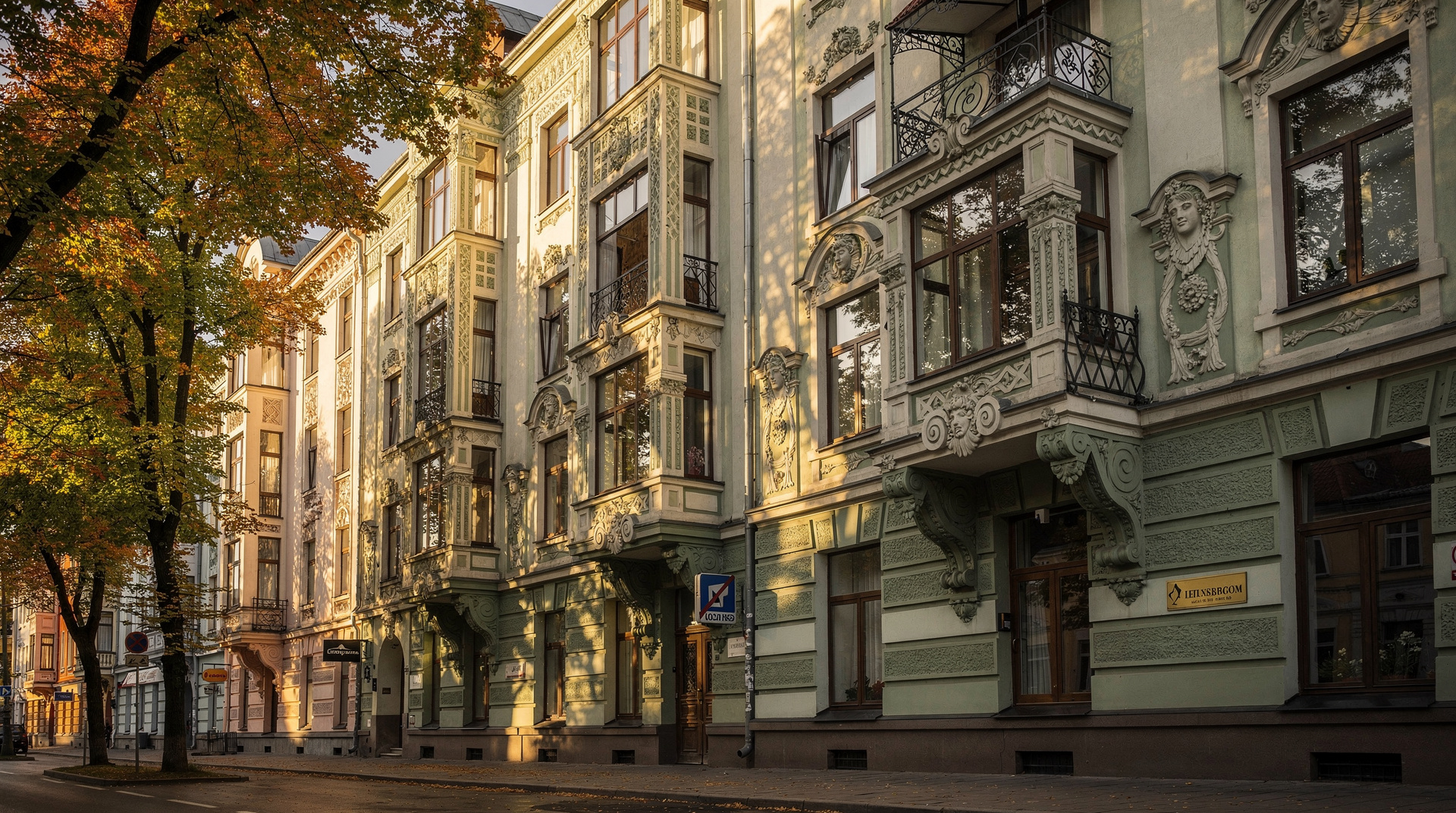
Tram 11 to Alberta iela. Art Nouveau history walking tour (€22, 2 hours, meets at Alberta iela). This covers the three phases of Riga Art Nouveau — Eclectic, Perpendicular, and National Romantic — with the political context of why 1900–1914 Riga was the most prosperous city in the Russian Empire and responded with the world’s most remarkable architectural explosion.
Art Nouveau Museum at Alberta iela 12 (€8, closed Monday) — preserved 1903 apartment interior, 45 minutes.
Lunch
Miera iela — Rocket Bean Roastery (€8–14) or Lauku Pirtiņa (traditional Latvian, €10–16).
Afternoon (14:00–18:00)
14:00 — Museum of the Occupation of Latvia. Free entry (donation appreciated). This is the essential Riga museum — a serious, detailed account of the Soviet and Nazi occupations 1940–1991. Personal testimonies, deportation maps, replica prison cell, the photographs of the deportations. Allow 2 full hours. Deeply affecting.
16:30 — National Museum of Art. Brīvības bulvāris 32 (€6, closed Monday). Latvian and Baltic art from the 19th century through the Soviet period. The National Romantic paintings — Latvian peasant landscapes done during the National Awakening period of the 1880s–1900s — provide important context for understanding why Latvians are so attached to their landscape and cultural identity.
Evening
Dinner at Bibliotēka No1 (Tērbatas iela 2, mains €20–30, modern Latvian, reservation essential). Or Vairāk Saules (Dzirnavu iela 60) if you prefer more casual.
Day 3: Soviet Riga
Morning (9:00–12:30)
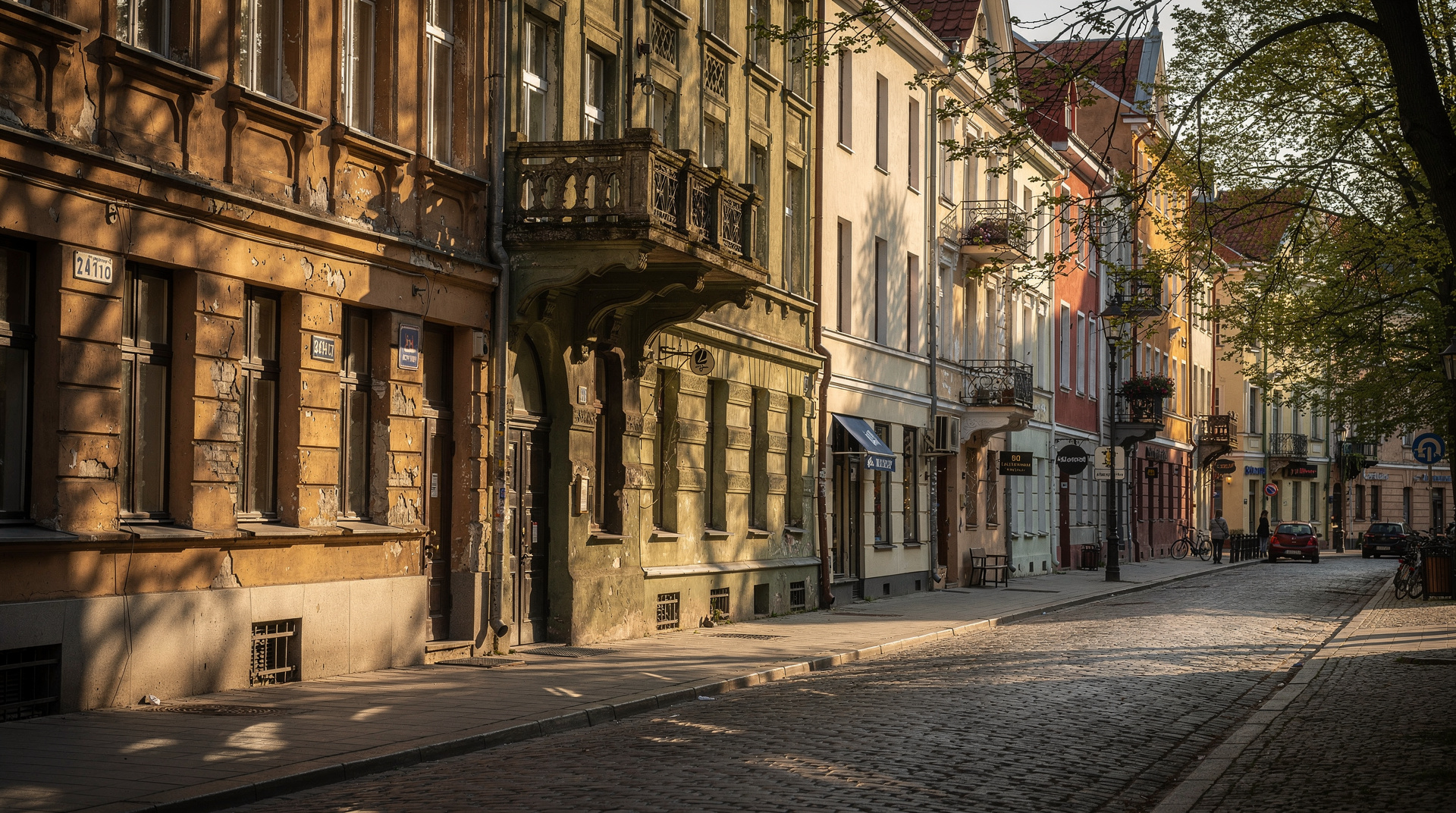
9:00 — Soviet history walking tour. The Soviet history walking tour (€25, 3 hours) is a deep dive into the Soviet period in Riga — the occupation of 1940, the German occupation 1941–44, the second Soviet occupation 1944–91, and the Singing Revolution. The tour covers the Corner House (former KGB headquarters), the Occupation Museum (exterior and context), the Academy of Sciences, Soviet apartment blocks, and the Freedom Monument in its post-Soviet context. One of the best structured history tours in the Baltics.
12:00 — Corner House (Stūra māja). The former KGB headquarters building at the corner of Brīvības and Stabu iela. The guided tour of the interrogation rooms and prison cells is available (book in advance, €10, runs Fridays–Sundays). If not available, the exterior is significant — the building looks entirely banal, which is part of its horror.
Lunch (12:30–13:30)
Near the Academy of Sciences: Folkklubs Ala for Latvian lunch (mains €10–16), or Café 13/9 (Gogola iela 13, one of the most architecturally interesting cafés in Riga, inside a former courtyard).
Afternoon (14:00–18:00)
14:00 — Latvian War Museum. Smilšu iela 20, in the Powder Tower (free entry, donation). Covers Latvian military history from the medieval period through independence 1991. The World War I and II sections are particularly strong. Allow 1.5 hours.
16:00 — Academy of Sciences observation deck. The Panorama Riga observation deck (€8) at the Academy of Sciences gives the most powerful view of the Soviet legacy in the city — the enormous Stalin-era neoclassical tower, the central market halls below, the Daugava. The building was a gift from Stalin to Latvia in 1955.
17:00 — Deportation and Victory Monument. Walk or Bolt to the Victory Monument (Pārdaugava district, across the Daugava) — the Soviet-era monument to the “liberating” Red Army, which remains controversial in Latvia. The contrast between Soviet and Latvian interpretations of 1944 is the key tension in modern Latvian historical memory. This is context for everything you have been reading in the Occupation Museum.
Evening
Casual dinner near the hotel. Pelmeni XL (Kaļķu iela 7, dumplings €5–9) for something unfussy after a heavy day. Or Lido self-service (Elizabetes iela 65, Latvian buffet, €6–12).
Day 4: Jewish heritage and Central Market
Morning (9:00–13:00)
9:00 — Jewish heritage half-day tour. The Jewish history half-day tour (€55, 4 hours, hotel pickup available) covers the history of Riga’s Jewish community — one of the most significant in the Eastern Baltic — through sites in Maskavas Forštate. The tour includes the Riga Ghetto area, the site of the Great Choral Synagogue (destroyed by the Nazis in 1941), the Žanis Lipke Memorial (the story of a remarkable man who hid Jews during the German occupation), and the Riga Ghetto and Holocaust Museum.
The guide provides detailed historical context for the 25,000 Riga Jews murdered in the Rumbula Forest in 1941 — one of the largest single massacre events of the Holocaust. This is not an easy tour, but it is one of the most historically significant things you can do in the Baltics.
Honest note: Some people find this too heavy after the Soviet history day (Day 3). If so, move this to Day 3 and do the Soviet tour on Day 4. Spacing them is valid.
Lunch (13:00–14:00)
Near the Central Market: Float café (Maskavas iela 14, speciality coffee, light food, €8–12) or return to Bergs Bazaar (15 minutes walk, Latvian-French fusion, €14–22).
Afternoon (14:00–17:30)
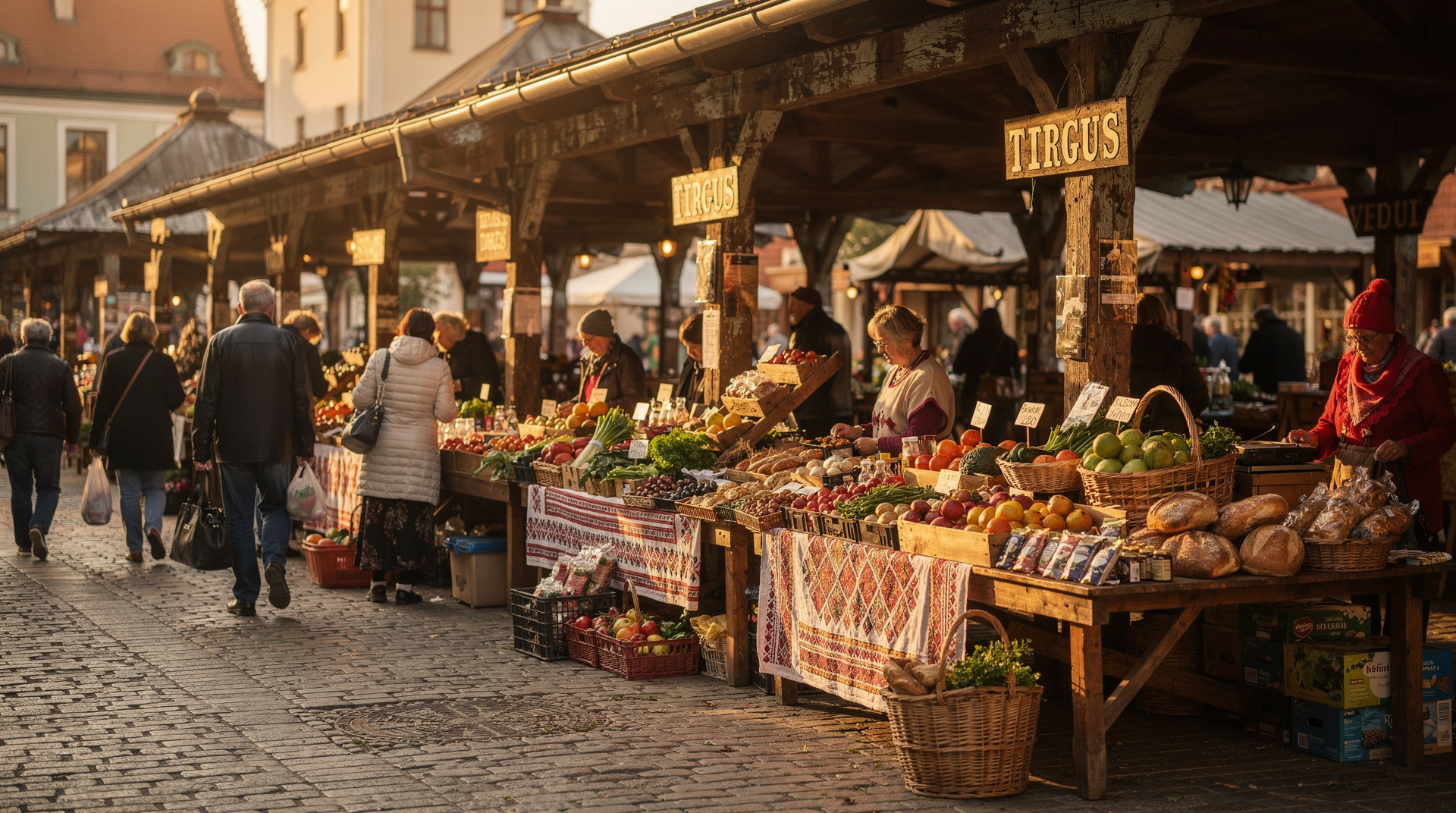
14:00 — Central Market food tour. Central Market traditional food tour (€43, 2 hours). If you prefer to do this independently after a full morning tour, simply wander the market pavilions — fish pavilion (smoked eel, sprats), meat pavilion (grey peas with bacon at the deli counters), dairy pavilion (Latvian cheese, kefir), produce section. Buy snacks as you go.
16:00 — Maskavas Forštate neighbourhood. Continue south into the neighbourhood beyond the market — wooden Art Nouveau residential buildings, completely tourist-free streets, a lived-in version of the city that contrasts sharply with the Old Town showpiece area.
17:00 — Latvian Ethnographic Open-Air Museum (optional). Bus 1 or 31 from the centre (25 minutes, €1.50). Brīvdabas muzejs has 118 authentic rural buildings from across Latvia moved to a forested site on Lake Jugla (€5 entry, open until 18:00 in summer). Latvian farmsteads, fisherman’s huts, windmills, and folk craft workshops. Excellent for context on rural Latvia.
Evening
Dinner at Vincents (Elizabetes iela 19, fine dining, €35–55 for a full meal, the best restaurant in Riga for a special evening). Or Boulangerie Galopin (Tērbatas iela 52, French-style, lighter, €16–22). Day 4 evening calls for something good after the heaviest historical day.
Day 5: Departure day
Morning (9:00–12:00)
9:00 — Latvian Ethnographic Open-Air Museum. If you skipped it on Day 4 afternoon, this morning is the perfect time (bus 1 from city centre, 25 minutes, €5 entry, open from 10:00). 118 buildings, 1.5 hours minimum. Combines well with a 14:00 or later flight.
Or use the morning for:
- Riga Motor Museum (Sergeja Eizenšteina iela 6, bus 21, €12, 2 hours) — remarkable Soviet-era car collection including Stalin’s personal ZIL limousine
- A final coffee walk in the Old Town, buying Riga Black Balsam at Rimi (€8 half-litre) for the journey home
- Rocket Bean Roastery (Miera iela 22) for the last coffee in Riga — one of the best specialty roasters in the Baltics
Departure (12:00 onwards)
Bus 22 from Abrenes iela to RIX (30–35 minutes, €1.50). Allow 2 hours before departure.
Where to stay
Budget: Naughty Squirrel (from €55 double), Tree House Riga (from €60).
Mid-range: Wellton Old Riga Palace (from €100), Pullman Riga Old Town (from €130).
Upscale: Grand Hotel Kempinski (from €250), Hotel Rome (from €180).
Honest tips for the deep-dive itinerary
- Space out the heavy historical days. The Occupation Museum + Jewish heritage tour + Soviet tour in quick succession is genuinely draining. Art Nouveau on Day 2 acts as a deliberate palate cleanser between the Old Town (Day 1) and the Soviet history (Day 3).
- Book the Jewish heritage tour in advance. It has a limited group size and sells out. Weekday tours are usually available; weekend dates book first.
- The Corner House tour needs advance booking. It only runs on specific days (check in advance at KGB Building Stūra māja official site) and the tour is limited to small groups.
- The Occupation Museum is free — visit twice if needed. The content is dense. Many visitors find they want to return the next day for the sections they rushed. Free entry makes this easy.
- Vincents is worth the splurge on the last evening. After four days of cafeteria buffets and pub food, the finest restaurant in Latvia is an appropriate send-off.
- Buy rye bread and grey pea supplements at the Central Market. Local specialties vacuum-packed for transport — excellent gifts and much cheaper than the tourist shops.
Frequently asked questions about 5 days in Riga
Is Riga a good destination for dark tourism?
Yes, significantly. The Occupation Museum, the Corner House/KGB building, the Jewish Ghetto sites, and the Holocaust memorial at Rumbula Forest (outside the city) make Riga one of the most historically layered dark tourism destinations in the EU. The tours are well-organized, respectful, and provide genuine historical context rather than sensationalism.
How long does the Soviet history walking tour take?
The main tour (via the GYG listing) runs 3 hours. With optional additions (Corner House interior tour, Academy of Sciences viewpoint), allow a full 5–6 hour day to explore the Soviet heritage circuit thoroughly.
Is the Jewish heritage tour suitable for non-Jewish visitors?
Entirely. The tour covers a critical chapter in European history and requires no prior background. The guide contextualises the events within the broader European Jewish history and the specific circumstances of the German occupation of Latvia in 1941–44. Many visitors find it the most affecting historical experience of their trip.
Are the Soviet-era buildings worth visiting in themselves?
Several are remarkable as architectural objects. The Academy of Sciences (“Stalin’s Birthday Cake”) is the most dramatic — a full Stalinist neoclassical skyscraper, incongruous in the Baltic cityscape. The Central Market pavilions (former WWI Zeppelin hangars) are extraordinary engineering. The Latvian National Library (the “Castle of Light” on the Daugava, finished in 2014) is not Soviet-era but architecturally remarkable.
What is the best museum in Riga for history?
The Museum of the Occupation of Latvia (free, Rātslaukums 1) is the most important. It covers both the Soviet and Nazi occupations 1940–1991 in depth, with personal testimonies, deportation records, and the full arc of the independence movement. The Latvian War Museum (free, Smilšu iela 20) is also very good for military history.
Is 5 days too long for Riga specifically?
Not for this itinerary’s focus. A generic sightseeing trip would run out of new material after 3 days, but the history and heritage layers covered here — Soviet occupation, Jewish heritage, Art Nouveau, medieval Hanseatic Riga — are each substantial enough to justify a full day. If history is not your primary interest, our shorter 3-day classic itinerary is a better fit; save this deep dive for a dedicated culture-focused trip.
Can I do this itinerary as a day trip series rather than consecutively?
Not easily as a single visit, but the individual days work well as standalone modules if you are a repeat visitor. The Soviet history day and the Jewish heritage day, in particular, both function as complete half-day or full-day experiences on their own — see the Soviet history themed 1-day itinerary if you want just that slice without committing to the full five days.
Honest assessment: what this 5-day itinerary delivers
Five days of intensive cultural engagement with Riga’s history and architecture is genuinely exhausting but rewarding in a specific way. By Day 5 you understand things about the 20th century that a week of reading alone cannot convey — the physical reality of the Corner House interrogation rooms, the scale of the Central Market hangars, the silence of the Ghetto Museum, the view from the Academy of Sciences over everything the Soviets built and inherited.
This itinerary is not for everyone. It is specifically for the visitor who comes to a city wanting to understand rather than simply experience it. For that visitor, Riga is one of the richest cities in Europe precisely because its history is recent enough to be materially present — you can stand in the room where things happened — and complex enough to require multiple days to begin to comprehend.
What you will leave with: An understanding of why Latvians are deeply attached to their language, their independence, and their historical memory in ways that look disproportionate to outside observers until you understand what they survived. An appreciation for a city that has been rebuilt, demolished, occupied, and rebuilt again without losing its architectural character. And probably a bottle of Riga Black Balsam.
Pacing yourself over five history-heavy days
Emotional fatigue is real on this itinerary, and it is worth planning for deliberately rather than pushing through. The structure above already spaces the two heaviest days (Soviet history on Day 3, Jewish heritage on Day 4) with the lighter Art Nouveau day in between, but individual tolerance varies.
If you notice yourself skimming exhibits rather than absorbing them by the afternoon of Day 3 or Day 4, that is a signal to end the day early rather than squeeze in one more site. A slow dinner and an early night recovers better than a rushed final museum. Several past visitors have told us they wished they had built in a genuinely free half-day — if your schedule allows a sixth day, consider adding one purely for rest, with no planned sites at all.
Reading list for the Riga culture deep-dive
Understanding Latvia’s history in advance makes the 5-day cultural itinerary significantly richer. A few starting points:
On the Soviet occupation: “The Forest Brothers: The Account of an Anti-Soviet Lithuanian Freedom Fighter” (Juozas Lukša) is written from the Lithuanian perspective but directly relevant to the Latvian experience. The Baltic Way (1989) is well-documented on the Baltic Assembly website. The Estonian film “1944” (2015) covers the Baltic soldier’s dilemma from the Estonian perspective — the exact same dilemma Latvians faced.
On the Jewish heritage: “The Diary of a Young Girl” by Anne Frank is well-known, but specifically for Riga: “Witness: Voices from the Holocaust” includes survivor testimonies from Riga. The Riga Ghetto Museum website (rigasghetto.lv) has extensive online resources.
On Art Nouveau in Riga: The publication “Riga Art Nouveau” by Jānis Krastiņš (available in the Art Nouveau Museum shop) is the definitive English-language resource.
How this compares to Riga’s other 5-day itinerary
This is not the only 5-day option in the guide. If the historical density here sounds heavier than you want, our 5-day itinerary with day trips covers the same duration with Sigulda, Jūrmala and Rundāle Palace instead of the Soviet and Jewish heritage circuits.
Both are valid 5-day structures; this deep-dive version suits travellers with a specific interest in 20th-century history, while the day-trips version suits those who want more variety of landscape and pace. A hybrid is also possible: take three days from this itinerary (Old Town, Art Nouveau, Soviet history) and swap Days 4–5 for a single day trip to Sigulda instead of the Jewish heritage and departure days.
Internal links for the culture itinerary
- Soviet history walking guide for Riga
- Corner House — former KGB headquarters
- Museum of the Occupation of Latvia
- Riga Jewish history walking guide
- Riga Ghetto Museum guide
- Art Nouveau architecture guide
- Soviet history themed 1-day itinerary
- Art Nouveau themed 2-day itinerary
Top experiences
Bookable activities with verified prices and instant confirmation on GetYourGuide.
Riga: 3-hour Soviet history walking tour
- Free cancellation
- Best seller
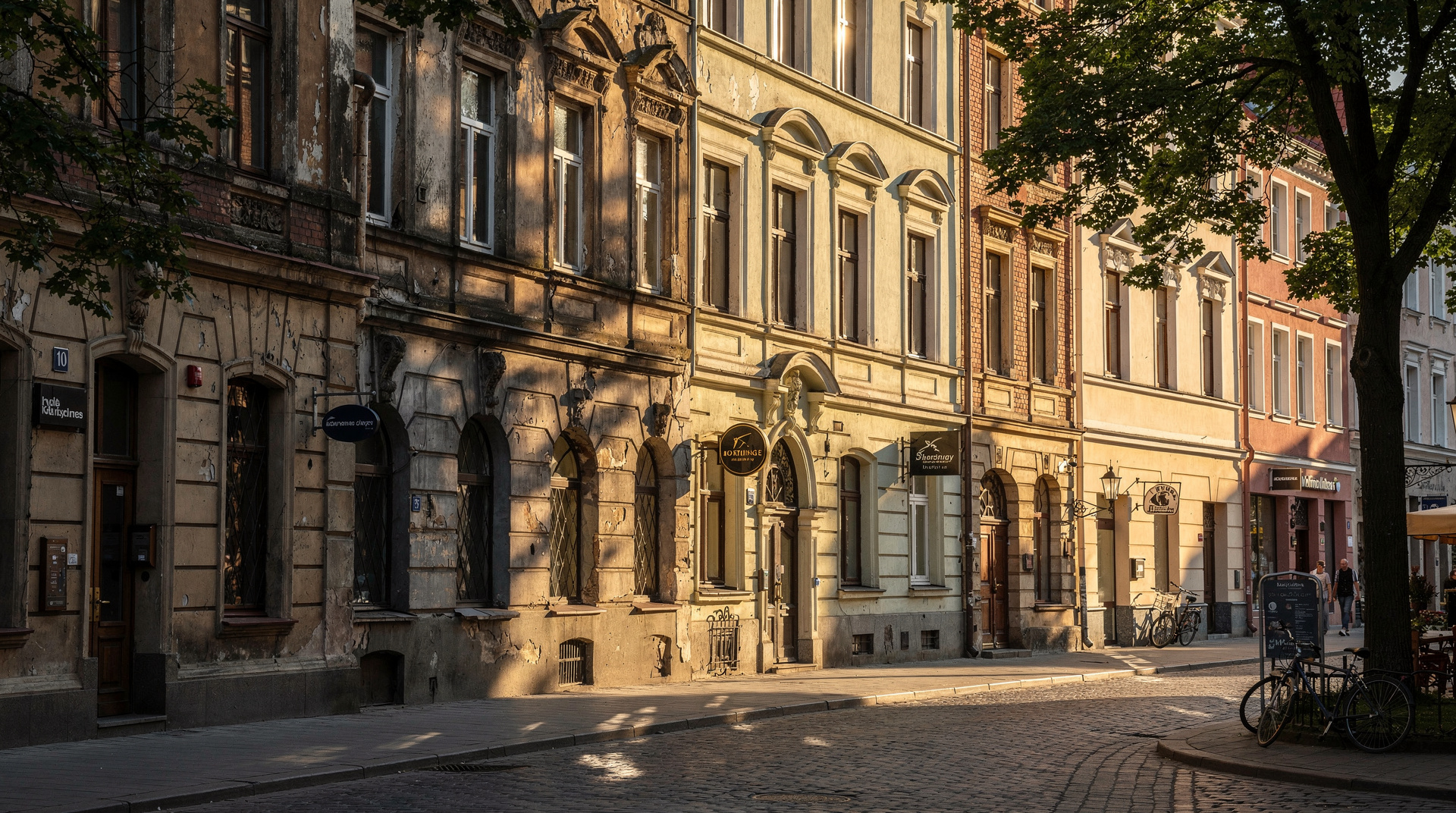
Riga: half-day Jewish history tour
- Free cancellation
- Hotel pickup
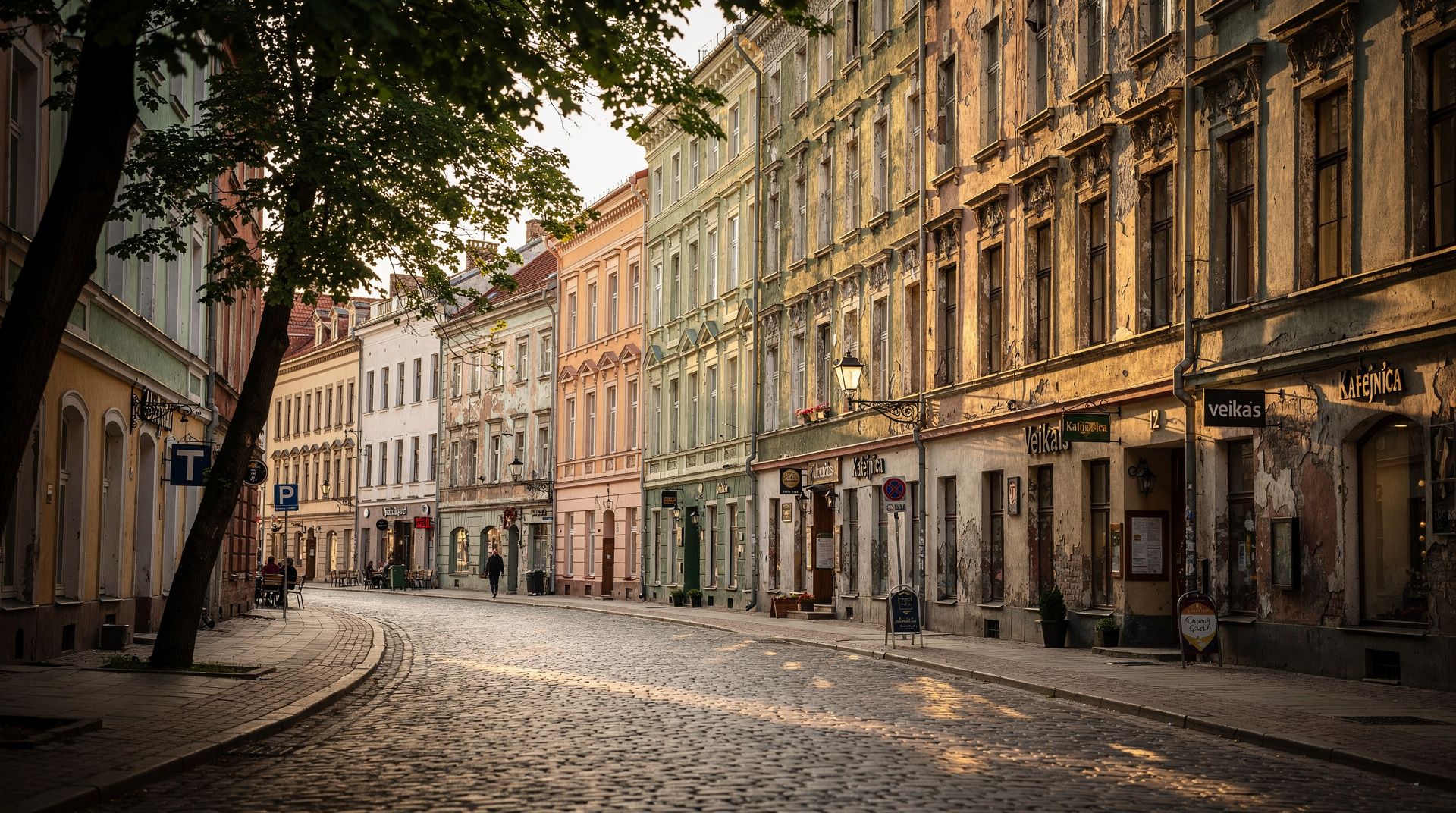
Riga: guided Old Town walking tour
- Free cancellation
- Small group
- English guide
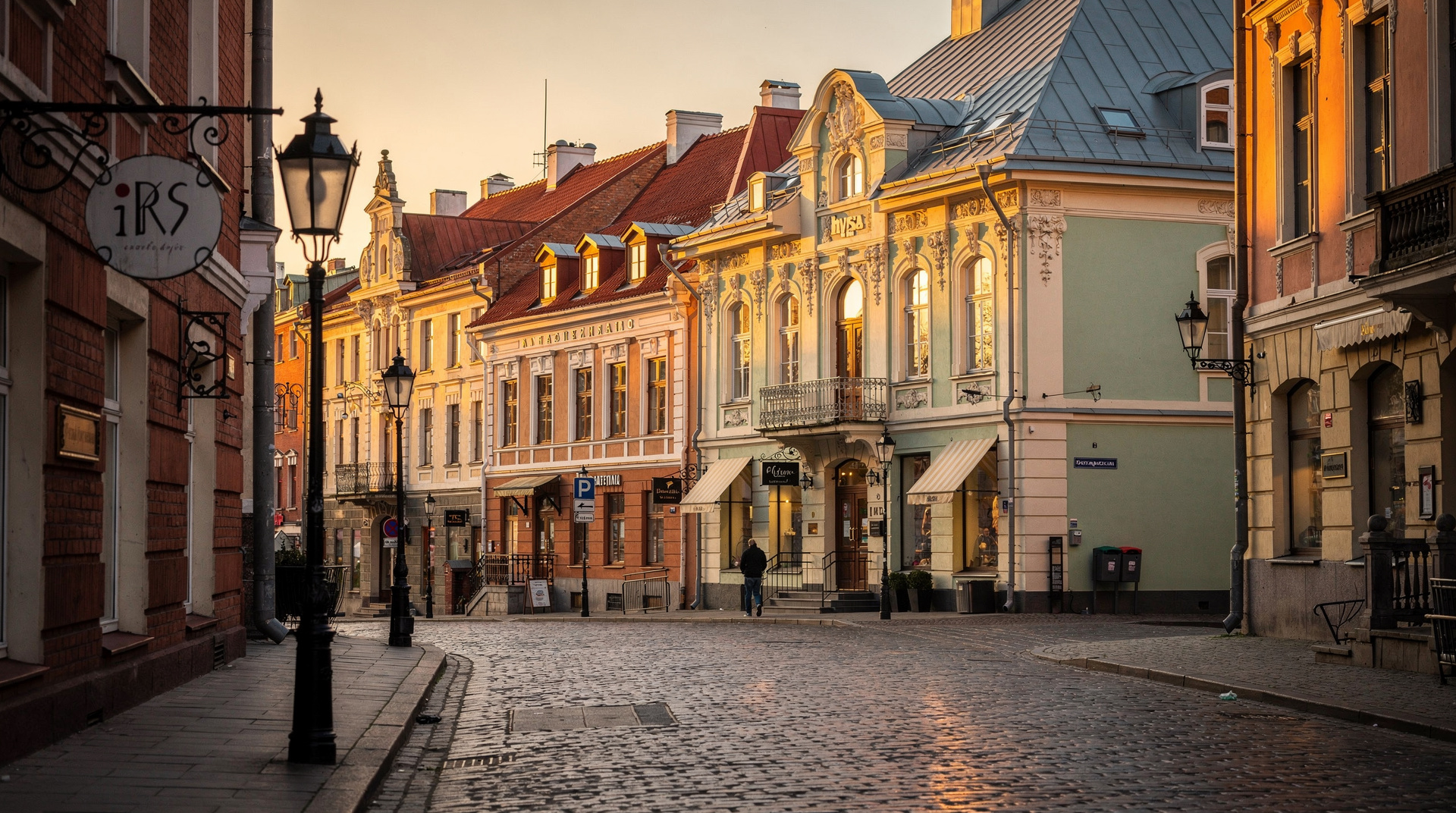
Riga: 2-hour history of Art Nouveau walking tour
- Free cancellation
- Small group
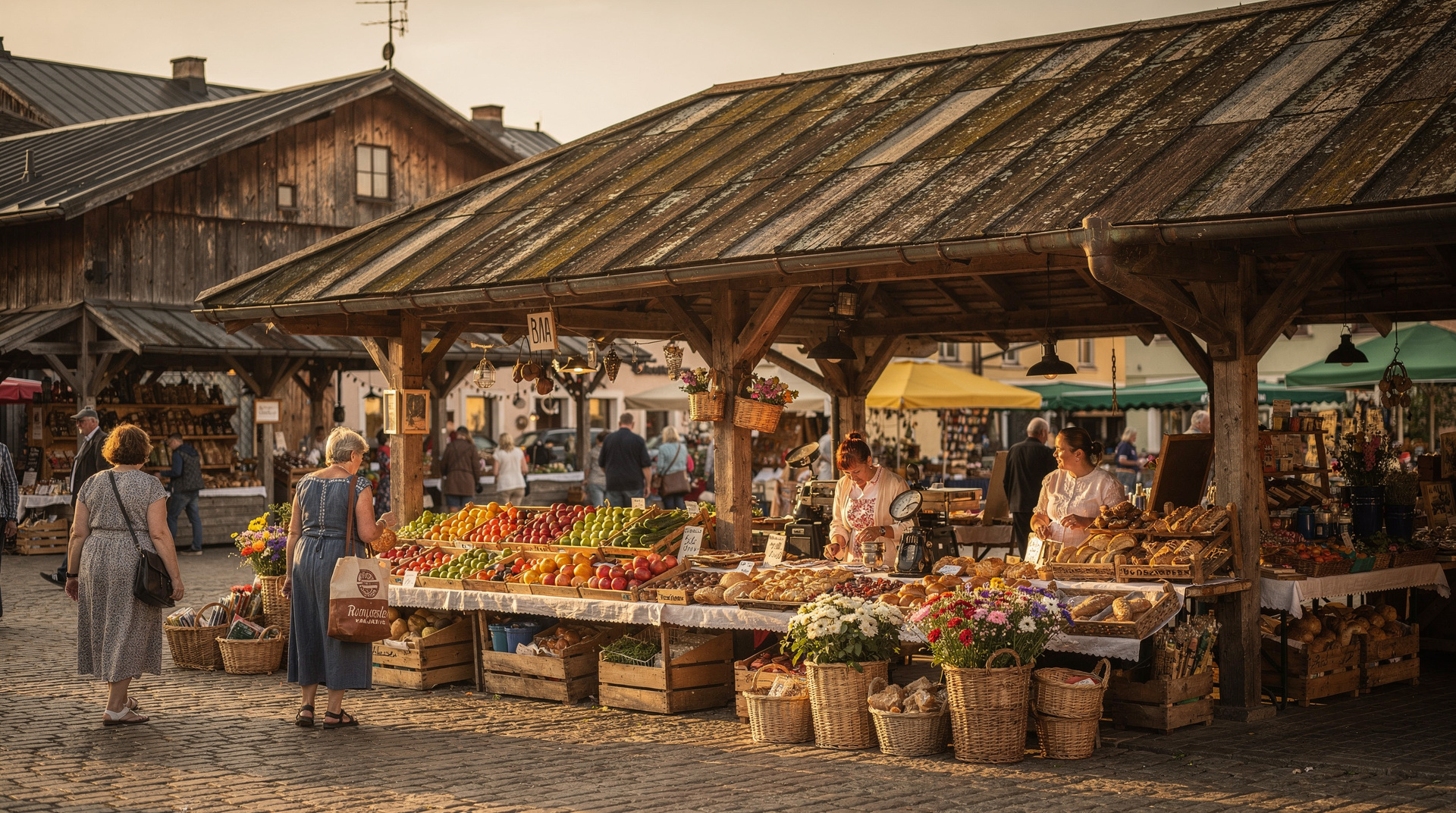
Riga: Central Market traditional food tour in a small group
- Tastings included
- Small group