Corner House Riga: visiting the former KGB headquarters
Riga: 3-hour Soviet history walking tour
Duration: 3 hours
- Free cancellation
- Best seller
What is the Corner House in Riga and is it worth visiting?
The Corner House (Stūra māja) at Brīvības iela 61 was the Latvian KGB headquarters from 1940 to 1991. The basement contained cells, interrogation rooms, and an execution chamber. It opened as a museum in 2014 and is one of the most important Cold War historical sites in Europe. Entry is free; guided tours available.
What the Corner House is and why it matters
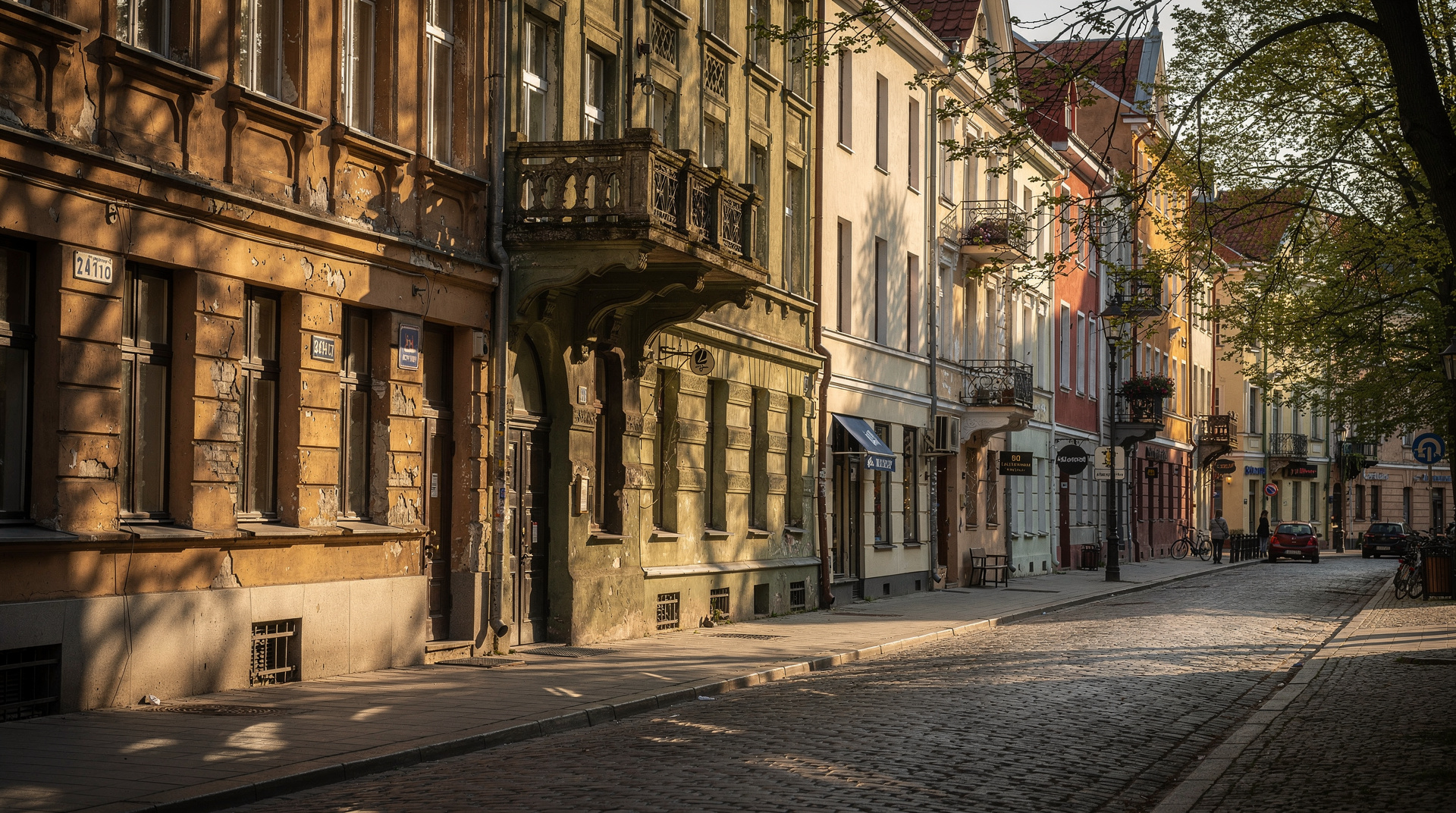
The building at the corner of Brīvības iela and Stūrmaņu iela in central Riga looks, from the outside, like what it was originally built as in 1912: a substantial Art Nouveau commercial and residential building, seven storeys, limestone facade, competently designed if not remarkable by the standards of the nearby Alberta iela masterpieces.
What the building became, and what it symbolises for Latvia, is a different matter entirely. In 1940, when the Soviet Union occupied Latvia for the first time under the terms of the Molotov-Ribbentrop Pact, the NKVD (the precursor to the KGB) requisitioned the building as its headquarters for the Latvian SSR. From that year until independence in 1991 — with an interruption during the German occupation of 1941–1944, when the Gestapo used the building for the same purposes — the building’s basement and rear wings contained the apparatus of political terror: cells, interrogation rooms, an execution chamber, and all the bureaucratic infrastructure of a surveillance state.
Tens of thousands of Latvians had some connection to this building during the 50 years of occupation. Some were interrogated and released. Others were sentenced to years in Siberian labour camps. Several hundred were executed. The building’s popular name — Stūra māja, “Corner House” in Latvian — became a synonym for fear in the Latvian language of the occupation period, in the same way that Lubyanka in Moscow or Hohenschönhausen in Berlin became.
After independence in 1991, the building passed through various commercial uses before the Latvian government opened it as a museum in 2014. It is, alongside the Museum of the Occupation and the documentation of the deportations of June 1941, the most important historical site in Riga for understanding what Latvia experienced in the 20th century.
| Where | Brīvības iela 61 / Stūrmaņu iela 1, 10–12 min walk from Old Town |
| Cost | Free entry, donations welcome |
| Time needed | 60–90 minutes |
| Best combined with | Museum of the Occupation, 10 min walk south |
| Suitability | Adults and older teenagers; not recommended for young children |
What you will see inside
The upper floors: KGB operational spaces
The museum occupies the floors that housed the KGB’s administrative and operational functions. The visitor experience begins here, with documentary exhibitions establishing the structure of the Soviet security services in Latvia, the different phases of occupation (1940–41, 1944–1991), and the methods of surveillance, recruitment of informers, and management of the population.
The original office furniture, filing equipment, and communication infrastructure has been partially retained or restored. The exhibition is careful to balance the institutional and bureaucratic with the individual: case files and photographs of specific Latvians who were processed through this building give faces and names to what might otherwise feel like an abstract historical narrative.
The prison floor
The dedicated prison cells on one of the building’s internal floors are among the most affecting spaces in the museum. The cells are small — designed to hold multiple prisoners in conditions intended to disorient and exhaust. Some retain original graffiti scratched by prisoners: names, dates, prayers, messages to family members who might never read them. The conditions documented here — darkness, cold, inadequate food, isolation — were designed to break resistance before interrogation.
The interrogation rooms
Several interrogation rooms have been preserved or reconstructed. The standard furniture (desk, chair, bright light, minimal furnishings for the prisoner) has an utterly familiar quality to anyone who has seen Cold War documentation — identical rooms existed in every Soviet-bloc country. What makes the Riga version affecting is the proximity to the cells and the specific historical documentation of the people who passed through these rooms.
The basement and execution chamber
The basement is the hardest part of the museum to visit. The execution chamber — a small room where condemned prisoners were shot in the back of the head and then carried out through a separate entrance — has been preserved. The documentation here is specific: records of executions carried out in this room, names, dates, charges. The charges were frequently absurd by any legal standard: “anti-Soviet agitation,” “bourgeois nationalism,” “contact with foreign agents.”
The museum handles this space responsibly. It does not dramatise or aestheticise the horror; it presents the facts with minimal mediation and trusts the visitor to respond.
Combine the Corner House with a full 3-hour Soviet Riga walking tour (€25)Historical background: how the KGB operated in Latvia
Understanding the operational context of the Corner House requires some background on the Soviet security services.
The NKVD (People’s Commissariat for Internal Affairs) was the Soviet security and intelligence organisation that occupied the Corner House in 1940. It was responsible for the deportation of 14 June 1941 — a single night in which approximately 15,000 Latvians were loaded onto trains to Siberia, most of them never to return. The deportation lists had been compiled by NKVD operatives working from the Corner House.
After World War II, the successor organisation — the MGB (Ministry of State Security), which became the KGB in 1954 — continued operations from the same building. The postwar period saw a second major deportation in March 1949 (around 43,000 Latvians deported in three days) and ongoing persecution of anyone suspected of nationalist sympathies, religious activity, or “contact with the West.”
The KGB in Latvia maintained a network of informers estimated at one person for every 12–15 adult citizens at the peak of its operational capacity in the 1960s and 1970s. This is the number that most Latvians find hardest to reconcile with the social memory of the period — the recognition that neighbours, colleagues, and sometimes family members were reporting on each other under various degrees of coercion.
The KGB files for the Latvia period are held partly in the national archives in Riga and partly in Moscow. Access has been a politically charged question in Latvia since 1991.
The building’s architectural history
One detail the museum handles carefully is the building’s architectural past. It was built in 1912 as a private commercial building — offices and apartments — in the Art Nouveau style that dominated Riga’s New Town construction of that period. Before it became the Corner House, it was simply an address on Brīvības iela.
The building’s exterior has been cleaned and partially restored. The Art Nouveau facade details — limestone ornament, arched windows on the upper floors — are visible and worth noting before you enter, both for their architectural quality and for the contrast with what lies behind them.
Explore authentic Soviet Riga stories with a local guide (€24, 2.5 hours)Practical information
Address: Brīvības iela 61 / Stūrmaņu iela 1, Riga. Museum entrance on Stūrmaņu iela.
Opening hours: Tuesday–Sunday 10:00–18:00. Closed Mondays and public holidays.
Entry: Free. Donations welcome. Guided tours (in Latvian or English) available for a fee — check the museum website for scheduled English tour times.
Getting there: 10–12 minutes walk north from Old Town along Brīvības bulvāris. The Freedom Monument is on the way. By Bolt: 3–4 minutes from Old Town, around €4.
Photography: Permitted throughout most of the museum. The execution chamber section has restrictions — follow the signage.
Language: The exhibition text is in Latvian and English throughout.
Combining with other Soviet history sites
The Corner House is most meaningful when visited in conjunction with the Museum of the Occupation of Latvia (10 minutes walk south, on Town Hall Square) and ideally a guided walking tour that provides the connective narrative between the sites. The 3-hour Soviet history walking tour covers the central sites in sequence with a guide who can contextualise each one.
For the full map of Soviet-era sites in Riga, see our Soviet history walking guide. For the Occupation Museum specifically, see our guide to visiting the Museum of the Occupation of Latvia.
What the Corner House contains: an orientation to the exhibition
The museum occupies much of the building but concentrates its most significant content on three areas: the original cell block, the operational offices and interrogation rooms, and the documentary exhibition covering the KGB’s activities in Latvia from 1940 through the Soviet period to independence.
The cell block. The basement level contains the original cells where prisoners were held before interrogation, between interrogation sessions, and while awaiting sentencing or transfer. The cells are small — designed for isolation and disorientation, not for long-term habitation. The conditions were deliberately dehumanising: limited light, no contact with other prisoners, the unpredictable timing of interrogations designed to prevent prisoners from establishing any psychological footing.
Some cells have been left in their original state with minimal interpretation, which is the correct approach. Standing in a cell that held people arrested for possessing samizdat literature or corresponding with relatives abroad is an experience that interpretation would only diminish.
The operational offices and interrogation rooms. The upper floors contain preserved and partially reconstructed working spaces — the offices where KGB officers maintained files on tens of thousands of Latvian citizens, the interrogation rooms where the psychological pressure of the Soviet security system was most directly applied. The interrogation rooms are not dramatic in the Hollywood sense: they are plain, bureaucratic rooms with a desk, two chairs, and the accumulated weight of everything that happened in them.
The documentary exhibition. The exhibition covers the history of Soviet security operations in Latvia in detail: the 1940 occupation and mass deportations to Siberia; the German occupation period (when the KGB building served different occupiers with different methods but similar purposes); the reinstatement of Soviet control after 1944; the systematic suppression of Latvian cultural and national identity through the postwar decades; the late-Soviet period dissidents and their surveillance files; and the building’s role in the 1991 independence events.
The documentary evidence — actual surveillance files, reports, photographs, personal testimonies — makes the exhibition unexpectedly personal. The files on ordinary Latvian citizens reveal a surveillance apparatus of extraordinary ambition: tracking reading habits, social connections, professional activities, private correspondence. The files are not abstractions; they are records of specific people.
The 1991 independence events and the Corner House
The final chapter of the Corner House story is the Latvian independence movement. In January 1991 — two months before Latvia declared independence — Soviet forces attempted to reassert control. The Corner House was a focal point: barricades were erected around the building in solidarity with the Latvian independence forces, and the standoff around the building in January 1991 was one of the pivotal moments of the independence movement.
The museum includes material on these events, which Latvian visitors in particular find significant. For international visitors, the 1991 content helps connect the Cold War-era Soviet repression documented in the rest of the museum to the living political reality of Latvia’s independence — which has now lasted more than 30 years but which was preceded by half a century of occupation. The Corner House is not only a museum of the past; it is a building that has a living relationship to Latvian political identity.
Honest assessment: is the Corner House appropriate for everyone?
No. The Corner House contains genuinely difficult material: documentary evidence of political persecution, photographs of deportees, testimony from survivors of KGB interrogation, and the physical spaces where imprisonment and interrogation took place. For visitors with family connections to Soviet-era Latvia, the experience can be intensely personal. For visitors approaching the subject coldly, it can still be unsettling.
Appropriate for: Adults and older teenagers with an interest in Soviet history, Cold War history, or human rights history. Visitors to Latvia who want to understand the country’s historical experience rather than simply its contemporary tourism surface.
Less appropriate for: Younger children (the content is not suitable and the historical context is too complex). Visitors who are expecting a standard historical museum experience rather than an encounter with physical and documentary evidence of political persecution.
Timing: Allow more time than you think you need. Most visitors plan 45 minutes and stay 75–90 minutes. The exhibition is dense and rewards attention.
Practical tips for visiting the Corner House
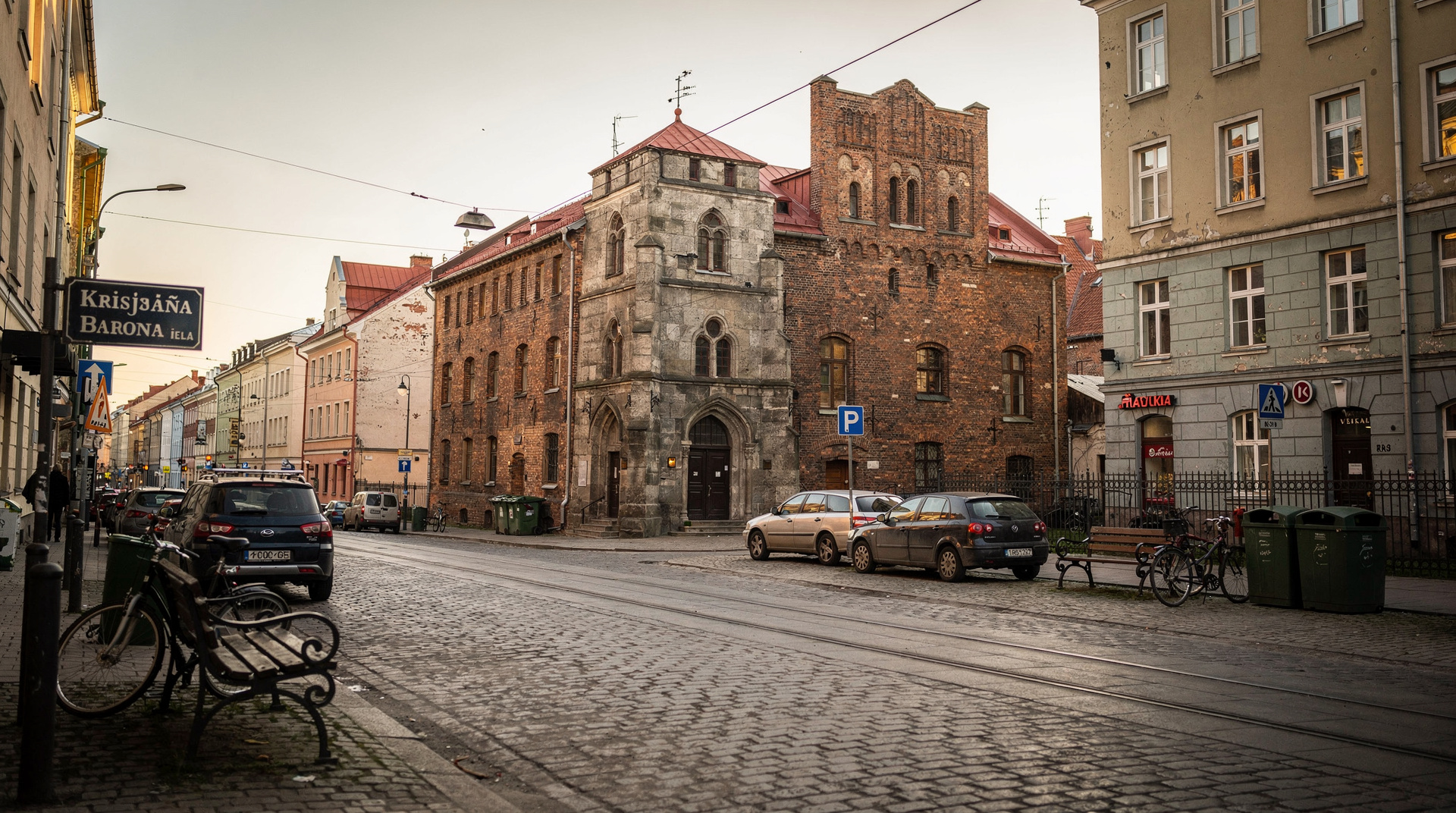
Start with the free access areas. The street-level approach to the building — the exterior facade, the entry from Stūrmaņu iela — sets the context before you enter the exhibition. Look at the building from the corner. Note its scale, its relationship to the street, the fact that it is indistinguishable from the commercial buildings around it. The ordinariness is part of the point.
Bring a notebook or take notes on your phone. The exhibition content is dense and specific. The names, dates, and statistics are hard to retain without notes.
Visit on a weekday. The Corner House is busier at weekends, and the cell block and interrogation rooms are more affecting when you are not sharing them with a large group. Weekday mornings are the quietest time.
Combine with the walking tour. The Soviet history walking tour provides the broader urban and historical context that frames the Corner House properly. Going in without that context — knowing nothing about the Soviet occupation, the deportations, the resistance — means you are reading individual evidence without the narrative that gives it meaning.
The building’s Art Nouveau past and its Soviet future
One detail that deserves more attention than it typically receives: the building at Brīvības iela 61 was completed in 1912 as a high-quality residential and commercial building in the Art Nouveau style. Its facade still shows the decorative ornament of Riga’s architectural golden age — the limestone mouldings, the arched windows, the street-level commercial ground floor characteristic of New Town buildings of the period.
The same building that embodied Riga’s pre-war confidence and prosperity became the headquarters of Soviet state terror. The architectural quality of the exterior and the horror of the interior are in the same building. This is not a coincidence or a mere historical irony; it is a precise physical representation of what Soviet occupation meant for Riga — taking the infrastructure of a prosperous city and repurposing it for a system that would imprison that city’s population for 50 years.
Building a full Soviet-history day around the Corner House
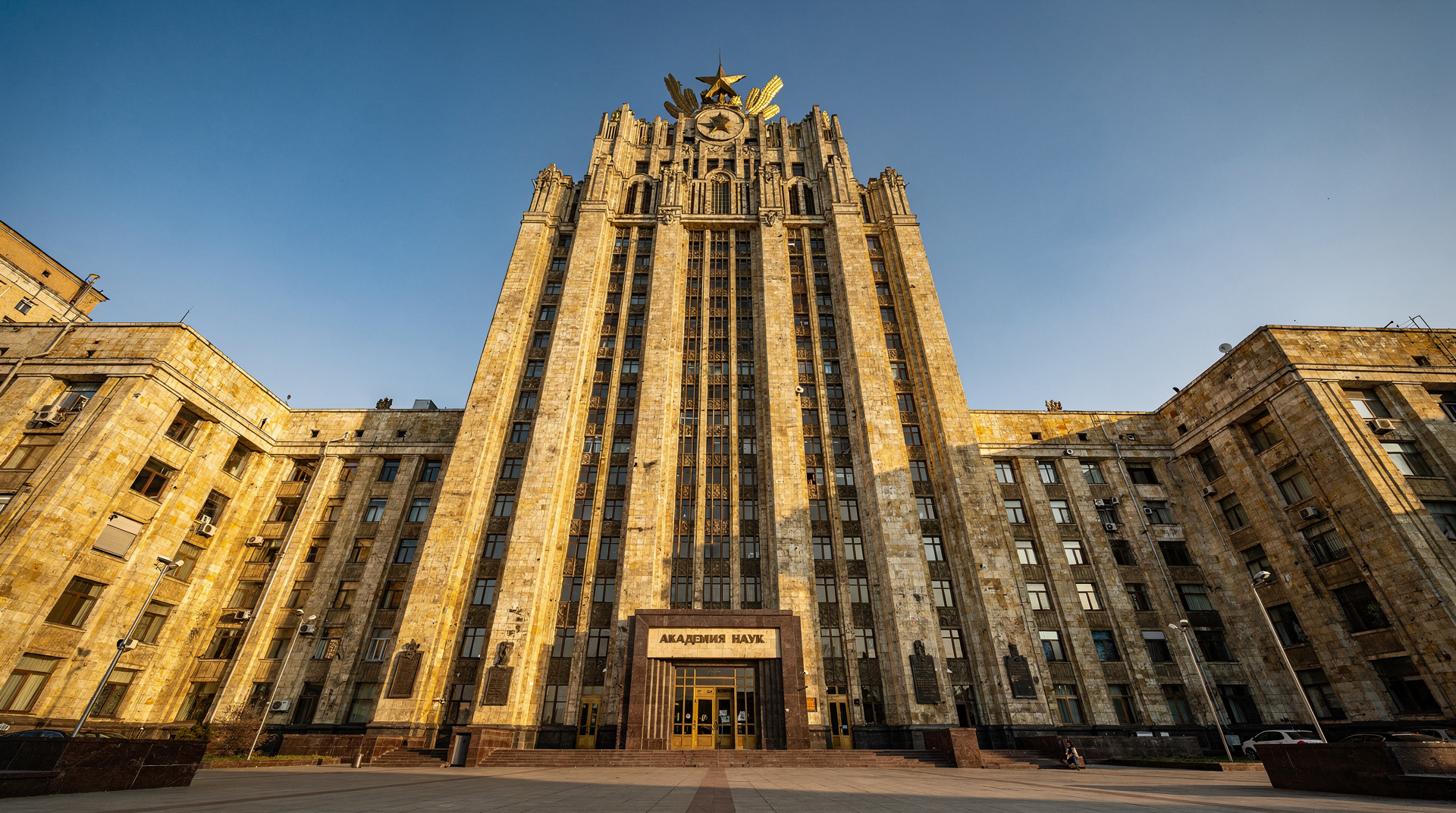
The Corner House is one stop in a wider network of Soviet-era sites across central Riga, and most visitors get more out of it as part of a themed day rather than an isolated visit. The Academy of Sciences — Riga’s Stalinist “wedding cake” skyscraper, visible from much of the city — is a striking architectural counterpoint a short Bolt ride away, and its observation deck gives a useful overview of how the Soviet period reshaped Riga’s skyline. The Victory Monument, on the opposite side of the river, adds the contested-memory dimension: a Soviet war memorial that remains a genuine point of tension in contemporary Latvian politics.
For a broader institutional view of the same period, Riga’s history museums overview rounds up every museum touching on the 20th century, useful if the Corner House leaves you wanting more context rather than less. Most visitors sequence the day as: Corner House first (the rawest, most specific material), then the Museum of the Occupation for the analytical and archival overview, finishing with a walk through the Soviet history walking guide route to see the wider urban context these two museums sit within.
| Site | Distance from Corner House | What it adds | Time needed |
|---|---|---|---|
| Museum of the Occupation | 10 min walk | Comprehensive archival narrative | 60–90 min |
| Academy of Sciences | ~10 min by Bolt | Stalinist architecture, city overview | 30–45 min |
| Victory Monument | ~10–15 min by Bolt | Contested Soviet-era memory | 20–30 min |
| Soviet history walking route | Starts nearby | Connective narrative between sites | 2.5–3 hours |
A realistic full day covering all four: start at the Corner House in the morning when it is quietest, walk to the Occupation Museum, take a Bolt out to the Academy of Sciences for lunch with a view, then finish at the Victory Monument on the way back into the centre. This is a demanding day emotionally as much as physically — pace it with breaks, and do not try to compress it into an afternoon.
This kind of full-day sequencing is not for everyone, and that is fine. Many visitors prefer to split Soviet-era Riga across two shorter half-days within a longer trip, pairing the Corner House and Occupation Museum on one morning and leaving the Academy of Sciences and Victory Monument for a separate afternoon later in the visit, mixed in with lighter sightseeing. Either approach works; what matters is not rushing the Corner House itself, since it rewards attention more than any of the other stops on this list.
Frequently asked questions about the Corner House
How long does the Corner House take to visit?
Allow 60–90 minutes for a thorough visit. The cell block takes 15–20 minutes; the operational floors take 20–30 minutes; the documentary exhibition takes 30–40 minutes depending on how much you read. Do not plan it as a 30-minute stop.
Is the Corner House appropriate for children?
The museum content includes material on political persecution, deportation, imprisonment, and interrogation. It is not appropriate for young children (under 12–13). Older teenagers who are studying Cold War or Soviet history will find it highly informative.
Do I need to book in advance?
No reservation is required for self-guided visits during regular opening hours. Guided English-language tours may have scheduled times — check the museum website before visiting if you want a guided tour. The museum is free; donations are welcomed.
How does the Corner House compare to the Occupation Museum?
They cover overlapping periods but with different emphases. The Occupation Museum (on Town Hall Square) is a documentary and archival museum — comprehensive, analytical, focused on evidence and statistics. The Corner House is a site museum — the actual building where the events happened, with the physical spaces preserved. They complement each other. If you visit only one, the Corner House provides the more visceral and physically immediate experience; the Occupation Museum provides the more complete historical narrative.
Are there other Soviet-era sites worth combining with the Corner House?
Yes. The Academy of Sciences and the Victory Monument both add useful context — one architectural, one about contested memory — and both are reachable within a 10–15 minute Bolt ride. The Soviet history walking guide sequences these sites into a coherent half-day route.
Is the Corner House the same building people mean when they say “Stūra māja”?
Yes — Stūra māja (“Corner House” in Latvian) is simply the Latvian name for the same building and museum described throughout this guide. Both names refer to the KGB headquarters at Brīvības iela 61, and Latvians overwhelmingly use the Latvian name in conversation, so it is worth recognising both when asking for directions or researching further.
Top experiences
Bookable activities with verified prices and instant confirmation on GetYourGuide.