Riga Soviet history walking guide: sites, stories and honest context
Riga: 3-hour Soviet history walking tour
Duration: 3 hours
- Free cancellation
- Best seller
What are the best Soviet history sites in Riga?
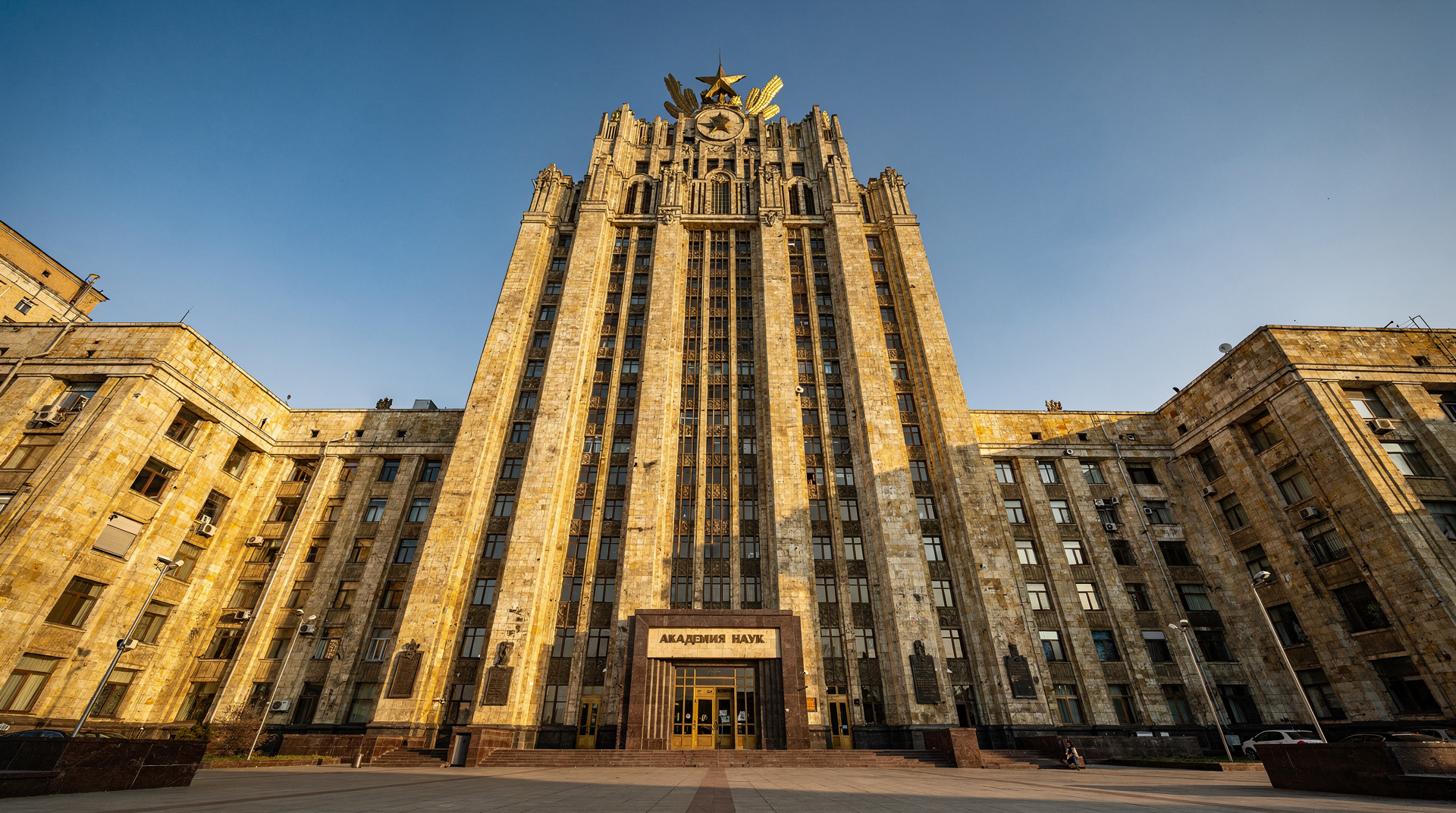
The five essential sites are: the Corner House (former KGB headquarters, now a museum), the Museum of the Occupation of Latvia (in Old Town), the Academy of Sciences observation deck (known as 'Stalin's Birthday Cake'), the Victory Monument in Pārdaugava, and the Cheka Memorial sites in Biķernieki forest. A guided walking tour covers the central sites in 3 hours.
Riga carries 47 years of Soviet occupation in its buildings, monuments and museums more visibly than almost any other European capital. This guide walks through the essential sites, a suggested route, and the historical context needed to understand what you’re actually looking at.
| Core sites | Corner House, Occupation Museum, Academy of Sciences, Victory Monument |
| Time needed | 3 hours guided (central sites) or a full day self-paced |
| Cost | Occupation Museum free (donations); Corner House ~€6; Academy deck €8 |
| Best for | History-focused visitors; less suited to young children |
| Booking | Guided walking tour recommended for context, especially for first-time visitors |
Understanding Riga’s Soviet period
Latvia was first occupied by the Soviet Union in June 1940 under the terms of the Molotov-Ribbentrop Pact — a secret protocol dividing Northern and Eastern Europe between Stalin’s USSR and Hitler’s Germany. The occupation lasted less than a year before Nazi Germany invaded in 1941, but in that time the Soviet authorities deported roughly 15,000 Latvians — intellectuals, military officers, politicians, businesspeople, clergy — to Siberia in a single night: 14 June 1941. Many never returned.
The German occupation (1941–1944) brought a different but equally devastating set of crimes, including the systematic murder of most of Latvia’s Jewish population. Then the Soviets returned in 1944 and the occupation continued until 1991 — 47 years in total, interrupted only by the German period.
What this history means for the visitor to Riga is that the city contains layers of physical evidence that other European cities lack. The Corner House — the KGB headquarters — still stands on the corner of Brīvības iela and Stūrmaņu iela, converted into a museum. The Occupation Museum occupies a purpose-built 1971 pavilion on Rātslaukums (Town Hall Square). The Academy of Sciences, built in Stalinist monumental style in the 1950s, towers over the Maskavas Forštate neighbourhood with unmistakable symbolic intention. Understanding these buildings and sites requires understanding the political history they embody.
Join the top-rated 3-hour Soviet history walking tour of Riga (€25)Comparing the four essential sites
| Site | Time needed | Cost | Intensity |
|---|---|---|---|
| Corner House | 1.5 hours | around €6 | High — cells and interrogation rooms |
| Museum of the Occupation | 1.5–2 hours | Free (donations) | High — deportation records, testimony |
| Academy of Sciences deck | 30–45 minutes | €8 | Low — architecture and views |
| Victory Monument | 20–30 minutes | Free | Medium — politically contested site |
Use this table to plan your day realistically. Pairing one high-intensity site (Corner House or Occupation Museum) with the Academy of Sciences in the same half-day balances the emotional weight with something lighter.
The essential sites
The Corner House (Stūra māja)
The building at the corner of Brīvības iela and Stūrmaņu iela operated as the headquarters of the Latvian KGB — the Soviet secret police — from 1940 to 1991 with interruptions. The basement and rear of the building contained interrogation rooms, prison cells, and an execution chamber. Thousands of Latvians passed through the Corner House during the Soviet period; many were sentenced to death or to decades in Siberian labour camps.
Since 2014, the building has operated as a museum. The visitor experience covers the structure and function of the KGB, the operational methods of surveillance and interrogation, and the individual cases of Latvians who were imprisoned here. The cells and interrogation rooms have been preserved or restored. This is genuinely one of the most important Cold War historical sites in Europe.
See our full guide to visiting the Corner House.
The Museum of the Occupation of Latvia
Located on Town Hall Square in a 1971 Modernist pavilion (ironically built during the Soviet period for an exhibition celebrating Soviet achievements), the Museum of the Occupation documents the two Soviet and one German occupation periods from 1940 to 1991. The permanent collection uses documents, photographs, oral history recordings, and physical artefacts to tell the story of deportations, resistance, and daily life under occupation.
The deportation records are the most affecting part of the exhibition: lists of names, family photographs from Siberian exile, personal objects. Free to enter (donations appreciated).
See our full guide to visiting the Museum of the Occupation of Latvia.
The Academy of Sciences (Latvijas Zinātņu akadēmija)
The Latvian Academy of Sciences building, completed in 1958, is the most visible piece of Soviet architecture in Riga’s central skyline. Built in the Stalinist Empire Style — known informally as “Stalin’s Birthday Cakes” for their resemblance to the skyscrapers Stalin ordered built in Moscow — the building was never actually commissioned for the Academy of Sciences, which occupied it only after Stalin’s death reduced enthusiasm for the symbolic programme.
The observation deck at the top (the “Stalin’s Birthday Cake view”) is a genuinely excellent way to see both the building from inside and Riga from above. Entry is €8 via the official tourism operator. See our guide to the Academy of Sciences observation deck.
The Victory Monument (Uzvaras piemineklis)
The Victory Monument in Pārdaugava (on the left bank of the Daugava, about 3 km from Old Town) is the most contested Soviet-era monument still standing in Riga. Erected in 1985 to commemorate the 40th anniversary of the Soviet victory over Nazi Germany, the monument depicts three gold stars above a 79-metre column, with bronze reliefs of soldiers and civilians at the base.
For Latvians, the monument is associated primarily with the Soviet occupation rather than with the defeat of Nazi Germany. For many Russian-speaking residents of Riga, it remains a place of commemoration for relatives who died in World War II. The political and ethnic dimensions of the monument’s meaning make it one of the most nuanced sites in the city to visit and discuss. See our full guide to the Victory Monument and its political context.
Join the Soviet Riga walking tour: authentic stories of the ex-Soviet city (€24)A suggested walking route
This route connects the sites in central Riga and takes approximately 3 hours on foot, not including time inside the museums.
Start: Museum of the Occupation of Latvia (Town Hall Square, Old Town). Spend 1.5–2 hours here first to establish the historical framework.
Walk north along Brīvības bulvāris from Old Town toward the Quiet Center. This boulevard was a major site of Soviet demonstrations — the Singing Revolution assemblies of 1988–1991 drew hundreds of thousands of people here.
The Freedom Monument — actually erected in 1935, before the Soviet occupation, and miraculously preserved through it. The three stars held by the female figure represent the three historical regions of Latvia: Kurzeme, Vidzeme, and Latgale.
Corner House (Brīvības iela 61 / Stūrmaņu iela 1) — allow 1.5 hours here. The site is a 10-minute walk north of Old Town on Brīvības iela.
Continue south-east to the Academy of Sciences (Akadēmijas laukums 1) — a 15-minute walk from the Corner House. The observation deck is best visited on a clear day.
The Central Market (Centrāltirgus) across the street from the Academy of Sciences was built using pavilions originally constructed for a Zeppelin hangar. During the Soviet period it functioned as one of the few places in Riga where anything approaching a normal market economy operated.
Honest context: visiting with a guide versus independently
The guided Soviet history walking tour (€25) is particularly valuable here because the sites are spread across the city and the historical connections between them are not self-evident from looking at them. A good guide transforms a walk past a 1950s office tower into a 30-minute discussion of what Stalinist architecture was designed to communicate and why it was built where it was built.
The two indoor museums (Occupation Museum and Corner House) are both well-documented in English and can be visited without a guide. But combining them with the exterior sites — the Academy, the Freedom Monument, the Biķernieki forest memorial outside the city — in the right sequence and with proper context is where a guided tour adds the most value.
Book the guided Old Town tour with Occupation Museum entry (€38, 3 hours)Honest tips for visiting Riga’s Soviet sites
Allocate real time. The Occupation Museum is emotionally dense and takes at least 90 minutes to do properly. The Corner House is similar. Trying to see both in a single morning will leave you overwhelmed and underinformed. Plan them on separate half-days or on a dedicated full day.
Bring a charged phone or camera. Both museums have extensive documentary photography and text panels. You will want to photograph items to research later or to share with people who couldn’t make the trip.
Be prepared for the emotional weight. The deportation records at the Occupation Museum include names, ages, and photographs of real families. The Corner House cells are the actual spaces where people were held. This is not heritage tourism of the sanitised variety — it is confronting, and intentionally so.
The Victory Monument situation. If you want to visit the monument, take Bolt to Uzvaras parks (around €6–7 from Old Town). Do not confuse it with any tourist attraction in the traditional sense — it is a contested memorial site, not a museum, and the surrounding park can feel subdued or tense depending on the day. See our full guide for a balanced understanding of what you will encounter.
Biķernieki forest. Outside the scope of a city walking tour but worth knowing about: Biķernieki forest on the eastern edge of Riga contains memorial sites for the mass executions that took place there during both the Soviet and German occupation periods. This is a significant but little-visited site, best accessed with a guide or a rental car.
Frequently asked questions about Riga’s Soviet history
How dark is the Soviet history content in Riga’s museums?
Quite dark. The Museum of the Occupation documents mass deportations, forced labour in Siberia, and the systematic dismantling of Latvian society. The Corner House covers KGB interrogation and imprisonment. Both are professionally presented and important for understanding what happened, but visitors should be prepared for genuinely difficult material.
Is a guided Soviet history tour worth it in Riga?
Yes. The physical sites alone do not communicate the full weight of what happened without contextual storytelling. A good guide makes the difference between a superficial survey and a genuine understanding of how Soviet rule shaped Riga and Latvia.
How do Latvians feel about Soviet-era monuments and buildings?
Complex. The Victory Monument is a particularly contested site — Latvians associate it with Soviet occupation and the deportations, while some Russian-speaking residents of Riga associate it with the defeat of Nazi Germany. The Monument to the Liberators of Soviet Latvia has been removed from Pārdaugava. Context matters enormously in how these sites are approached.
Can children visit the Soviet history sites in Riga?
The Museum of the Occupation is appropriate for children over about 12, depending on the child. The Corner House is more intense and better suited for teenagers and adults. The Academy of Sciences and the exterior of the Victory Monument are fine for all ages.
How much time do I need for the Soviet history sites?
The Museum of the Occupation requires 1.5–2 hours. The Corner House takes 1.5 hours for a self-guided visit or a guided tour. A guided walking tour covering the central sites runs 3 hours. Plan a full day if you want to cover all major sites without rushing.
For the full story on individual sites, see our guides to the Corner House, the Museum of the Occupation, the Academy of Sciences, and the Victory Monument. For broader context on Riga history, see our 5-day Riga deep dive itinerary.
Riga under Soviet rule: the essential context
Understanding what you are looking at in Riga’s Soviet history sites requires a minimum of historical context. The following is the condensed version — enough to make the sites legible.
The first Soviet occupation (June 1940 – July 1941). Latvia was an independent republic from 1918 to 1940. Under the terms of the Molotov-Ribbentrop Pact (August 1939) between Nazi Germany and the Soviet Union, Latvia was assigned to the Soviet sphere of influence. In June 1940, the Soviet Union issued an ultimatum demanding the right to station unlimited military forces in Latvia. The Latvian government, facing superior force, complied. The Soviet Army occupied Latvia; within weeks, a Soviet-orchestrated coup installed a puppet government, which requested admission to the USSR. Latvia was incorporated as the Latvian Soviet Socialist Republic in August 1940.
In the period between the occupation and the German invasion (June 1941), Soviet security services conducted mass arrests of Latvian political, military, and intellectual leaders. The great deportation of June 14, 1941 sent approximately 15,000 Latvian citizens — including many women and children — to Siberia and Kazakhstan in cattle wagons. Many died in transit or in the first months in Siberia.
The German occupation (July 1941 – October 1944). The German Army entered Riga on July 1, 1941, three days after the Soviet Union launched its invasion. The German occupation was welcomed by some Latvians — anything was better than the Soviets — but brought its own systematic terror. Latvia’s Jewish community (approximately 95,000 people across the country) was almost entirely murdered within two years. The Latvian population was subjected to forced labour, food shortages, and the conscription of Latvian men into German military units.
The second Soviet occupation (1944 – 1991). The Soviet Army reoccupied Latvia in 1944. This occupation lasted 47 years. The postwar Soviet period included a second mass deportation (March 1949, approximately 42,000 deportees), forced collectivisation of farms, suppression of the Latvian language and culture, and the transformation of Latvia’s demographic composition through the settlement of Russian-speaking workers from other parts of the USSR. By 1989, ethnic Latvians were barely a majority in their own country (52%).
The late-Soviet period saw the emergence of the independence movement — the Singing Revolution — which culminated in the Baltic Way human chain in August 1989 (2 million people holding hands across the three Baltic states) and the restoration of independence in August 1991.
This history is what you are engaging with when you visit the Museum of the Occupation, the Corner House, the Academy of Sciences, and the Victory Monument. It is not abstract — it happened within living memory, and the city around you was shaped by it.
What guided tours actually add versus a self-guided visit
It’s worth being specific about what a guide adds, since the fee (€24–38 depending on tour) is a real consideration. A good guide provides three things a self-guided visit cannot: the connective narrative between sites that aren’t physically adjacent, personal or family context (many Riga guides working this subject have direct family history connected to deportation or resistance), and the ability to answer specific questions in the moment rather than relying only on posted text panels.
For visitors with limited time who want maximum understanding per hour spent, the guided option is close to essential. For visitors with a full day or more and a genuine interest in reading deeply at each site, a self-guided visit paired with the museums’ own English-language materials works nearly as well, just slower.
What has changed since independence: the Soviet legacy in the city today
Riga in 2026 is a city that has spent 35 years processing its Soviet past, with complicated and incomplete results. Some observations for visitors:
The language question. Approximately 35–40% of Riga’s population speaks Russian as a first language — the demographic legacy of Soviet-era settlement. Latvian is the official language and increasingly the dominant public language, but Russian remains widely spoken. This is visible in signage, in commercial contexts, and in the different cultural affiliations of different parts of the city. The Victory Monument controversy reflects this division.
The physical Soviet inheritance. The panel-construction apartment blocks (khrushchyovkas and later Soviet housing types) that house a large part of Riga’s population are the most visible material legacy of Soviet urban planning. They are not heritage sites — they are functioning housing — but they are a significant part of the city’s built environment and are visible from the Academy of Sciences observation deck.
The monuments that were removed. In the aftermath of independence and accelerating after 2022, Latvia has removed several Soviet-era monuments from public space. The Monument to the Liberators of Soviet Latvia (a large sculptural group in Pārdaugava) was demolished in 2022. Some visitors to Riga arrive looking for monuments that no longer exist; checking current status before planning a visit is advisable.
The monuments that remain. The Victory Monument in Uzvaras park remains as of 2026. Its contested status — memorial to the Soviet victory for some residents, symbol of occupation for others — makes it one of the most genuinely interesting public spaces in Riga for anyone interested in post-Soviet memory politics.
The emotional dimension: visiting these sites
The Soviet history sites in Riga are not equivalent to visiting Versailles or the Acropolis. They document events within living memory, committed against people whose descendants are still in this city. The Museum of the Occupation includes testimony from living survivors of the 1941 deportation. The Corner House cells held people who are, in some cases, still alive.
This immediacy is part of what makes Riga’s Soviet history sites significant rather than merely historical. The guides who lead the walking tours are often Latvians whose family histories are directly connected to this material. The museum curators making interpretive decisions about what to display are working within a community that is still processing what happened.
This does not mean the sites are inaccessible to international visitors without personal connections to the history. It means that visiting with some awareness of this context — not as an abstraction but as events with living consequences — produces a more honest and more meaningful experience than treating the sites as conventional heritage tourism.
Practical logistics for combining sites in one day
If you’re determined to see all four essential sites in a single day, here’s a realistic sequence rather than an aspirational one. Start early — the Occupation Museum opens at 10am and deserves your freshest attention. Spend the first two hours there, then walk north along Brīvības bulvāris (20–25 minutes, itself a historically significant route from the Singing Revolution era) to the Corner House. Allow another 1.5 hours. By early afternoon you’ll likely be emotionally saturated; this is the right moment for the lighter Academy of Sciences observation deck, a 15-minute walk away, before deciding whether the Victory Monument (a Bolt ride across the river) fits into the remaining daylight.
Realistically, most visitors do better splitting this across a day and a half or two separate mornings rather than forcing everything into one day. The material is dense enough that rushing it produces less understanding, not more — and the point of visiting these sites at all is understanding, not checking boxes.
Pairing with other Riga history
If the Soviet period leaves you wanting the fuller picture of Latvia’s 20th century, our Riga Jewish history walking guide covers the German occupation period referenced above in depth, and the 5-day Riga deep dive itinerary schedules the Soviet sites alongside the city’s older medieval and Art Nouveau layers so the trip doesn’t feel one-note. For a lighter contrast on the same day, the Central Market — built from repurposed Zeppelin hangars and functioning as one of the few quasi-free markets under Soviet rule — sits directly across from the Academy of Sciences and makes a natural, more relaxed final stop.
Top experiences
Bookable activities with verified prices and instant confirmation on GetYourGuide.