3 days in Riga with Jūrmala: the beach resort add-on itinerary
Riga: guided Old Town walking tour
Duration: 2 hours
- Free cancellation
- Small group
- English guide
Why Riga and Jūrmala make a perfect 3-day combination
Jūrmala is Riga’s backyard resort — the Baltic Sea seaside town that Russians, Latvians, and Soviet-era holiday-makers have been coming to for 150 years. It sits 25 kilometres west of Riga, reachable in exactly 20–30 minutes by Pasažieru Vilciens (Latvian State Railway) for €2. A 3-day Riga itinerary that adds Jūrmala gives you the medieval Old Town, the Art Nouveau district, and a day at the Baltic Sea — three completely different environments within one trip.
This itinerary works for couples and families equally. Day 3 at Jūrmala is one of the few genuinely relaxing days you can build into a Riga trip without renting a car or joining a long organised tour. The train journey is scenic, the town is walkable, and the wooden villa architecture rivals anything in the Old Town for beauty.
Note on the Baltic Sea in summer: Jūrmala’s beach is wide and clean. The water temperature peaks at 18–20°C in late July to August — cold by Mediterranean standards, swimmable for the determined. Most visitors come for the pine-scented beach walks, the architecture, and the beach bars rather than serious swimming. In May–June and September the crowds drop significantly while the architecture is just as beautiful.
Total estimated budget, 2 people, 3 days: €550–720. Per person: €275–360.
Trip essentials at a glance
| Where | Riga Old Town + Art Nouveau district, Jūrmala beach resort |
| Cost | around €401–501 per person for 3 days |
| Time needed | 3 days, 2 nights (Jūrmala as a day trip) |
| Getting there | Bus 22 from RIX to Riga; train to Jūrmala, €1.70 |
| Best time | June or September; July–August for swimming |
At a glance
- Day 1: Riga Old Town — guided walk, canal cruise, Black Balsam evening
- Day 2: Art Nouveau district, Quiet Center, Panorama Riga viewpoint
- Day 3: Jūrmala by train — Dzintari and Majori beach, wooden villas, lunch by the sea
Day-by-day summary
| Day | Focus | Highlights | Approx. cost |
|---|---|---|---|
| Day 1 | Riga Old Town | Blackheads, guided walk, canal cruise | €130–150 pp |
| Day 2 | Art Nouveau | Alberta iela, Occupation Museum, Panorama Riga | €135–160 pp |
| Day 3 | Jūrmala | Train, Majori beach, wooden villas, Dzintari | €135–190 pp |
Budget breakdown (real EUR, per person)
| Item | Cost |
|---|---|
| Hotel mid-range (2 nights) | €100–140/night × 2 = €200–280 |
| Airport bus 22 (return) | €3 |
| Old Town walking tour | €22 |
| House of the Blackheads | €7 |
| Canal cruise | €18 |
| Art Nouveau tour | €22 |
| Jūrmala train (return) | €4 |
| Jūrmala lunch and activities | €30–50 |
| Meals in Riga (€35/day × 2) | €70 |
| Coffee, drinks, snacks | €25 |
| TOTAL per person | €401–501 |
USD equivalent: approx $440–550. GBP equivalent: approx £345–430.
Day 1: Riga Old Town
Morning (9:00–12:30)
9:00 — Arrival. Bus 22 from RIX Airport (€1.50, 30 minutes). Check in or drop bags. Start at Innocent café on Audēju iela for coffee before the morning walk.
9:30 — House of the Blackheads. Pre-book the House of the Blackheads entrance ticket (€7) for skip-the-queue entry. Spend 45 minutes inside the guild house, then walk Town Hall Square.
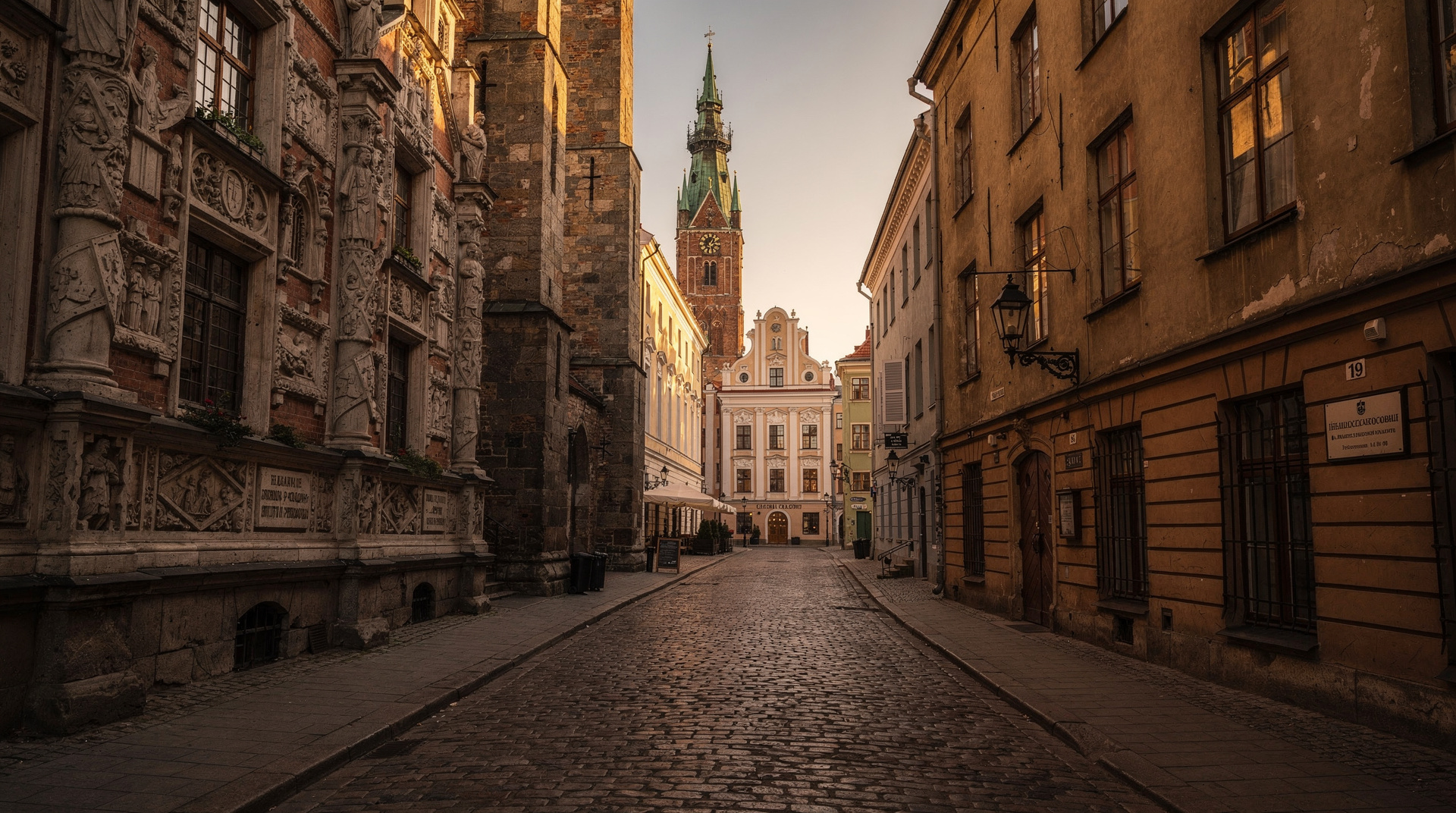
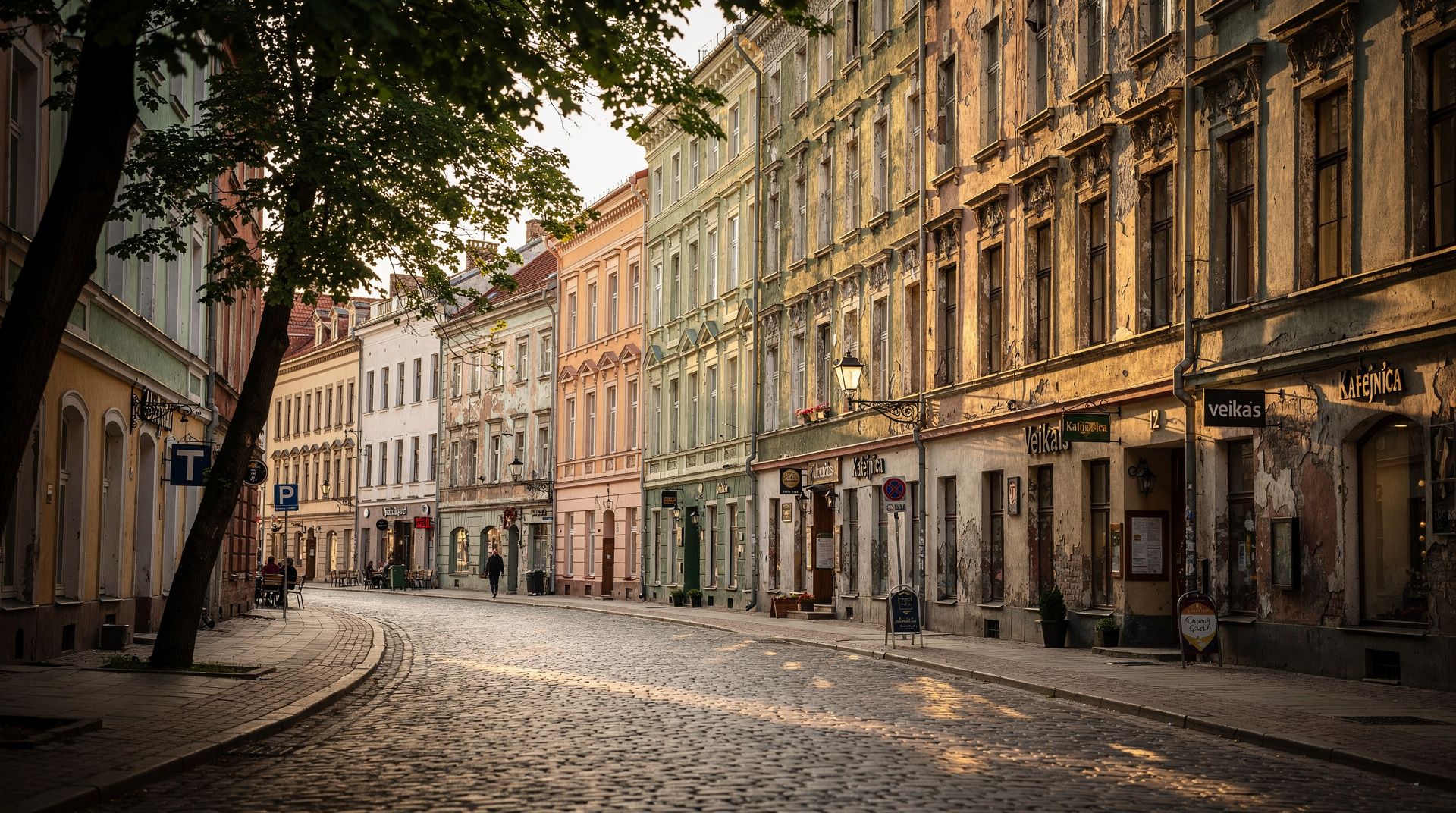
10:45 — Guided Old Town tour. The guided Old Town walking tour (€22, 2 hours) runs at 10:00 and 12:00 from Town Hall Square. This two-hour walk covers the complete historic core — Dome Cathedral, Three Brothers, Cat House, Swedish Gate, Riga Castle, Freedom Monument — with the Hanseatic and Soviet history context that makes every building meaningful. Book in advance in peak season.
13:00 — St. Peter’s Church viewing platform. €9 lift ticket, 72-metre view over the city. Good orientation for the afternoon.
Lunch (13:30–14:30)
Folkklubs Ala Pagrabs (Peldu iela 19) for traditional Latvian — pelmeni, pīrāgi, dark rye bread, local beer from €4. Mains €11–18. Lively atmosphere, walk-ins usually welcome at lunch.
Afternoon (15:00–18:00)
15:00 — Dome Cathedral interior. €3 entry (check concert schedule for organ performances at €14 via Dome Cathedral organ concert ticket). The interior is remarkable — medieval floor tiles, the world’s fourth-largest organ, extraordinary stained glass.
16:00 — Canal cruise. Canal and Daugava wooden boat cruise (€18, 1 hour). Departures every 30 minutes from the pier near the National Opera. Best views of the Old Town from the water, plus the full canal circuit.
17:15 — Canal-side parks. Walk the Bastejkalns park — free, beautiful, locals with dogs and children.
Evening (19:00–22:00)
Dinner at Bibliotēka No1 (Tērbatas iela 2, mains €20–30, modern Latvian, smart casual, reservation for evenings) or Folkklubs Ala Pagrabs if you did not eat there at lunch. Riga Black Magic Bar (Meistaru iela 9) for a Black Balsam cocktail before dinner.
Day 2: Art Nouveau district and Quiet Center
Morning (9:00–12:30)
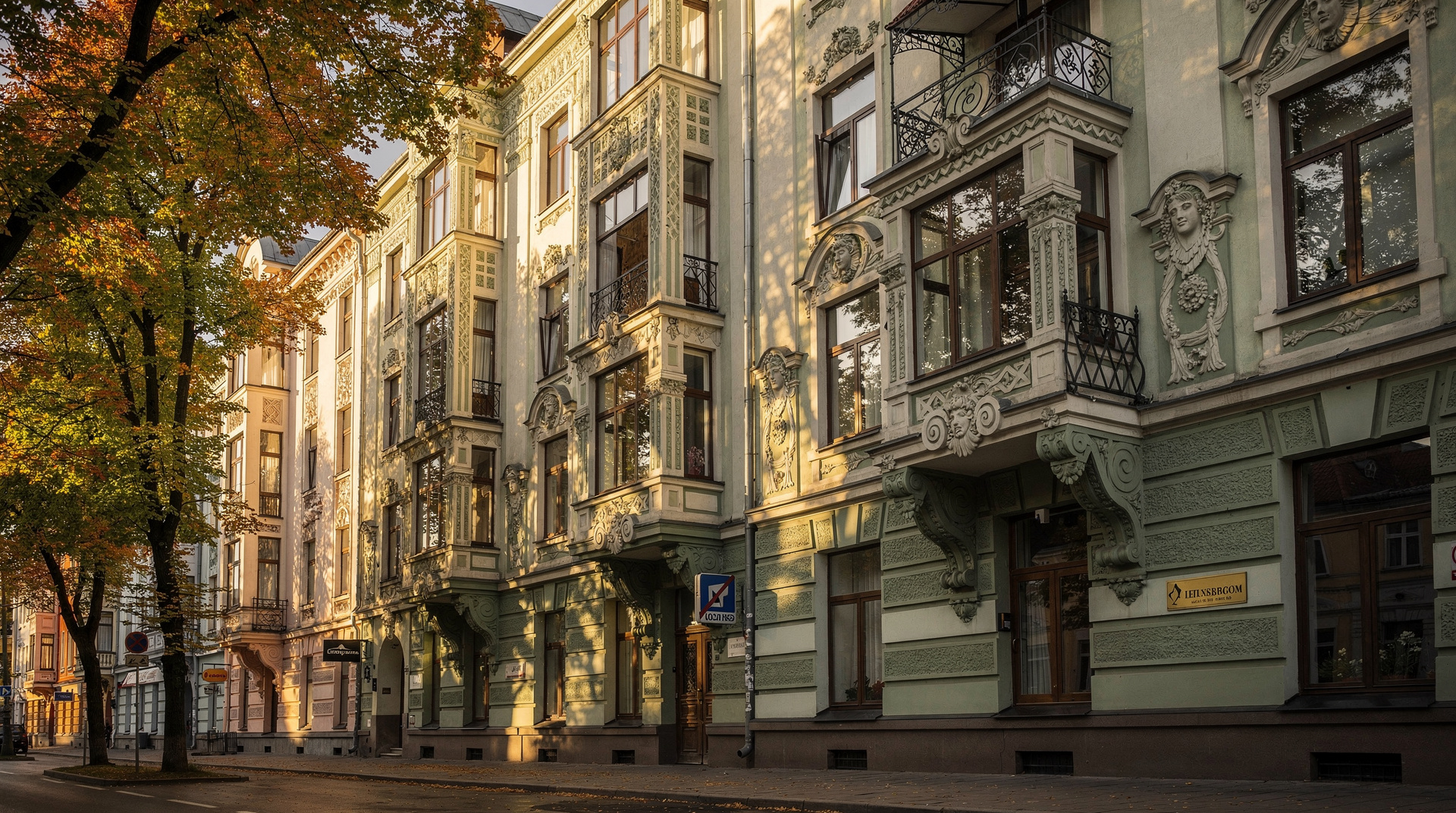
9:00 — Art Nouveau walking tour. Tram 11 from the Old Town to Alberta iela (10 minutes). The Art Nouveau history walking tour (€22, 2 hours) is the best way to see the world’s most concentrated Art Nouveau streetscape. Alberta iela, Elizabetes iela, and the extraordinary Mikhail Eisenstein facades are all covered with historical and architectural context. Pre-book for summer mornings.
11:15 — Art Nouveau Museum. Alberta iela 12, €8 entry (closed Monday). A completely preserved 1903 apartment interior — 45 minutes.
12:00 — Walk the embassy quarter. Continue south through the Quiet Center (Klusais centrs) — Raiņa bulvāris, Elizabetes iela. Free walk through the most architecturally dense neighbourhood in the Baltics.
Lunch (12:30–13:30)
Miera iela neighbourhood for lunch: Rocket Bean Roastery (coffee and light food, €8–14), Lauku Pirtiņa (Latvian, mains €10–16), or Croissant-Lab (€8–12). All notably better and cheaper than anything near the Old Town tourist circuit.
Afternoon (14:00–18:00)
14:00 — Museum of the Occupation of Latvia. Free entry, donation box at Rātslaukums 1. Covers Soviet and Nazi occupations 1940–1991 in depth. One of the best museums in the Baltics. Allow 1.5 hours.
16:00 — Freedom Monument and the esplanade. The Freedom Monument (Brīvības piemineklis) — Milda, as locals call her — marks independence. The Changing of the Guard happens hourly 9:00–18:00. The esplanade park behind it has the National Museum of Art (€6, Tuesday–Sunday).
17:00 — Panorama Riga. Panorama Riga observation deck (€8, Academy of Sciences, tram 7). Late afternoon light over the city. Open until 21:00 in summer.
Evening
Dinner at Vairāk Saules (Dzirnavu iela 60, mains €18–28, best contemporary Latvian restaurant in the city, book ahead on weekends). Or a walk through the New Town to a canal-side bar for craft beer before dinner.
Day 3: Jūrmala — Baltic Sea resort day
Morning (9:00–12:00)
9:00 — Train to Jūrmala. Walk to Riga Central Station (Centrālā stacija, 15 minutes from the Old Town, or tram 7 to Stacijas laukums). Pasažieru Vilciens trains to Jūrmala (direction: Dubulti, Sloka, or Ķemeri) depart every 20–30 minutes. Single fare €1.70, journey 20–30 minutes. Buy tickets at the station desk (there is no practical online booking for tourists; card payment works at the desk). Important: buy a single for Dubulti or Majori stop — these are the best Jūrmala access points.
Jūrmala entry zone notice: Since 2021, Jūrmala charges a seasonal “resort ticket” fee of €2–3 per person for non-residents entering by car. Train passengers are exempt — another reason the train is the right option.
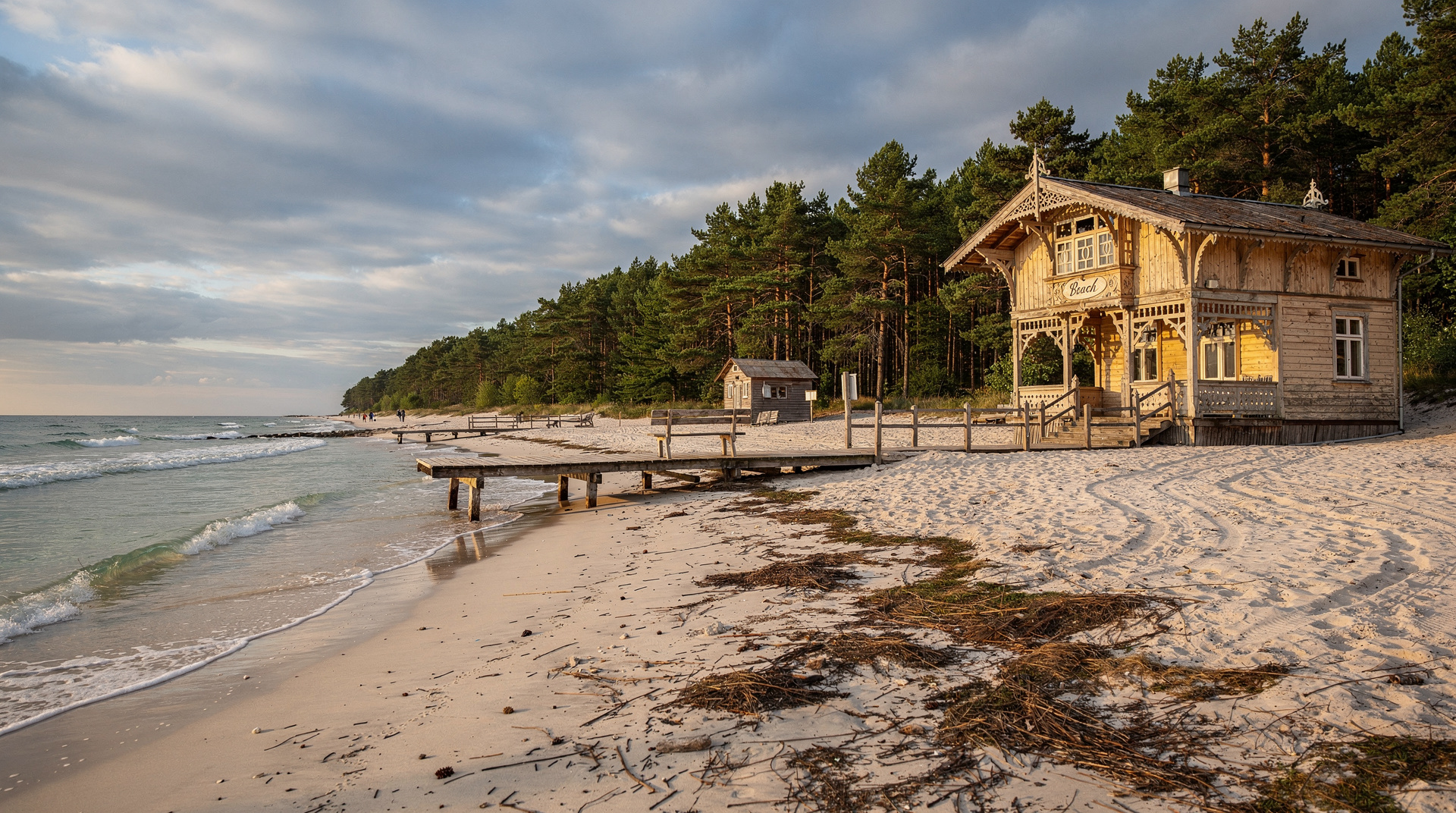
9:30 — Majori beach walk. From Majori station, walk through the pedestrian street (Jomas iela) to the beach — 10 minutes. Jūrmala’s beach is 33 kilometres long, white sand, backed by dunes and pine forest. The section between Majori and Dzintari is the most popular and has the best beach infrastructure (bars, sun loungers, facilities in summer). In May and October you will have it nearly to yourself.
10:00 — Wooden villa architecture tour (self-guided). Jūrmala’s other attraction is its collection of 19th and early 20th-century wooden villas — Romantic, Art Nouveau, and National Romantic style — many with intricate carved decorations. The best concentration is around Turaidas iela, Pilsoņu iela, and the streets north of Jomas iela. Pick up the free architecture map at the Jūrmala Tourism Information Centre (Jomas iela 42). Allow 1 hour on foot.
11:30 — Kemeri National Park option (full-day add-on). If you want to combine Jūrmala with Ķemeri bog boardwalk, the Ķemeri bog boardwalk and Jūrmala guided tour (€89, 6 hours, small group, hotel pickup available) covers both in one day. The Ķemeri bog is one of Latvia’s most atmospheric natural landscapes — wooden boardwalk over a vast raised bog, with remarkable birdlife. Combine with this itinerary by booking the tour for day 3 instead of going independently.
Lunch (12:00–13:30)
Lunch in Jūrmala. The restaurants along Jomas iela are aimed at tourists — prices are higher than Riga, food is variable. Better options: Orizzonte (Jomas iela 90, Mediterranean, mains €16–22, outdoor terrace, well-reviewed), Laibach (Jomas iela 63, good burgers and salads, €12–18), or buy supplies at the local supermarket (Norfa at Jomas iela 54) and eat on the beach.
Honest tip about Jūrmala pricing: Jūrmala is 15–20% more expensive than Riga in restaurants, particularly in July–August. Order the daily specials rather than the à la carte menu to get the best value.
Afternoon (13:30–17:00)
13:30 — Beach time. Rent a sun lounger (€5–10 in summer) or find your own spot on the wide sandy beach. The water is swimmable from late June to August (15–20°C). Outside this window, the beach walk in pine-scented air is still excellent.
15:30 — Dzintari Concert Hall. The open-air concert amphitheatre at Dzintari is one of the most elegant venues in the Baltics — wooden Art Nouveau architecture in a pine grove. Check the summer programme (July–August has regular concerts). Even without a concert, the exterior and the park around it are worth a 20-minute visit.
16:00 — Kemeri sulphur springs walk (optional). If you have extra time and energy, the old Kemeri resort area — 5 kilometres west of Jūrmala centre by local bus or taxi — has the 19th-century spa architecture and the sulphur spring park. Ķemeri Manor is currently being restored. The spring park is free to walk.
17:00 — Train back to Riga. Trains run every 20–30 minutes (Riga Central direction). Journey 20–30 minutes, €1.70. Back in Riga by 17:30–18:00.
Evening
Final dinner in Riga. Lido Atpūtas Centrs (Krasta iela 76, self-service Latvian buffet, €6–12, enormous portions, genuinely excellent value) for a casual last evening. Or return to a favourite from earlier in the trip. Airport bus 22 from Abrenes iela takes 30–35 minutes to RIX.
How to extend to 4–5 days
A fourth day can add the Central Market deep dive, Sigulda (train, 1 hour), or the Soviet history circuit in Riga. See our 4-day itinerary with Sigulda or 5-day itinerary with day trips.
Where to stay in Jūrmala (optional overnight)
Staying in Jūrmala one night and Riga two nights is a valid arrangement. Hotels: Lielupe SPA Hotel (4-star, doubles from €120, beach access, excellent spa), Jurmala Hotel (central, doubles from €90). Much quieter than Riga in the evenings.
Where to stay in Riga
Budget: Tree House Riga (doubles from €60), Naughty Squirrel Backpackers (private from €55).
Mid-range: Wellton Old Riga Palace (from €100), Centrum Riga (from €90).
Upscale: Grand Hotel Kempinski (from €250), Hotel Rome (from €180).
Honest tips for this 3-day Riga + Jūrmala itinerary
- The Jūrmala train is one of Europe’s great commuter journeys. The route runs through pine forests, past wooden dacha villas, and arrives at a 19th-century Baltic resort town — all for €1.70. Do not let anyone convince you to take a taxi for €45 when the train takes the same time.
- Go to Jūrmala on day 3, not day 1. The city needs time first. Jūrmala without the Riga context is just a beach with some old houses.
- The Art Nouveau Museum in Riga is closed on Mondays. Plan day 2 around this if you arrive on a Sunday.
- Jūrmala’s main pedestrian street (Jomas iela) is tourist-facing. The interesting wooden villa architecture is on the perpendicular streets north of it — Turaidas, Pilsoņu, Bulduri.
- Sun lounger rental on the beach is optional, not mandatory. The public beach is free; rental is just for convenience.
- Do the canal cruise on day 1. It operates May–October. If you are visiting in shoulder season, confirm it is running before you build the day around it.
- Check the Ķemeri bog tour availability in advance. It is a small-group tour and is popular with nature photographers — fill rate is high in May–September.
Frequently asked questions about Riga + Jūrmala in 3 days
Is Jūrmala worth visiting from Riga?
Yes, particularly in summer. The combination of 19th-century wooden villa architecture, long sandy beach, and pine forest is unique in the Baltics. The 20-minute train journey makes it an easy day trip. The beach is not warm enough for serious swimming outside July–August, but the architectural walk and the pine-scented beach promenade are good in any season.
How do I get from Riga to Jūrmala?
Pasažieru Vilciens (Latvian State Railway) from Riga Central Station. Direction Dubulti or Sloka — both pass through Majori (the most central stop). Journey 20–30 minutes, €1.70 single. Trains run every 20–30 minutes. Buy tickets at the station counter or from automated machines (card payment works).
Can I swim at Jūrmala?
The sea temperature peaks at 18–20°C in late July and August — swimmable for people who swim at the cold end of the temperature range. The beach itself (wide, white sand, backed by dunes and pines) is beautiful even outside swimming season. Most visitors come for the architecture, the walks, and the beach café atmosphere rather than serious swimming.
Is Jūrmala expensive compared to Riga?
Approximately 15–20% more expensive at restaurants, particularly in summer. The beach infrastructure (sun loungers, umbrellas) costs €5–10/day. The train fare is trivially cheap. Overall a day in Jūrmala costs €40–70 per person including lunch and beach activities.
What is the best time to visit Jūrmala?
June and September are ideal — good weather, long days, but fewer crowds than July–August. July and August have the warmest sea but also the most tourists and highest prices. October–May is very quiet; the architecture is still beautiful but most beach cafés and facilities close.
Can families with children do this itinerary?
Yes, easily. The train to Jūrmala is straightforward with children. The beach is wide and shallow near the shore. Jūrmala has a children’s play area near Majori and a good selection of family-friendly café terraces. In Riga, the canal cruise and the St. Peter’s viewing platform are both good for children. For a fuller family-specific plan, see our Riga weekend with kids itinerary.
Is Jūrmala better as a day trip or an overnight stay?
For most travellers on this 3-day plan, a day trip is enough — Jūrmala’s core sights (beach, wooden villas, Dzintari) fit comfortably into 7–8 hours. An overnight is worth considering only if you want a genuinely slow beach evening or are visiting in peak summer and want to avoid the day-trip crowds around midday. See “Where to stay in Jūrmala” below if you decide to split a night there.
What to pack for a Riga + Jūrmala trip
This itinerary spans two very different environments — cobbled Old Town streets and a sandy Baltic beach — so pack for both. Comfortable walking shoes cover the Old Town and Art Nouveau days; bring a second pair of sandals or flip-flops for the Jūrmala beach day so you are not walking sand back into hotel shoes.
A swimsuit is worth packing even outside peak summer, since some visitors do brave the cooler water in June and September and a beach towel is easy to pick up in Jūrmala if needed. Sunscreen matters more at the coast than in the city — the reflection off sand and water is stronger than the inland Old Town sun. A light rain layer is sensible year-round, and if visiting the Ķemeri bog boardwalk, closed shoes are worth having since the wooden planks can be uneven.
Riga public transport — how to use it for this itinerary
This itinerary uses public transport for three routes where it is clearly the right choice:
Bus 22 to/from RIX Airport. Departs from outside the terminal, Abrenes iela in the city. €1.50 per ride. Card payment works. Journey 30–35 minutes. The bus runs every 10–15 minutes (check stops at Abrenes/Centrālā stacija area, 10 minutes from the Old Town on foot or one tram stop).
Tram 11 to the Art Nouveau district. From Brīvības/Elizabetes junction in the New Town (15 minutes walk from the Old Town) to Alberta iela. €1.50 single. Alternatively tram 15 from the Old Town area (Tērbatas/Brīvības) works for the same route.
Pasažieru Vilciens to Jūrmala. Riga Central Station (Centrālā stacija, visible from the Central Market area). Direction: Dubulti, Sloka, or Ķemeri. All pass through Majori. €1.70 single, 20–30 minutes. Buy at the ticket counter; cash or card. The automated machines work for domestic routes.
Tram 7 to the Central Market. From the Old Town area (various stops on Brīvības bulvāris or Aspazijas bulvāris) to the market. €1.50. 2–3 stops.
Bolt (app-based taxi): Set the destination in the app before entering. Average fare in central Riga is €5–9. Airport to Old Town is €10–15. The app shows the fare before you confirm — there are no surprises. Never negotiate a price with a driver outside the app. Street taxis at the Old Town entry points are not regulated and routinely charge 2–4× the Bolt price for the same journey.
If you only have time for a half-day in Jūrmala
Not every itinerary allows a full Day 3. If you can only spare a half day, prioritise the Majori-to-Dzintari beach walk and the wooden villa streets around Turaidas iela — skip the Ķemeri sulphur springs and the full concert hall detour. Catch a morning train (departures every 20–30 minutes), spend two to three hours between the beach promenade and the architecture, and be back in Riga in time for a normal lunch. This trims the day-trip cost to roughly €20–30 per person including the return train fare and a coffee, and still delivers the core reason to visit — the contrast between Riga’s medieval core and this pine-forest seaside town.
Jūrmala in depth — what to know before you go
The wooden villa architecture. Jūrmala’s 19th and early 20th-century wooden villas are a UNESCO candidate. They represent the full arc of Latvian residential architecture from Romantic (1860s–1880s) through Art Nouveau (1900–1914) to National Romantic (1905–1915). Many are private residences, some are hotels or guesthouses, and a few are open as museums. The best-preserved concentration is on Turaidas iela, Pilsoņu iela, and Bulduri — streets that are almost tourist-free even in high summer.
The resort history. Jūrmala became a resort in the 1870s when the Riga–Tukums railway opened. Baltic German aristocracy, Russian merchants, and Latvian intellectuals all built summer residences here. During the Soviet period, Jūrmala was the primary Baltic resort — Soviet-era sanatoriums and rest houses for party officials and workers’ unions occupied many of the historic villas. After independence, the Soviet facilities were privatised; some became modern spa hotels, some deteriorated.
The Dzintari concert hall. The 1936 wooden open-air concert hall at Dzintari is one of the most beautiful performance spaces in the Baltics. The summer programme (July–August) includes classical concerts, jazz, folk music, and children’s events. Even without a concert, the building and its pine-grove setting are worth 20 minutes. The Jūrmala summer music festival in July is one of the most important cultural events in the Baltic calendar.
Ķemeri spa resort. West of the main Jūrmala resort area, the historic Ķemeri spa complex (1936 sanatorium building, sulphur springs, rose park) is currently being restored. The area around the springs and the overgrown formal garden has a haunting, slightly surreal quality — crumbling grandeur in the forest. The full Ķemeri National Park bog boardwalk (15 km west of Jūrmala) is accessible via taxi or the Ķemeri bog boardwalk and Jūrmala guided tour (€89).
Comparing Jūrmala to Riga’s other easy day trips
Jūrmala is not the only easy escape from Riga, and it is worth knowing how it stacks up against the alternatives before committing a full day of a short trip to it.
| Day trip | Travel time | Best for | Cost |
|---|---|---|---|
| Jūrmala | 20–30 min train | Beach, Art Nouveau villas | €1.70 train + €40–70 spend |
| Sigulda | ~1 hr train | Medieval castles, hiking, Gauja valley | €3 train + activities |
| Cēsis | ~1.5 hr train | Compact medieval old town, castle ruins | €4 train + activities |
For a first 3-day trip, Jūrmala remains the easiest and lowest-effort choice — no early start required, minimal walking beyond the beach promenade, and a genuinely different environment from the city. Sigulda and Cēsis reward a longer stay; see our 4-day itinerary with Sigulda if castles interest you more than sand.
Further reading for this itinerary
- Jūrmala day trip from Riga — complete guide
- Getting from Riga to Jūrmala by train
- Ķemeri National Park visiting guide
- Baltic Sea beaches near Riga
- Riga 3-day classic itinerary
- Riga 4-day with Sigulda itinerary
Top experiences
Bookable activities with verified prices and instant confirmation on GetYourGuide.
Riga: guided Old Town walking tour
- Free cancellation
- Small group
- English guide
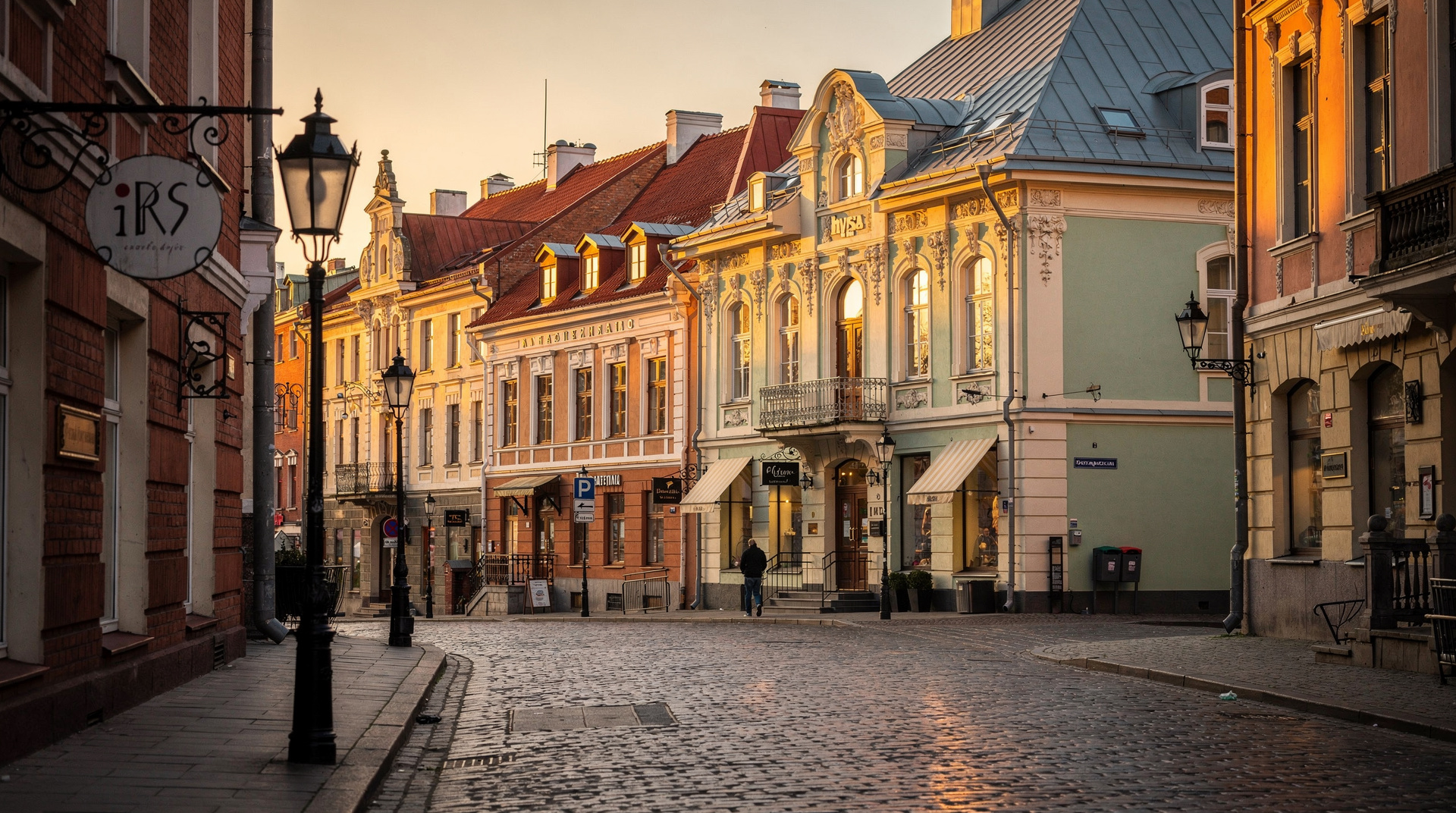
Riga: 2-hour history of Art Nouveau walking tour
- Free cancellation
- Small group
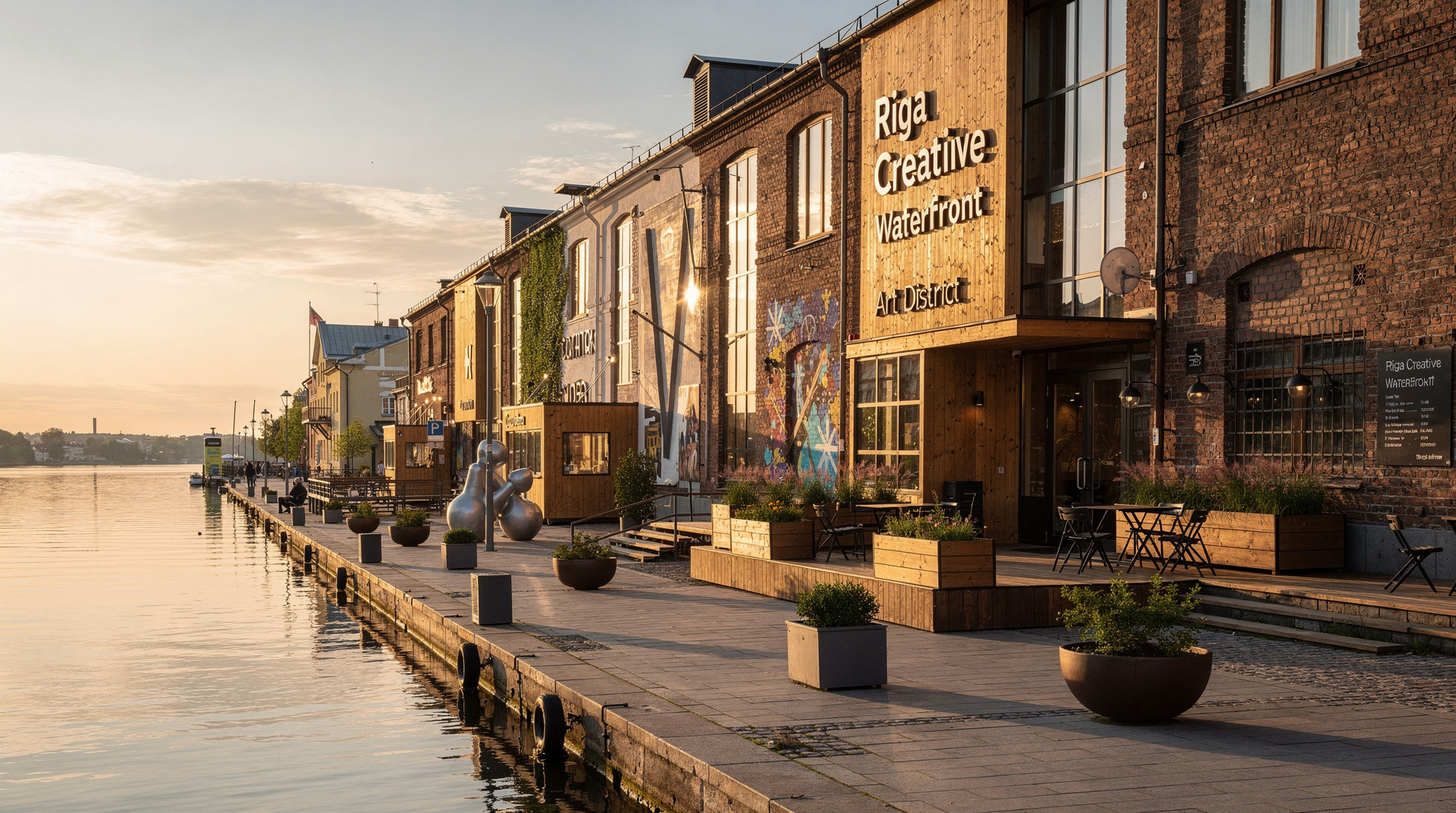
Riga: canal and Daugava cruise on a historic wooden boat
- Free cancellation
- Best seller
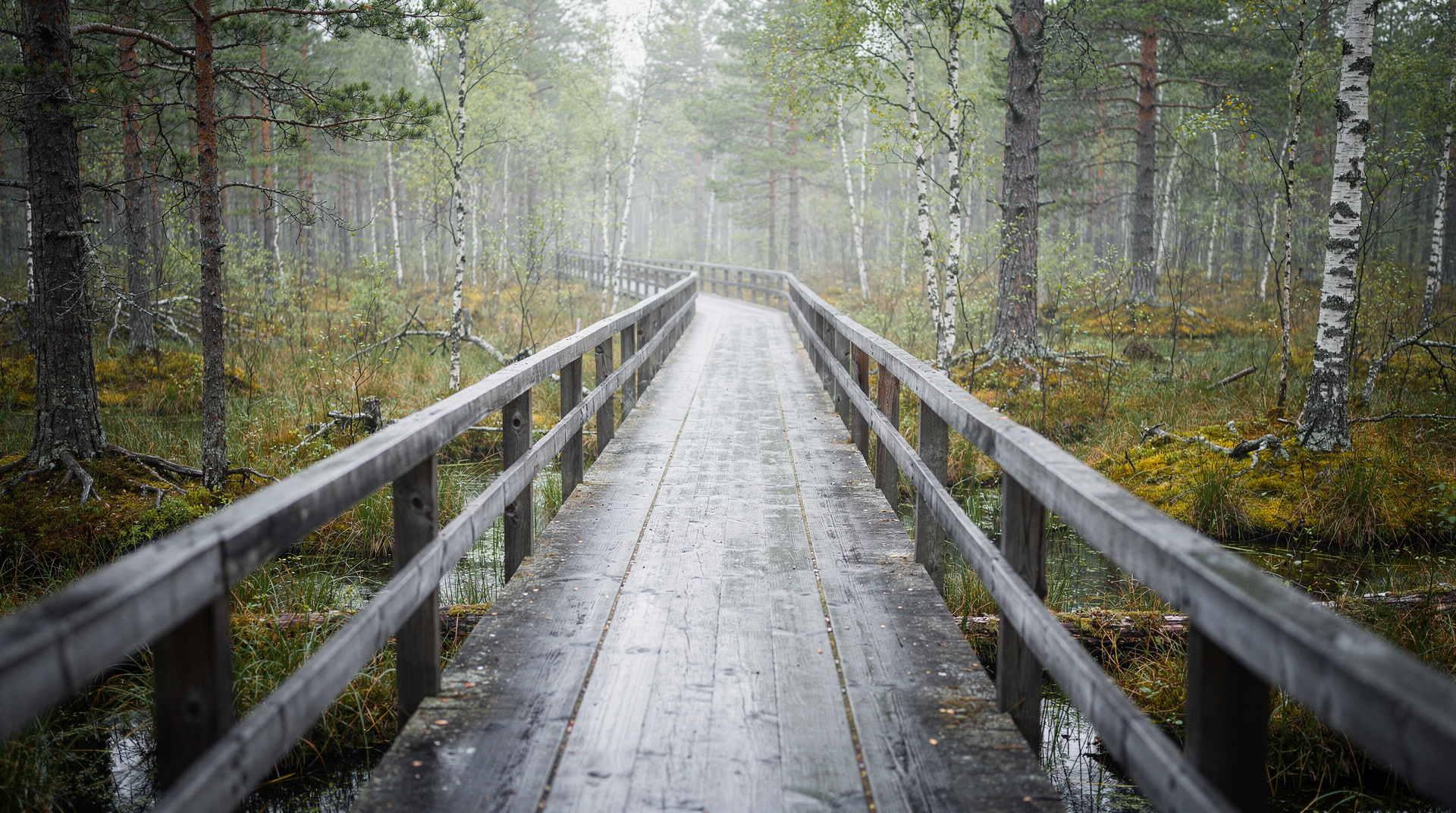
From Riga: Ķemeri bog boardwalk and seaside Jūrmala
- Small group
- Free cancellation