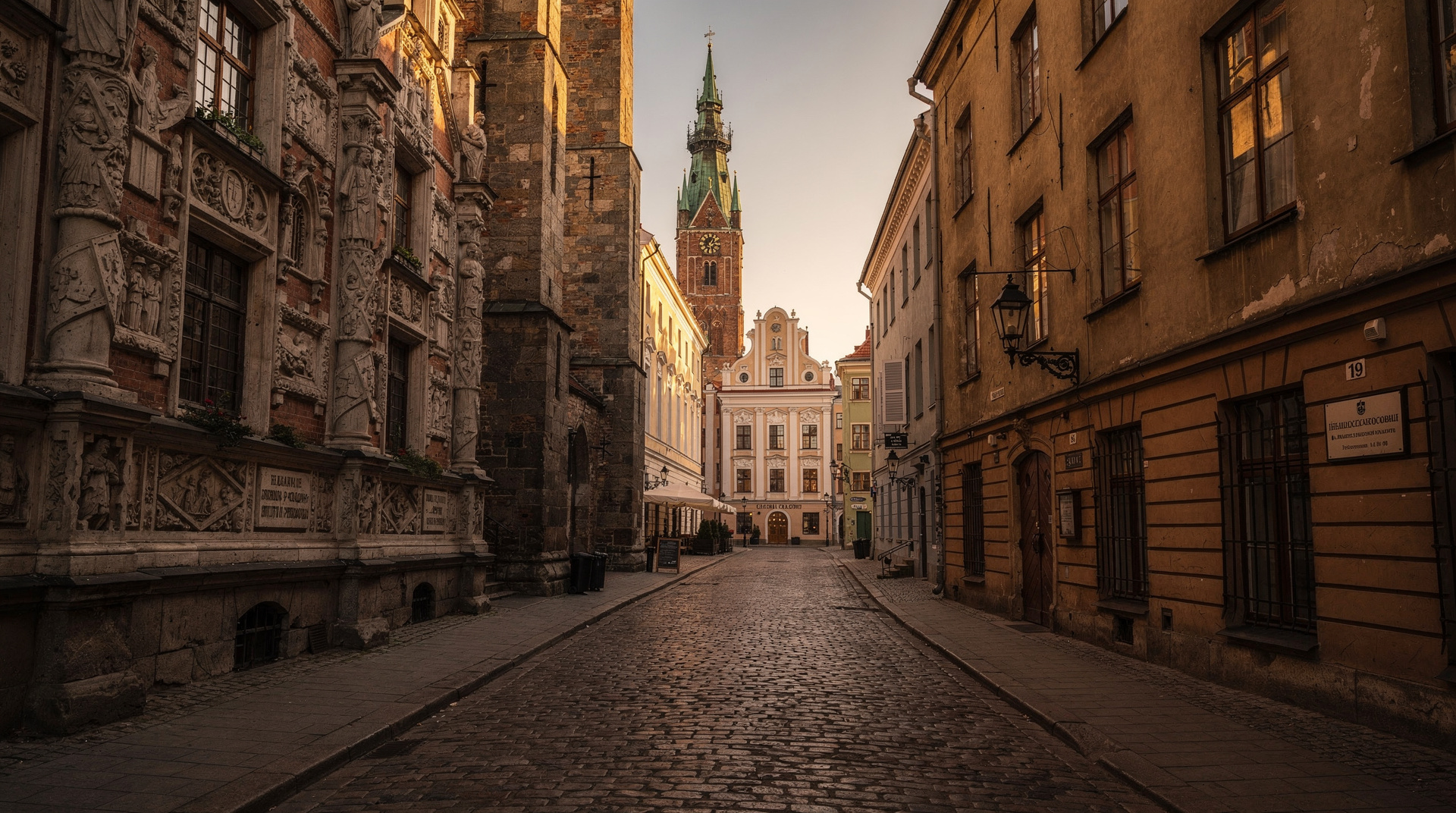
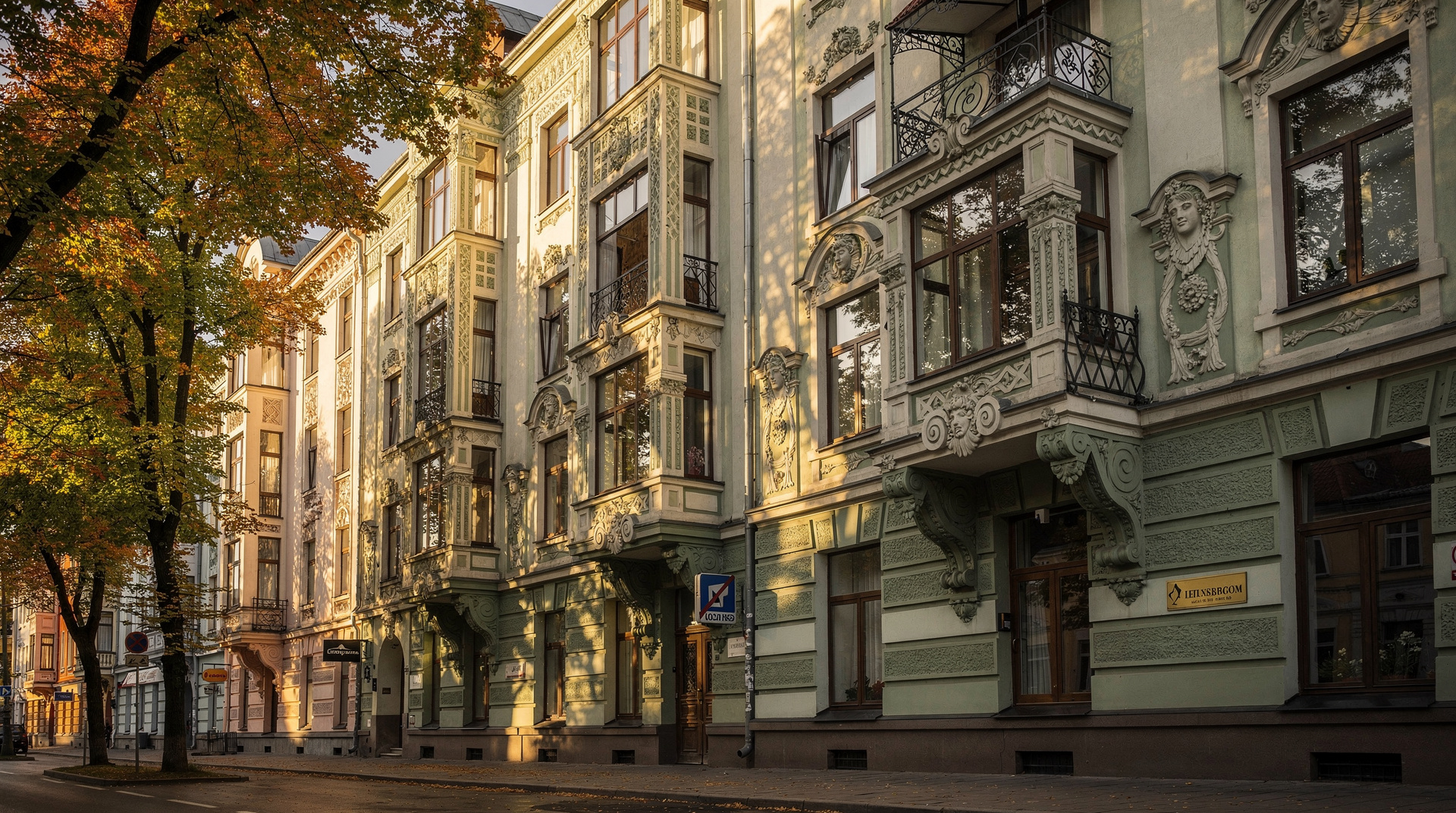
4 days in Riga with Sigulda: castles, national park, and city highlights
From Riga: Cēsis, Sigulda and Turaida Castle tour
Duration: 10 hours
- Hotel pickup
- Free cancellation
- Best seller
Why Sigulda is the perfect 4th-day addition to a Riga trip
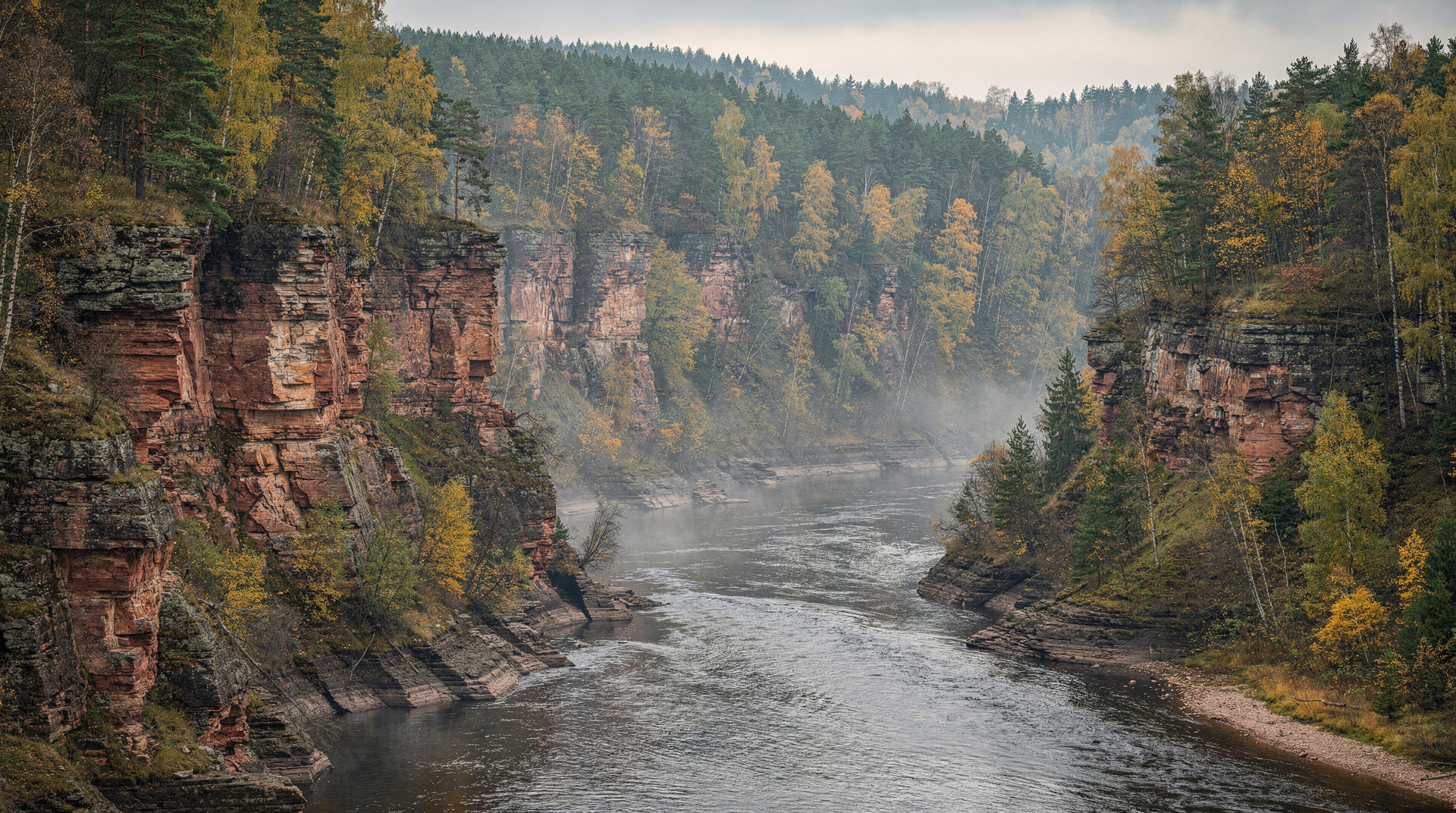
Sigulda sits 53 kilometres northeast of Riga, one hour by Pasažieru Vilciens train (€3 single). It is the gateway to Gauja National Park — Latvia’s largest national park, a forested river valley with medieval castle ruins, sandstone cliffs, and 15 kilometres of walking trails. Adding Sigulda on day 4 of a Riga trip transforms a good city break into a genuinely varied experience: medieval cobblestones, extraordinary architecture, canal water, and then forest, castles, and a river canyon.
The Gauja valley in autumn (September–October) turns extraordinary shades of orange and red — arguably the best season for this itinerary. In summer (June–August), Sigulda adds the summer bobsleigh on the Olympic track — one of the few places in the world where ordinary tourists can ride the same track as Olympic athletes.
Total estimated budget, 2 people, 4 days: €700–900. Per person: €350–450.
Trip essentials at a glance
| Where | Riga Old Town, Art Nouveau district, Sigulda + Gauja National Park |
| Cost | around €643 per person for 4 days |
| Time needed | 4 days, 3 nights |
| Getting there | Bus 22 from RIX; train to Sigulda, €3 |
| Best time | June–August for bobsleigh; September–October for foliage |
At a glance
- Day 1: Riga Old Town — guided walk, Blackheads, canal cruise
- Day 2: Art Nouveau district, Quiet Center, evening dinner
- Day 3: Sigulda and Gauja National Park — castle ruins, Gūtmaņala Grotto, Turaida Museum Reserve
- Day 4: Central Market, Maskavas Forštate, departure
Day-by-day summary
| Day | Focus | Highlights | Approx. cost |
|---|---|---|---|
| Day 1 | Old Town | Blackheads, guided walk, canal cruise | €160 pp |
| Day 2 | Art Nouveau | Alberta iela, Occupation Museum | €160 pp |
| Day 3 | Sigulda/Gauja | Castles, Gūtmaņala Cave, Turaida | €200 pp |
| Day 4 | Central Market | Food, Maskavas Forštate, departure | €123 pp |
Budget breakdown (real EUR, per person)
| Item | Cost |
|---|---|
| Hotel mid-range (3 nights) | €110/night × 3 = €330 |
| Airport bus 22 (return) | €3 |
| Old Town guided tour | €22 |
| House of the Blackheads | €7 |
| Canal cruise | €18 |
| Art Nouveau tour | €22 |
| Sigulda train (return) | €6 |
| Sigulda/Gauja organised tour (option) | €95 |
| Meals (€35/day × 4) | €140 |
| TOTAL per person | €643 |
USD approx $705. GBP approx £555.
Day 1: Riga Old Town
Morning (9:00–13:00)
9:00 — Airport to city. Bus 22 from RIX (€1.50, 30 minutes). Breakfast at Innocent café (Audēju iela). House of the Blackheads at 9:30 — pre-book the entrance ticket (€7). Explore Town Hall Square, then join the guided Old Town walking tour (€22, 2 hours, departs 10:00 or 12:00 from Rātslaukums). Dome Cathedral interior (€3) after the tour.
Lunch (13:30–14:30)
Bergs Bazaar (Marijas iela 13) — Burgundijas Māja, mains €14–22. Or Folkklubs Ala Pagrabs (Peldu iela 19), traditional Latvian, mains €11–18.
Afternoon (15:00–17:30)
15:00 — Canal boat cruise. Canal and Daugava wooden boat cruise (€18, 1 hour). Then walk the canal-side Bastejkalns park and view the Freedom Monument.
17:00 — St. Peter’s Church viewpoint. €9 lift to the 72-metre platform for the city panorama.
Evening
Dinner at Folkklubs Ala Pagrabs (mains €11–18, Latvian folk atmosphere). Riga Black Magic Bar for one round of Black Balsam cocktail (€8).
Day 2: Art Nouveau district
Morning (9:00–12:30)
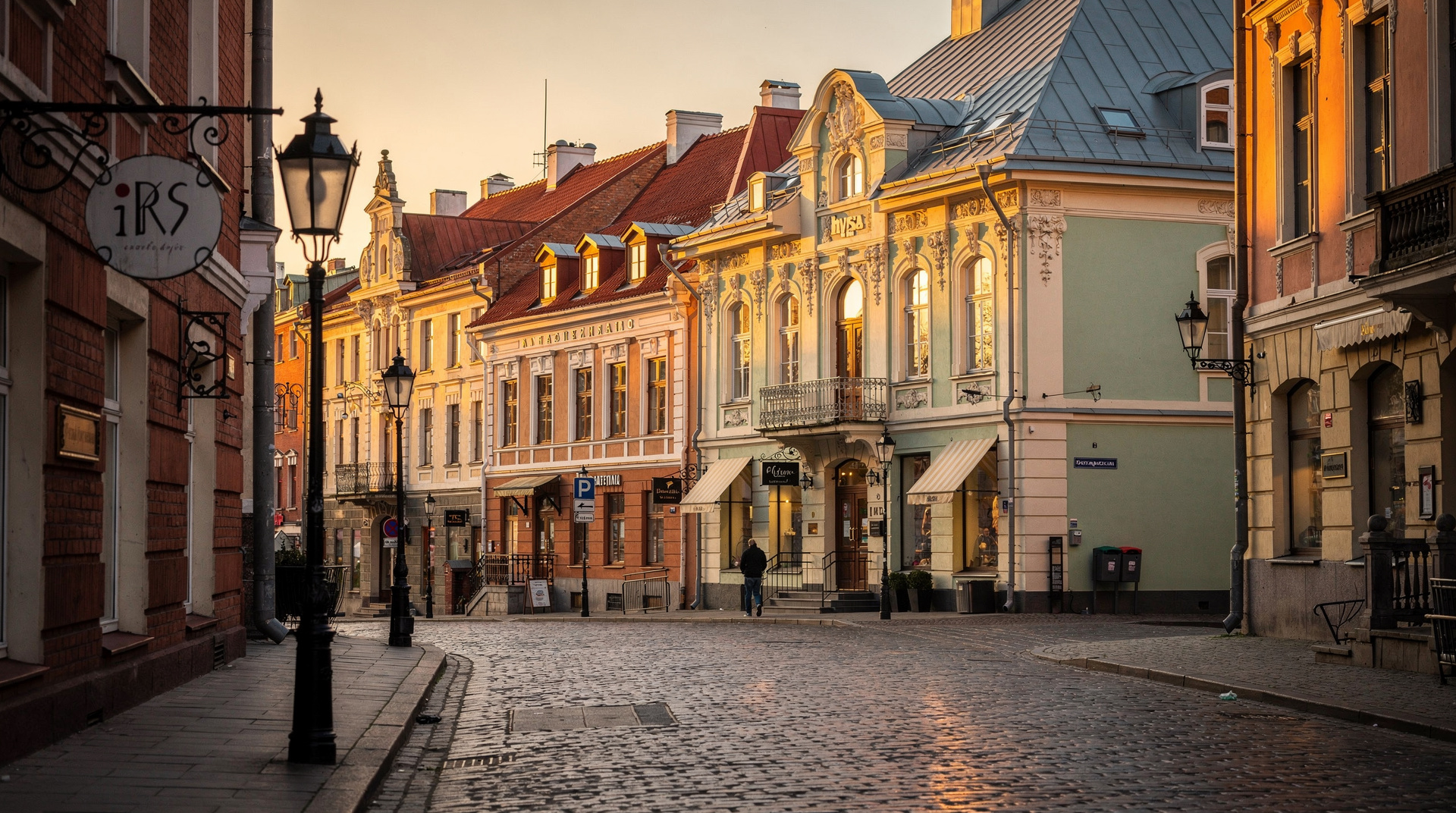
Tram 11 to Alberta iela. Art Nouveau history walking tour (€22, 2 hours). Then Art Nouveau Museum at Alberta iela 12 (€8, closed Monday). Self-guided walk through the Quiet Center embassy quarter.
Lunch
Miera iela neighbourhood — Rocket Bean Roastery (€8–14), or Lauku Pirtiņa (€10–16, Latvian). Both significantly better and cheaper than the Old Town tourist circuit.
Afternoon (14:00–18:00)
14:00 — Museum of the Occupation. Free, 1.5 hours at Rātslaukums 1. Essential context for Latvian history.
16:00 — Āgenskalns market (optional). Bus 5 or 9 across the Daugava to the renovated Āgenskalns tirgus — local food, craft beer, relaxed neighbourhood atmosphere. Good pre-Sigulda afternoon break.
17:30 — Panorama Riga. Observation deck at the Academy of Sciences (€8). Open until 21:00.
Evening
Dinner at Vairāk Saules (Dzirnavu iela 60, modern Latvian, mains €18–28). Early to bed — Sigulda is a long day.
Day 3: Sigulda and Gauja National Park
This is the day that makes a 4-day Riga itinerary significantly better than a 3-day one.
Option A: Organised group day trip (recommended for first-timers)
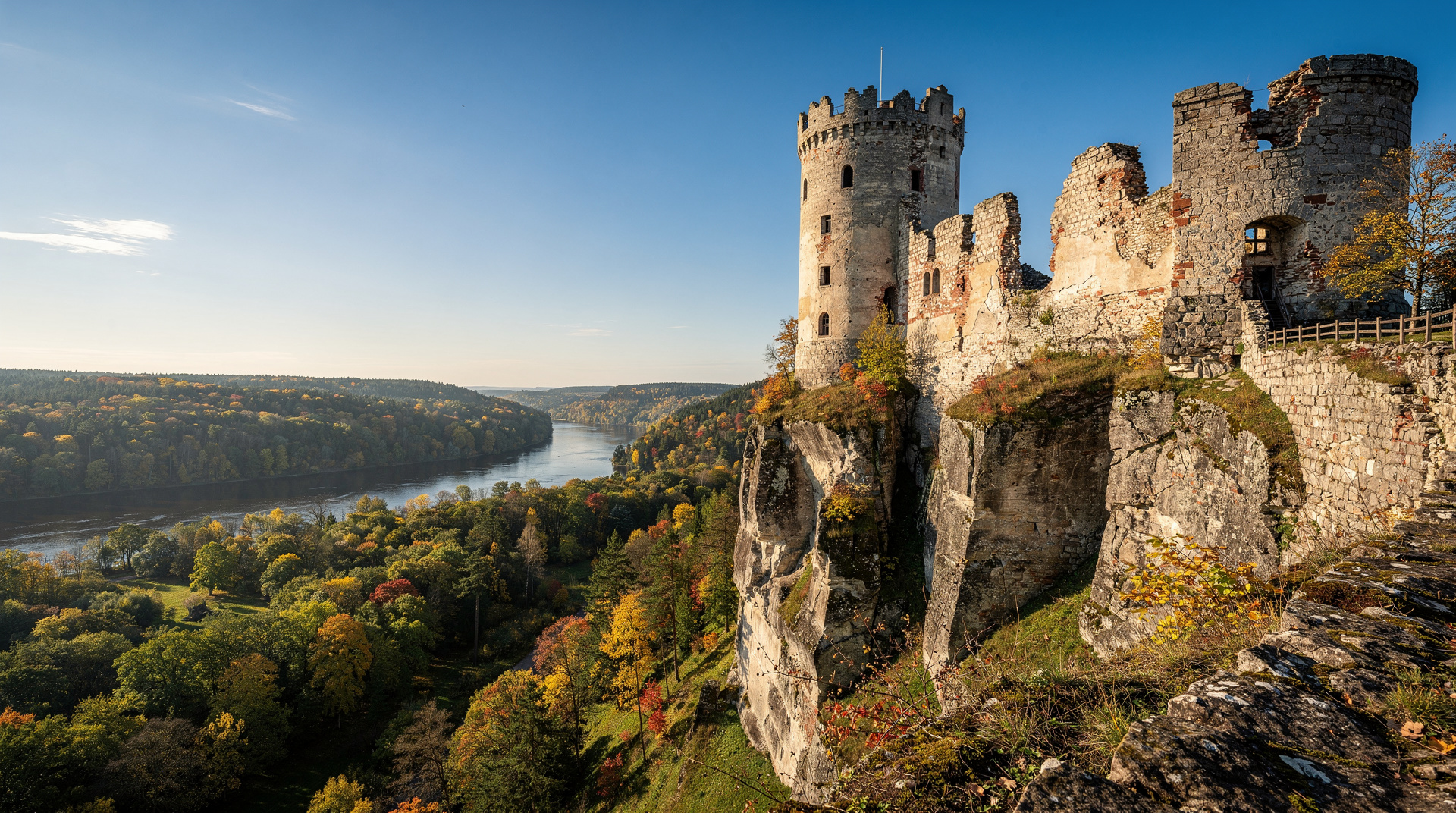
The Cēsis, Sigulda and Turaida Castle group day tour (€95 per person, 10 hours, hotel pickup available) is the most efficient way to see Sigulda if you do not want to figure out local buses and walking distances yourself. The tour covers Sigulda Castle ruins, Turaida Museum Reserve (the red castle above the Gauja valley), Gūtmaņala Cave (the largest sandstone cave in the Baltics), and Cēsis — a medieval town an hour north of Sigulda. All with an English-speaking guide who provides the history. Hotel pickup from Riga, back by 19:00.
What you see:
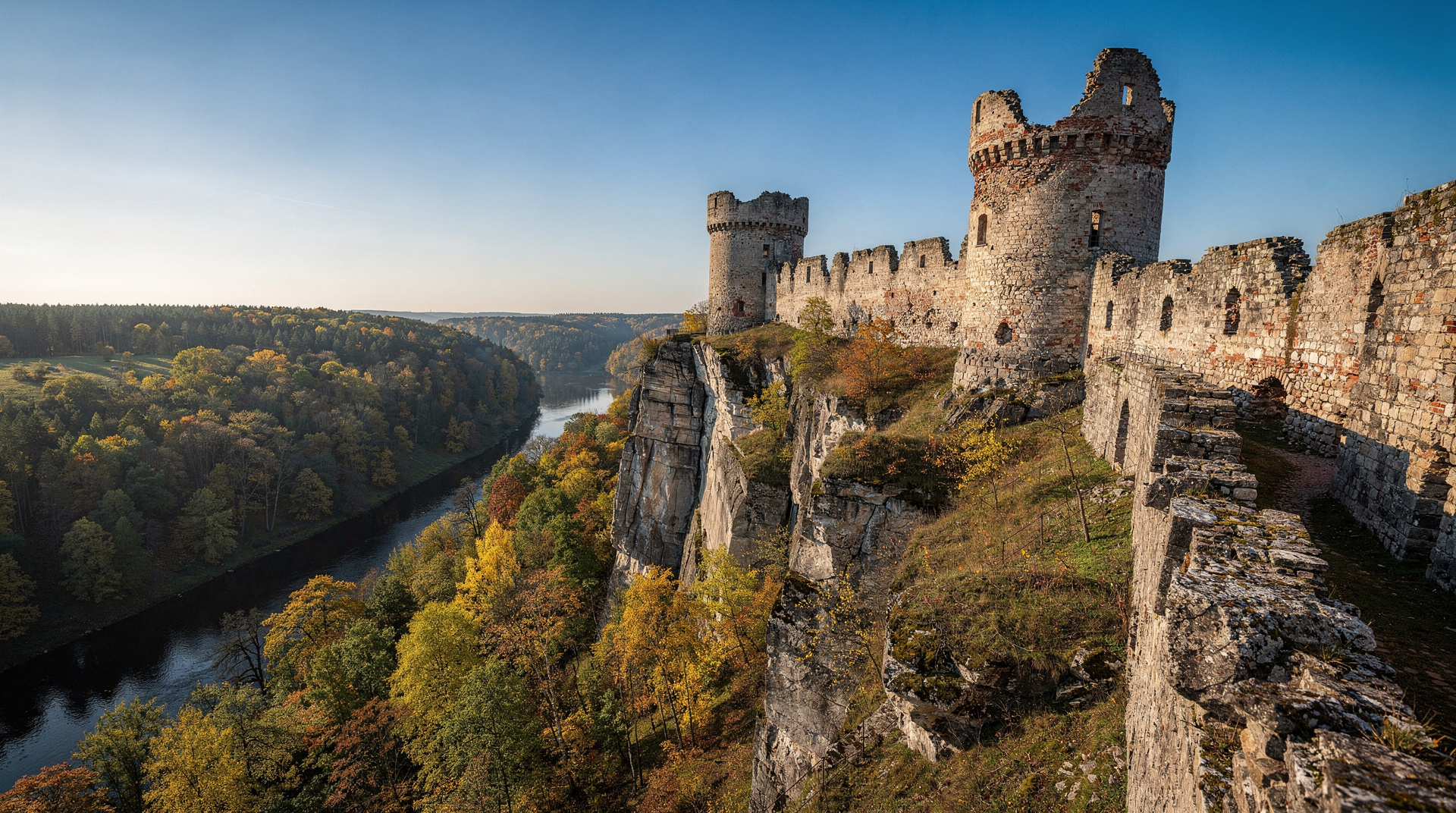
- Sigulda Castle ruins (13th century, Livonian Order): partially preserved towers above the Gauja valley
- Turaida Museum Reserve (€7 entry if self-guided): red brick castle rebuilt in 1214 style, with a remarkable view over the Gauja valley from the main tower
- Gūtmaņala Cave: the largest cave in the Baltics, inscriptions dating from 1668, carved by centuries of visitors
- Cēsis (optional, tour-dependent): Latvia’s most charming small town, 13th-century castle, medieval core
Option B: Self-guided by train
Train from Riga Central Station to Sigulda (1 hour, €3 single, departs every 1–2 hours). From Sigulda station, everything is walkable (1–3 km radius) or accessible by local bus or taxi.
Self-guided Sigulda day plan:
10:00 — Arrive Sigulda. Walk 1.5 km to Sigulda Castle ruins and Sigulda New Castle (now the municipality office, exterior only).
11:00 — Cable car across the Gauja valley. The 1 km aerial tramway crosses the Gauja River to Krimulda — €3 one way. Remarkable view of the valley.
12:00 — Walk to Gūtmaņala Cave. 3 km walk along the Gauja valley from the cable car landing (or taxi from Sigulda station, €5). The sandstone cave has natural inscriptions from 1668 to the 20th century.
13:30 — Lunch. Aparjods restaurant (near Sigulda castle, Ventas iela 1, mains €12–18, Latvian food with outdoor terrace) or packed lunch.
15:00 — Turaida Museum Reserve. Taxis from Gūtmaņala Cave to Turaida (€5, 3 km), or 45-minute walk through the pine forest. Reserve entry €7. The red castle tower gives the best view in Gauja National Park. The rose garden and folk song monument are beautiful in summer.
17:00 — Summer bobsleigh (April–September only). If you want adrenaline, the Sigulda summer bobsleigh on the Olympic track (€68 including transfer from Riga, or €40 for the ride if self-guided) is one of the most unusual experiences in the Baltics. The same track used in World Cup skeleton and bobsleigh races, open to tourists in summer on wheeled sleds. Pre-booking is essential; sold out dates are common in summer.
19:00 — Train back to Riga. Hourly trains, 1 hour, €3.
Evening
Arrive back in Riga by 20:00. Dinner near the hotel — something simple after a long day. Pelmeni XL (Kaļķu iela 7) for quick, cheap, very good traditional dumplings (€5–9).
Day 4: Central Market, departure
Morning (9:00–12:00)
9:00 — Central Market. Tram 7 to Centrāltirgus (former Zeppelin hangars). If you have not done the guided food tour, spend 1.5 hours exploring independently — fish pavilion, dairy pavilion, the produce market on the east side. Buy smoked sprats (€3), grey pea salad (€2), rye bread (€1.50) for breakfast in the market.
10:30 — Maskavas Forštate walk. 30 minutes south through the Jewish heritage area — wooden buildings, Float café (Maskavas iela 14), the Riga Ghetto and Holocaust Museum (€5) if you have time and inclination.
Lunch (12:00–13:00)
Lido Atpūtas Centrs (Krasta iela 76, across the river, bus from the Central Market, self-service Latvian buffet, €6–12) for a proper, cheap, hearty last meal. Or Bergs Bazaar if you prefer the Old Town area.
Afternoon and departure
13:00 — Final Old Town walk. Stroll to the Old Town for anything missed earlier — Three Brothers exterior, the Swedish Gate, the Cat House. Free.
15:00 — Bus 22 to RIX. Allow 30–35 minutes plus 2 hours before departure. The journey is direct and reliable.
Packing for the Sigulda day
Sigulda day requires different packing from the two city days. Proper closed walking shoes matter here — the paths between Gūtmaņala Cave and Turaida are dirt and can be muddy after rain, unlike the paved Old Town. Bring layers: the valley floor near the river is noticeably cooler than Sigulda’s exposed viewpoints, even in summer. If you are doing the summer bobsleigh or Aerodium, wear clothes you do not mind getting a little wind-blown or dusty. A water bottle is worth carrying, since the walking distances between sites add up and refill points are sparser than in central Riga.
How to extend to 5 days
A fifth day can add Jūrmala (train, 20 minutes), Cēsis independently (if you did the guided day trip without time in Cēsis), or the Jewish heritage circuit in Riga with the Latvian Ethnographic Open-Air Museum. See our 5-day Riga itinerary with day trips.
Where to stay
Budget: Naughty Squirrel (Old Town, from €55/double), Tree House Riga (from €60).
Mid-range: Wellton Old Riga Palace (from €100), Pullman Riga Old Town (from €130).
Upscale: Grand Hotel Kempinski (from €250).
In Sigulda (optional overnight): Hotel Sigulda (from €70, quiet, convenient for early morning walks before the day-trippers arrive from Riga).
Honest tips for this 4-day itinerary
- The organised Sigulda/Cēsis tour is worth it over self-guided for first-timers. The local bus connections from Sigulda to Turaida and Gūtmaņala are infrequent and confusing. The tour eliminates the logistical friction.
- Book the summer bobsleigh well in advance. It sells out for specific time slots, and the Sigulda track is the main attraction for many visitors. Last-minute booking in July–August is often impossible.
- Gauja valley in autumn is extraordinary. The October colours in the Gauja valley are among the best in the Baltics. If you are flexible, September–October is the best time for Sigulda.
- Sigulda’s walking distances are deceptive. The castle, Gūtmaņala, and Turaida are all 2–4 km from each other. Wear comfortable shoes and factor in walking time.
- The Aerodium wind tunnel near Sigulda (indoor freefall simulation) is open April–October and is popular with adventure-seekers. See our Aerodium review. Seasonal — confirm opening before building a day around it.
- Train tickets for Sigulda are not bookable online for tourists. Buy at the station desk on the day. Trains are reliable and rarely full.
Getting the most from Gauja National Park
Gauja National Park covers 920 square kilometres of ancient river valley — the largest protected area in Latvia. The Gauja River cuts through Devonian sandstone formations 20–40 metres deep, creating the most dramatic landscape in the Baltic lowlands. Understanding what makes the park extraordinary helps you prioritise when time is limited.
Sandstone caves and cliffs: The river valley walls are Devonian sandstone approximately 370 million years old, eroded by the Gauja into cliffs, caves, and overhangs. Gūtmaņala Cave (the largest, accessible from Sigulda) is the most visited; the valley between Sigulda and Cēsis has dozens of smaller caves visible from the river path. The red and ochre sandstone develops striking patterns of horizontal stratification.
Medieval castles: The Gauja valley was the medieval frontier between the Livonian Order (Baltic German crusading knights who Christianised and conquered the region in the 13th century) and the Latvian and Estonian tribes. The castles at Sigulda, Turaida, Cēsis, and Valmiera were all built as control points over the valley. Understanding this history transforms the ruins from photogenic rubble into a coherent defensive strategy.
Wildlife: The Gauja valley has one of Latvia’s highest concentrations of wildlife visible to casual visitors — beavers (active near water at dusk), bats in the cave entrances at nightfall, white-tailed eagles, osprey, and abundant woodland birds. The deer population is visible from the road near Turaida.
Walking routes: The trail network connects Sigulda, Gūtmaņala, Turaida, Līgatne, and Cēsis in a 40-kilometre continuous walking route (Gauja National Park trail). The section between Gūtmaņala and Turaida (3 km) is the most spectacular and accessible. The full Sigulda–Cēsis trail (20 km) requires an overnight at a guesthouse in the valley.
What to eat near Sigulda and in Gauja National Park
The Gauja valley has a handful of genuinely good restaurants that surprise visitors who assume rural Latvia means basic food:
Aparjods (Ventas iela 1, Sigulda, mains €12–18): The best restaurant in Sigulda — Latvian cuisine using local produce, excellent outdoor terrace overlooking the valley in summer. The wild mushroom soup and smoked duck are standouts. Reservations recommended for weekend dinner.
Tīrelis (Turaida road, near Turaida reserve): A café and outdoor garden restaurant in a wooden building near the castle — simple Latvian food (open sandwiches, soups, pīrāgi) at very reasonable prices (€6–12). Mainly for lunch.
Cēsis Restaurant (Vienības laukums, Cēsis, mains €14–20): If the guided tour includes Cēsis, this is the best lunch option — seasonal menu, local produce, pleasant square terrace. The Cēsis brewery beer (brewed in Cēsis since 1879) is excellent here.
For a packed lunch from Riga: the Rimi supermarket on Audēju iela has good prepared food and excellent Latvian dark rye bread. Buying supplies in Riga before the train to Sigulda saves both money and time.
Latvia in autumn — why September and October are special
If your 4-day trip falls in September or October, the Gauja valley is at its most extraordinary. The mixed deciduous and coniferous forest turns exceptional combinations of gold, copper, and bronze from late September. The autumn light on the sandstone cliffs in the afternoon is unlike anything in the summer season.
Practical autumn notes: the summer bobsleigh closes approximately September 30. The Aerodium wind tunnel closes in October. All other Sigulda and Gauja attractions remain open through October, with reduced hours from November. Temperatures in September are 10–16°C, usually dry; October can be wet. Accommodation is 20–30% cheaper than summer.
Frequently asked questions about 4 days in Riga with Sigulda
Can I do Sigulda as a day trip from Riga by train?
Yes, easily. The train from Riga Central Station takes 1 hour and costs €3 single. Sigulda station is in the centre of the town. The main attractions (castle ruins, Gūtmaņala Cave, Turaida) are all reachable on foot or by taxi from the station. Allow 8 hours minimum for a comfortable visit.
Is Sigulda better in summer or autumn?
Both are excellent for different reasons. Summer (June–August) has the summer bobsleigh, Aerodium, and long daylight hours. Autumn (September–October) has dramatic foliage in the Gauja valley — arguably the more photogenic season. Spring (April–May) is quieter, cooler, and very pleasant for hiking.
Do I need to book in advance for Sigulda?
The summer bobsleigh must be booked in advance — popular slots sell out weeks ahead in July. The Turaida Museum Reserve, Gūtmaņala Cave, and Sigulda Castle ruins require no advance booking. Guided day tours from Riga (like the GYG tour) should be booked at least a few days ahead in peak season.
Can I take children to Sigulda?
Yes — it is very family-friendly. The Turaida Castle is excellent for children (tower climb, folk song garden, open space). The summer bobsleigh has a minimum age of 5 and weight restrictions. The Gauja valley walks are easy and the cave is accessible to all ages. The Riga Zoo in Mežaparks is an alternative if the children need animal content rather than history.
Should I choose the group tour or the self-guided train option?
The group tour suits first-timers who want everything arranged and a guide explaining the Livonian Order history at each stop. The self-guided train option suits travellers who prefer their own pace and do not mind figuring out local buses between the castle sites. Budget travellers save roughly €70–80 per person going self-guided, at the cost of some logistical friction — see our Sigulda vs Cēsis day trip comparison for how the two approaches compare on a similar itinerary.
Is Cēsis worth adding if the group tour doesn’t include it?
Yes, if you have any flexibility. Cēsis is widely considered Latvia’s most charming small town — a compact medieval core with a genuine castle ruin you can explore with a lantern, rather than viewing from outside. If your Sigulda tour skips it, our Cēsis day trip guide covers how to add it as a standalone half-day, either before or after this itinerary.
Comparing Sigulda’s two castle sites
First-time visitors are often unsure whether Sigulda Castle or Turaida Castle deserves more time, since both sit in the same valley and both are called “Sigulda” loosely in marketing.
| Sigulda Castle | Turaida Castle | |
|---|---|---|
| What it is | Ruined medieval fortress, partial towers | Rebuilt red-brick castle, fully standing |
| Cost | Free to view exterior | €7 entry |
| Time needed | 20–30 min | 1.5–2 hrs |
| Best for | Quick photo stop, valley views | The main event — tower climb, museum, rose garden |
| Our take | Do it en route, don’t linger | Budget most of your castle time here |
If you have to choose one due to time pressure, Turaida wins clearly — it is the fully realised experience with the best valley view from its tower, while Sigulda Castle is atmospheric but genuinely just ruins.
Top experiences
Bookable activities with verified prices and instant confirmation on GetYourGuide.
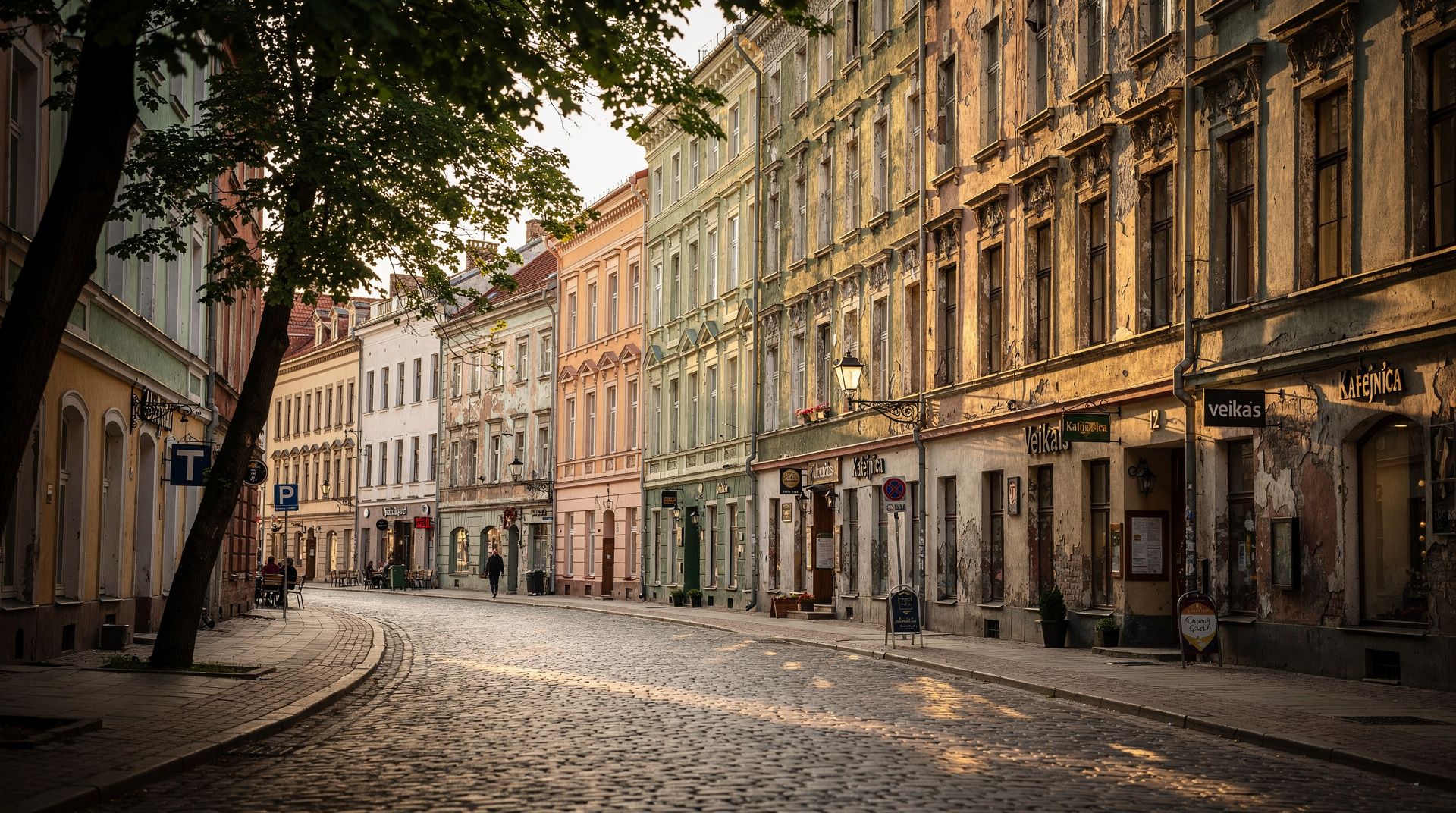
Riga: guided Old Town walking tour
- Free cancellation
- Small group
- English guide
From Riga: Cēsis, Sigulda and Turaida Castle tour
- Hotel pickup
- Free cancellation
- Best seller
Riga: 2-hour history of Art Nouveau walking tour
- Free cancellation
- Small group
Sigulda: summer bobsleigh adventure on the Olympic track
- Hotel pickup
- Best seller