
Cēsis
Cesis visitor guide: medieval castle ruins, cobblestone old town, craft beer scene and why this is Latvia's most charming small town for a day trip from Riga.
Cēsis: medieval heritage and natural treasures tour
Duration: 3 hours
- Free cancellation
Quick facts
- Distance from Riga
- 90 km northeast
- Train time
- ~2 hours (Pasažieru Vilciens)
- Train fare
- ~€5 one way
- Castle entry
- ~€8
- Population
- ~15,000
Latvia’s finest medieval town
Cēsis is, by consensus of most people who know Latvia well, the country’s most charming small town. It was founded by the Livonian Brothers of the Sword (a crusading military order that predated and was later absorbed by the Livonian Order) in the early 13th century, and for much of the medieval period served as the order’s main administrative centre — more significant even than Riga in some periods.
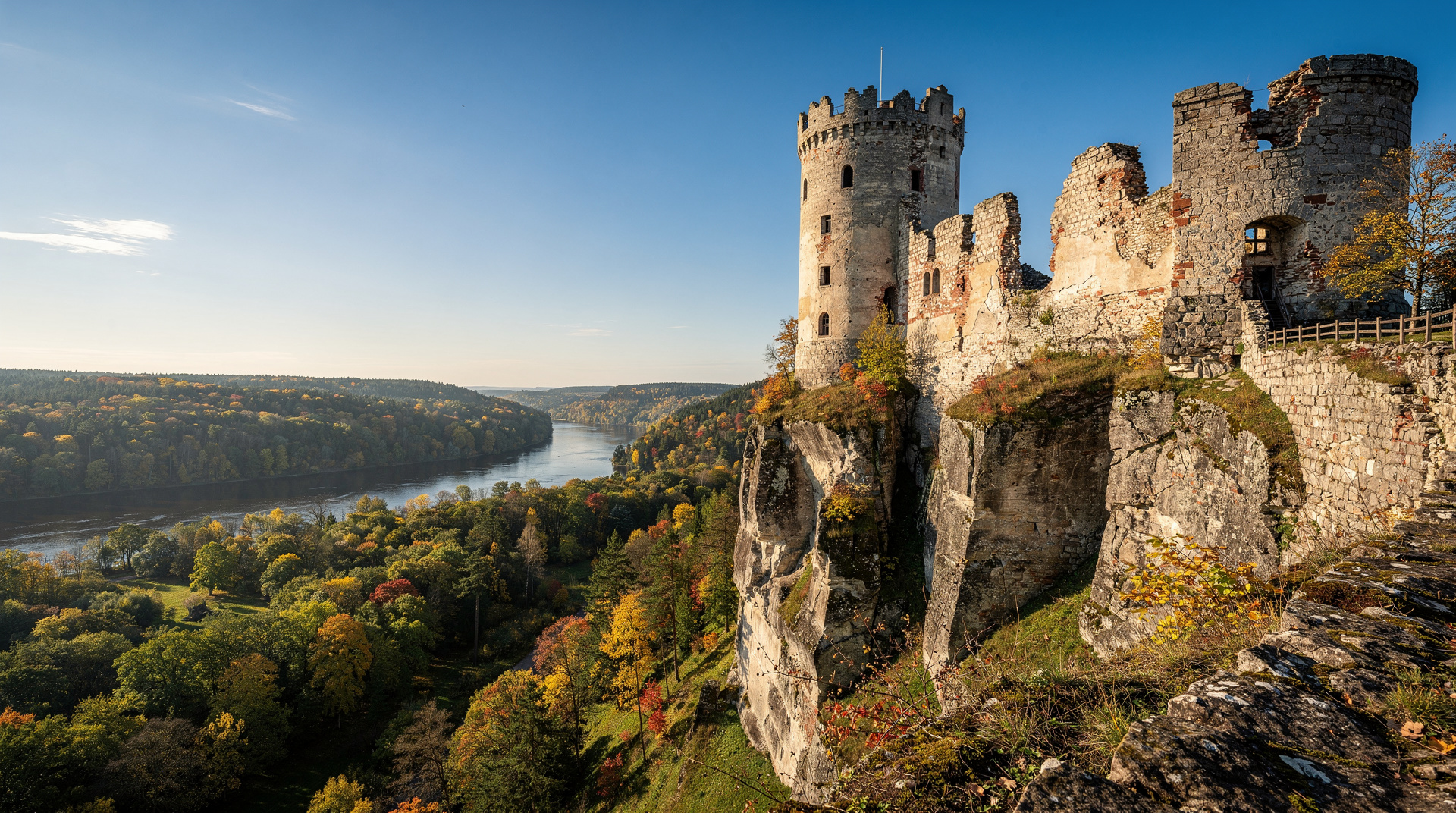
The castle here was one of the most powerful fortifications in the Baltic, and the town that grew around it became the mercantile and cultural hub of the Gauja valley region. It has the densest surviving medieval fabric outside Riga’s Old Town, the largest castle ruins in Latvia (larger even than Turaida), a cobbled market square ringed by merchant houses, and a local identity built on artisan craft and the nationally famous Cēsis beer. It also has the Gauja National Park on its doorstep, with trails through the valley accessible on foot from the town centre.
For most visitors, Cēsis makes an excellent and slightly unusual combination — medieval history in the morning, craft beer at lunch, a riverside walk in the afternoon. The town is genuinely lived-in and not predominantly tourist-facing, which gives it a character that Riga’s Old Town has partly lost to commercialisation.
The train journey from Riga takes about 2 hours and costs around €5. That is slightly longer than Sigulda (1 hour), and some visitors combine both towns in a single day — train out to Cēsis, walk back toward Sigulda, train home. The 4-day Riga itinerary with Sigulda covers this combination with practical logistics.
| Where | Gauja valley, 90 km northeast of Riga |
| Cost | Castle ~€8; train from Riga ~€5 |
| Time needed | Full day (half day if combined with Sigulda) |
| Getting there | Train (~2 hrs) or guided tour with Sigulda |
| Best time | May–October; September for autumn colour |
Cēsis: medieval heritage and natural treasures tour
- Free cancellation
What to see and do in Cēsis
Cēsis Castle ruins
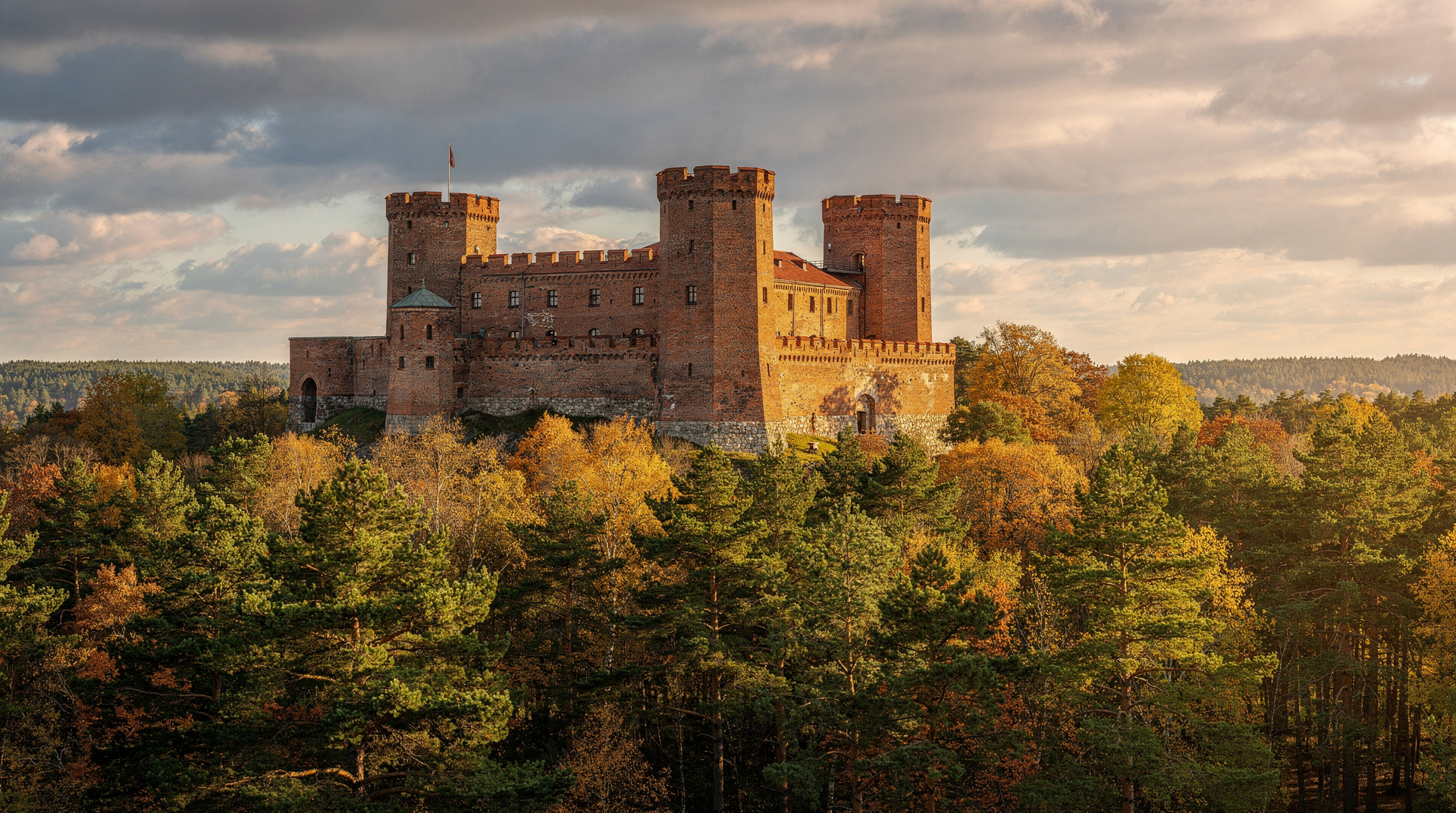
The castle complex consists of two distinct structures: the older Medieval Castle (built by the Livonian Order from the 13th century, now in dramatic ruin) and the 18th-century New Castle (in far better condition, used as a museum and event venue). Together they form the Cēsis History and Art Museum, and the entry fee of approximately €8 covers both.
The Medieval Castle is the highlight. Its towers and walls enclose a central courtyard open to the sky; the tallest remaining tower can be climbed via steep internal stairs to a view across the town rooftops. Unusually for a ruined castle, the interior of some sections can be explored with handheld lanterns provided at entry — this applies to the tower staircases and vaulted cellars where electric lighting would be inappropriate. It is a genuinely memorable experience.
The castle grounds contain a garden and pond, pleasant for a walk after the castle interiors.
Cēsis Old Town
The market square (Vienības laukums) is surrounded by 18th–19th century merchant houses in various states of preservation. The church of St John (Sv. Jāņa baznīca) stands at the square’s edge — one of the largest medieval churches in Latvia outside Riga. Its red-brick exterior dates to the 15th century; the interior is austere and beautiful in the way Baltic Lutheran churches tend to be.
Wander the streets immediately around the square — Lenču iela, Raunas iela, Skolas iela — for the most intact streetscapes. Cēsis was spared much of the Soviet-era reconstruction that simplified many Latvian towns, and the human-scale character of the streets is unusual.
Cēsis Brewery and craft beer culture
The Cēsu Alus brewery has been operating in various forms since 1878 and its amber lager is the most recognisable Latvian beer after Aldaris. The brewery building is visible near the edge of the Old Town. While formal tours of the main brewery are not consistently available to individual travellers, the local craft beer bar scene in Cēsis has grown substantially — the Cēsis Beer Garden (operating in summer near the castle) and several bars on the main square stock local and regional craft options alongside the familiar Cēsu Alus.
A pint of Cēsu Alus in a local café costs €2–3. This is noticeably cheaper than the same beer in Riga’s Old Town.
Araisi Lake Dwelling Museum
Approximately 10 km south of Cēsis (accessible by car or bicycle), the Araisi Lake Dwelling Museum is a reconstructed Iron Age lake village built on wooden platforms over the water — a site type known as a “lake dwelling” or crannóg. The reconstruction is based on archaeological excavations of a 9th–10th century site. It is a genuinely unusual attraction and makes good use of a car day in the region. Entry approximately €5; allow 1 hour.
Gauja National Park trails from Cēsis
Cēsis is the eastern gateway to Gauja National Park. Walking trails leave from the town’s southern edge into the valley. The riverside trail toward Līgatne (approximately 10 km) passes through forest and meadow with views of the sandstone valley walls. See the Gauja National Park page for trail details.
The trail from Cēsis to Līgatne is one of the less-visited sections of the Gauja valley trail network and one of the most beautiful. The valley here is narrower and wilder than the Sigulda section, the sandstone walls higher and more continuous, and the trail sees only a fraction of the visitors that the Sigulda-Turaida route attracts. Bring water and enough food for a full morning’s walking.
Cēsis in Latvian history and national identity
Cēsis carries particular weight in Latvian national consciousness because of the Battle of Cēsis in June 1919, when Latvian and Estonian forces defeated a German baltische Landeswehr force, securing Latvian control of a large part of the country in the independence wars. The date — 22 June, which fell on Latvian Midsummer — is still observed as a national holiday (Victory Day, Uzvaras diena). A monument on the outskirts of town commemorates the battle. For Latvians, Cēsis is in part a site of national founding.
The town also has significance in Latvian literary and cultural history. The poet Jānis Rainis spent time here, and several notable figures of the Latvian national awakening were associated with the Gauja valley region. The regional museum in the New Castle building covers this cultural history in depth alongside the medieval archaeology.
Cēsis street photography
The streets of the Old Town are remarkable by Latvian provincial standards. Lenču iela in particular is a 19th-century street of wooden merchant houses in various states of photogenic decay. The combination of carved wooden details, faded paint, overgrown gardens and the occasional renovated façade gives the street a visual richness that benefits from an early-morning or late-afternoon visit when the tourist lunch crowd has dispersed. This is the kind of photogenic streetscape that rewards 30 minutes of slow walking with a camera more than any formal attraction.
Riga to Sigulda and Cēsis: explore Latvia's medieval castles
- Small group
How to get to Cēsis from Riga
By train
Pasažieru Vilciens from Riga Central Station to Cēsis: approximately 1 hour 45 minutes to 2 hours, ~€5. Trains run several times daily; check pv.lv for current timetables. Buy tickets at the counter at Riga Central Station. The train stops at Sigulda en route — you can combine both towns in a single day if you plan the timing carefully.
From Cēsis station, the castle and Old Town are a 10-minute walk.
By guided tour
Guided day trips from Riga cover the medieval context well, with guides who can explain the Livonian Order history, the role of Cēsis in Latvian independence battles, and the significance of the castle complex. Tours that combine Sigulda and Cēsis (and sometimes Turaida) in a single long day are a popular format.
From Riga: Cēsis and Sigulda day trip with hotel transfers
- Hotel pickup
From Riga: Cēsis, Sigulda and Turaida Castle tour
- Hotel pickup
- Free cancellation
- Best seller
Where to eat in Cēsis
Vīna Māja (“Wine House”) is the most acclaimed restaurant in Cēsis — modern Latvian cuisine with a strong local produce focus. Mains €14–22. Reservations strongly recommended for dinner, walk-in for lunch.
Kafejnīca Ezerparka is a café in the castle park overlooking the pond — pleasant setting, straightforward food, good for coffee and cake after the castle visit.
Latvian Pie Shop (Pīrāgu namiņš) near the market square is a local institution selling warm pirāgi (bacon-and-onion pastries) and rye bread products. Excellent for a cheap, authentic snack (€1–2 per pirāgs).
For beer: the summer Beer Garden near the castle or any of the bars on the main square serve local and craft options.
Where to stay
Most Riga-based visitors come to Cēsis as a day trip — the 2-hour train journey is manageable for a return day. Staying overnight gives you the early morning and evening of the valley, which are genuinely different in character from the midday tourist rush.
Guesthouses in Cēsis range from €45–80 per night for a double room. The Hotel Kolonna Cēsis is the most central option with consistent standards. See the Cēsis day trip guide for accommodation recommendations.
Honest tips for Cēsis
The castle entry includes the lantern experience. When you buy your €8 entry ticket, you are given handheld lanterns for exploring the dark sections of the castle interior. This is not a tourist gimmick — several sections of the castle are genuinely dark and the lantern is the only light source. It is one of the more immersive castle experiences in the region.
The train takes 2 hours — plan your return. If you are combining Cēsis and Sigulda in a single day (train to Cēsis, train or walk to Sigulda, train back to Riga), the logistics require planning. You need to leave Cēsis no later than mid-afternoon to arrive in Sigulda with time for the key sights and a reasonable return train.
Cēsis is busiest in the summer festival season. The town hosts several music and arts festivals in July and August, particularly around the castle grounds. These can be great fun to coincide with, but the town fills up and accommodation books out. Check the local events calendar.
Beer-price gap. The same bottle of Cēsu Alus costs significantly less in a Cēsis local café than in a Riga Old Town tourist bar. If the Cēsis beer is a draw for you, drink it here rather than wait and overpay in Riga.
Planning your Cēsis visit
The Cēsis day in detail
A well-paced day in Cēsis from Riga: take the morning train (depart Riga ~8 or 9 am, arrive Cēsis 10 or 11 am). Walk from the station to the castle (10 minutes). Buy the full museum ticket (€8) and spend 1.5–2 hours on the castle — prioritise the Medieval Castle ruins and the tower with lanterns, then the New Castle exhibitions. Have lunch at Vīna Māja or one of the market-square cafés (12:30–1:30 pm).
Walk the Old Town streets — Lenču iela, Raunas iela, around the church of St John — for 45 minutes. Walk south to the Gauja valley trailhead for an afternoon riverside walk (1–2 hours, return the same route or loop back through the forest above the valley). Late-afternoon beer at one of the market-square bars (Cēsu Alus on draft, ~€2.50/pint). Train back to Riga (~6 pm, arrive ~8 pm).
This is a full and varied day that combines history, walking, good food and genuine Latvian provincial life without being rushed. It does not include the Araisi Lake Dwelling Museum or the full Gauja trail to Līgatne, both of which would require either a car or an overnight stay.
The Sigulda–Cēsis train combination
One of Latvia’s most rewarding day-trip itineraries is the Sigulda–Cēsis combination. Take the train from Riga to Cēsis (~2 hours, arriving late morning). Spend the morning at Cēsis Castle and Old Town. Take the early-afternoon train back from Cēsis to Sigulda (~40 minutes). See Gūtmanis Cave and walk the valley trail for 1.5 hours. Take the evening train back to Riga (~1 hour). This is a long day but covers two excellent destinations without a car. See the Sigulda vs Cēsis comparison for how to choose between them or combine them.
Cēsis for history enthusiasts
Cēsis rewards visitors who come with some historical background. The medieval Livonian Order history, the Duchy of Courland period, the independence wars of 1919 and the Latvian national awakening of the 19th century all have direct connections to the Cēsis area that can be explored in depth at the castle museum and the regional history exhibitions. If you have an interest in Baltic medieval history, Northern European Reformation history or 20th-century independence movements, Cēsis provides one of the most concentrated bodies of evidence of any small town in the region.
The regional museum in the New Castle also covers the natural history of the Gauja valley — geology, ecology, the formation of the sandstone landscape — which connects the cultural history of the town to its physical setting in a way that few local museums achieve.
Cēsis and the [Riga 4-day itinerary]
The Riga 4-day itinerary with Sigulda recommends Cēsis as the Day 3 destination, arriving by train in the morning after a Day 2 based in Sigulda. This structure — two nights Riga, one night Sigulda or nearby, Day 3 by train to Cēsis and back to Riga — is one of the most efficient ways to see the Gauja valley without a car.
When to visit Cēsis
| Season | Conditions | Notes |
|---|---|---|
| May–June | Mild, greenery filling in | Fewer crowds than July–August; castle garden fresh |
| July–August | Warm, festival season | Music and arts festivals fill accommodation; book ahead |
| September | Mild, autumn colour starting | Best combination of good weather and lower crowds |
| October | Cool, valley colours peak | Beautiful for the Gauja trail; some cafés reduce hours |
| November–March | Cold, castle ruins exposed | Castle and museum stay open; lantern experience feels even more atmospheric in the dark months |
Cēsis rewards a shoulder-season visit more than most Latvian day trips: the castle interiors are lantern-lit regardless of season, so the outdoor trail conditions matter more than indoor comfort. Pair a September or October visit with the Gauja National Park page for the best autumn colour in the valley.
Cēsis vs Sigulda vs Turaida: choosing your Gauja valley day
Visitors planning a single Gauja valley day trip often ask which of Cēsis, Sigulda or Turaida to prioritise. Sigulda is the fastest and most adventure-oriented — cable car, bobsleigh, Aerodium — and is the default choice for a first-time, time-limited visitor; see the full Sigulda vs Cēsis comparison. Turaida, a short bus ride from Sigulda, has the best-preserved medieval castle exterior in the valley (fully reconstructed rather than ruined) and the open-air museum grounds, making it the strongest choice for visitors who want a complete, photogenic castle rather than atmospheric ruins.
Cēsis has the largest ruins, the most immersive interior experience (the lantern tour), and the most complete historic town around the castle — it rewards visitors willing to spend a full day rather than a quick stop. Travellers with two days in the valley region should do Sigulda and Turaida together (they are minutes apart) on one day, and Cēsis as a separate full day.
From Riga: Cēsis, Sigulda and Turaida Castle tour
- Hotel pickup
- Free cancellation
- Best seller
Cēsis with limited mobility or young children
The Medieval Castle’s lantern-lit interior involves uneven stone floors, steep narrow stairs and low doorways — not well suited to limited mobility, and young children need close supervision on the tower stairs. The New Castle museum, by contrast, has level floors and standard lighting throughout and is comfortable for all ages.
Families with very young children sometimes skip the Medieval Castle tower climb and focus on the New Castle exhibitions, the castle park and pond, and a gentle walk in the Old Town — a shorter but still satisfying version of the day described above. The best kid-friendly attractions in Riga guide covers day-trip options including Cēsis for families based in the city.
Frequently asked questions about Cēsis
Is Cēsis worth a day trip from Riga?
Yes, particularly for visitors who have already done the more obvious Sigulda day trip. Cēsis has a different character — more town, less adventure, more authentic everyday Latvian life. The combination of castle ruins, medieval streets, Gauja park access and craft beer culture makes it one of the most well-rounded day trips in Latvia.
How long should I spend in Cēsis?
A comfortable day allows 2 hours at the castle, 1.5 hours walking the Old Town and having lunch, and a 1–2 hour walk in the park. If you add the Araisi Lake Dwelling Museum or a longer valley hike, you need more time or a car.
Can I walk from Cēsis to Sigulda?
The Gauja valley trail connects them over approximately 35 km — a two-day hiking journey with an overnight in the valley. A one-day walk covering a portion of this route (e.g., Cēsis to Līgatne, about 10 km) and returning by bus is manageable. The Gauja National Park page covers the trail in detail.
What is the Cēsis lantern castle experience?
When you buy an entry ticket to Cēsis Castle, you receive a small handheld lantern for exploring the darker interior sections of the Medieval Castle. The tower staircases and some vaulted chambers have no artificial lighting — the lantern is the only source. It is genuinely atmospheric and is consistently mentioned in reviews as the highlight of the visit.
Is the Araisi Lake Dwelling Museum worth adding to a Cēsis day?
Yes if you have a car or bicycle. It is 10 km from Cēsis and adds about 1–1.5 hours. The reconstructed lake village on stilts over the water is a distinctive and visually interesting site unlike anything else in the region. By public transport it is impractical to add to a day trip.
How does Cēsis compare to Sigulda as a day trip from Riga?
Different rather than better or worse. Sigulda has more adventure options (bobsleigh, Aerodium, cable car) and is closer/faster. Cēsis has a more complete historic town experience and a better castle for serious castle visitors. Many people who love Latvia do both on a two-day trip in the region. See the Sigulda vs Cēsis comparison for a detailed breakdown.
Is Cēsis suitable as a winter day trip?
Yes, with adjusted expectations. The castle and museum stay open through winter, and the lantern-lit interior arguably feels more atmospheric in the darker months. Outdoor elements — the Gauja valley trail, the castle garden and pond — are less rewarding under snow and ice, so plan a shorter outdoor component and more time indoors at the New Castle exhibitions. Trains run on a reduced winter timetable; confirm the return time before travelling.
Top experiences
Bookable activities with verified prices and instant confirmation on GetYourGuide.
Cēsis: medieval heritage and natural treasures tour
- Free cancellation
Riga to Sigulda and Cēsis: explore Latvia's medieval castles
- Small group
From Riga: Cēsis and Sigulda day trip with hotel transfers
- Hotel pickup
From Riga: Cēsis, Sigulda and Turaida Castle tour
- Hotel pickup
- Free cancellation
- Best seller