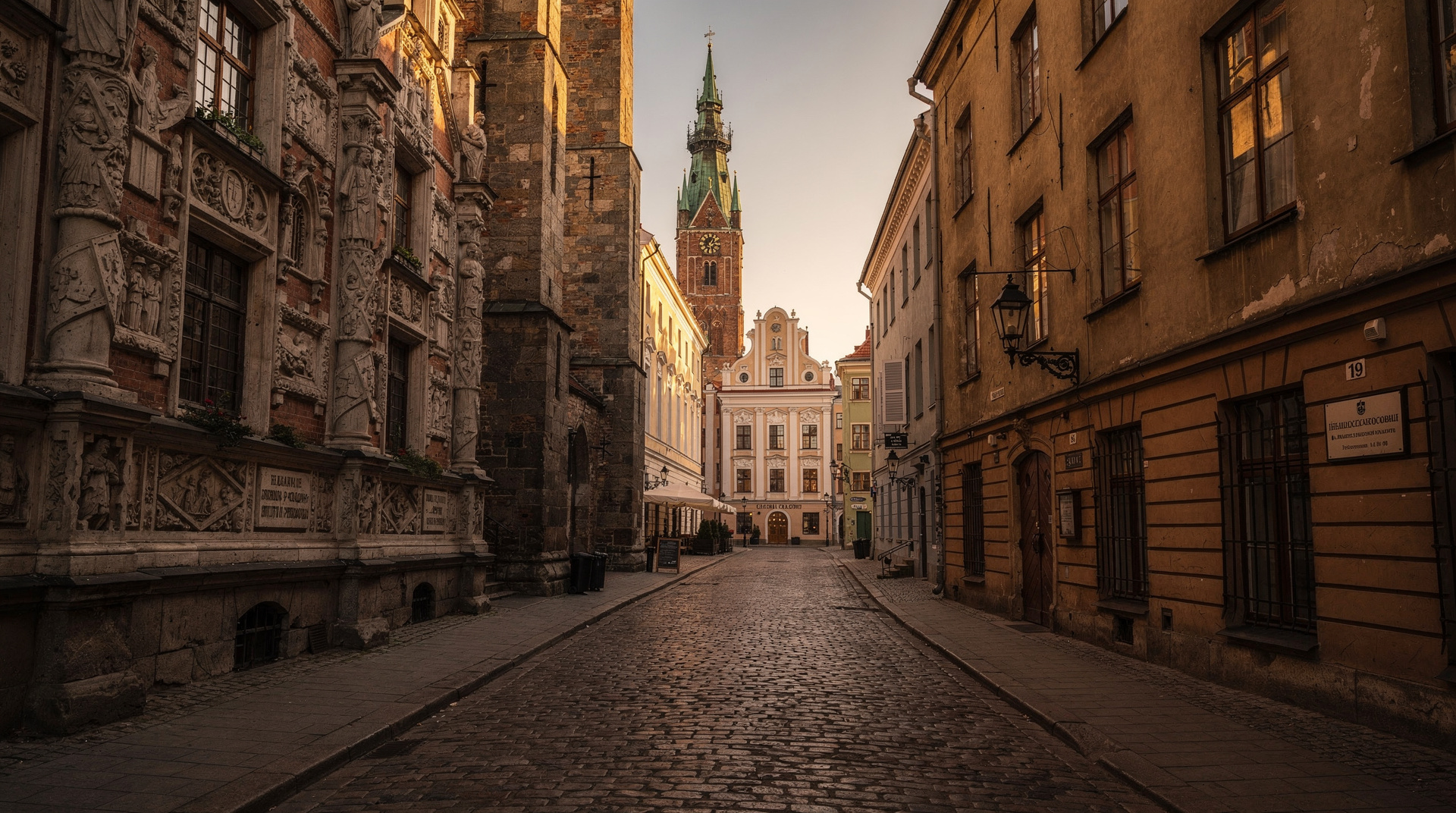
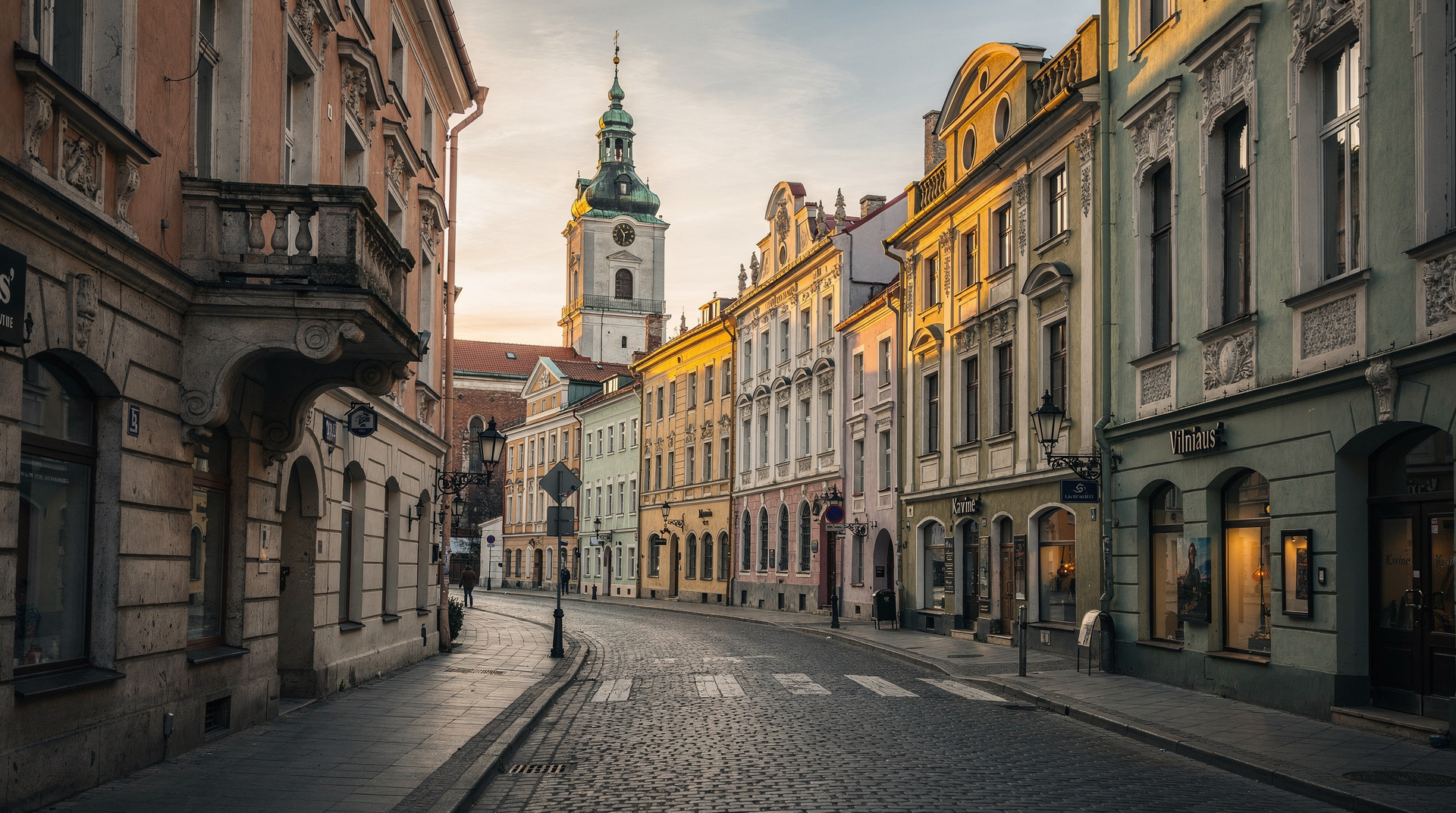
7 days in the Baltic capitals: Riga, Tallinn, and Vilnius by bus
Two countries in one day: day trip from Riga to Tallinn
Duration: 14 hours
- Hotel pickup
- Long day trip
Why Riga, Tallinn, and Vilnius make a perfect 7-day trip
The three Baltic capitals are among Europe’s best-kept secrets for first-time visitors. Each has a different character: Riga is the multicultural Hanseatic/Art Nouveau city — the grandest and most architecturally complex. Tallinn is the medieval jewel — the best-preserved medieval city in northern Europe, smaller and more concentrated. Vilnius is the baroque surprise — an enormous 17th and 18th-century baroque city that most people have never seen but immediately love.
Seven days gives you enough time in each city to go beyond the main square without rushing. Three nights in Riga, two in Tallinn, and two in Vilnius is the recommended allocation — Riga has the most to see, Tallinn is the most compact, and Vilnius rewards a slower pace.
Transport logic: Lux Express buses are the practical way to connect all three capitals. Riga to Tallinn: 4 hours, €15–25. Riga to Vilnius: 4 hours, €15–25. The buses are comfortable (Wi-Fi, power sockets, onboard coffee), depart from central bus stations, and run multiple daily. Booking 2–4 weeks ahead gets the best prices.
The recommended order: Start in Riga (fly in), move north to Tallinn, return south past Riga to Vilnius, then fly home from Vilnius. Or reverse: fly into Vilnius, travel to Riga, then Tallinn. The Hill of Crosses in Lithuania (between Riga and Vilnius) can be visited either direction.
This itinerary starts in Riga (most direct connection from Western Europe) and ends in Vilnius (easy connections to Amsterdam, Berlin, Warsaw, and London).
Total estimated budget, 2 people, 7 days: €1100–1400. Per person: €550–700.
Trip essentials at a glance
| Where | Riga (3 nights), Tallinn (2 nights), Vilnius (2 nights) |
| Cost | around €1012 per person, excl. flights |
| Time needed | 7 days, 6 nights |
| Getting there | Lux Express buses, €15–40 per leg |
| Best time | May, June or September |
At a glance
- Days 1–3: Riga — Old Town, Art Nouveau, canal cruise, Central Market
- Day 4: Riga to Tallinn by Lux Express (with optional Pärnu stop)
- Days 4–5: Tallinn — medieval Old Town, Toompea, Telliskivi quarter
- Day 6: Tallinn to Vilnius by Lux Express (with Hill of Crosses stop)
- Days 6–7: Vilnius — baroque Old Town, Užupis Republic, Trakai
Day-by-day summary
| Days | City | Highlights | Approx. cost |
|---|---|---|---|
| 1–3 | Riga | Old Town, Art Nouveau, Central Market | €150 pp/day |
| 4–5 | Tallinn | Old Town, Toompea, Telliskivi | €145 pp/day |
| 6–7 | Vilnius | Baroque Old Town, Užupis, Trakai | €140 pp/day |
Budget breakdown (real EUR, per person)
| Item | Cost |
|---|---|
| Flights (into Riga, out of Vilnius) | Variable — typically €60–150 |
| Hotels (6 nights, mid-range) | €100/night × 6 = €600 |
| Lux Express Riga–Tallinn | €20 |
| Lux Express Tallinn–Vilnius | €35 |
| Riga walking tour | €22 |
| Riga canal cruise | €18 |
| Art Nouveau tour | €22 |
| Meals (€35/day × 7) | €245 |
| Activities and museums | €50 |
| TOTAL per person (excl. flights) | €1012 |
USD approx $1110. GBP approx £875.
Days 1–3: Riga
Day 1: Riga Old Town
Morning: Bus 22 from RIX Airport (€1.50). Coffee at Innocent café (Audēju iela). Pre-booked House of the Blackheads ticket (€7). The guided Old Town walking tour (€22, 2 hours) from Town Hall Square — essential orientation. St. Peter’s Church viewing platform (€9).
Afternoon: Canal and Daugava boat cruise (€18, 1 hour). Canal-side parks (free).
Evening: Folkklubs Ala Pagrabs (traditional Latvian pub, mains €11–18) + Riga Black Magic Bar for Black Balsam (€4–8).
Day 2: Art Nouveau and Quiet Center
Morning: Tram 11 to Alberta iela. Art Nouveau history walking tour (€22, 2 hours). Art Nouveau Museum at Alberta iela 12 (€8, closed Monday). Walk through the embassy quarter.
Afternoon: Museum of the Occupation of Latvia (free, 1.5 hours). Panorama Riga observation deck (€8, Academy of Sciences).
Evening: Dinner at Vairāk Saules (Dzirnavu iela 60, mains €18–28, best contemporary Latvian cooking).
Day 3: Central Market and preparation
Morning: Tram 7 to Central Market (Centrāltirgus, 9:00–12:00). Five Zeppelin hangar pavilions — fish, meat, dairy, produce, dry goods. Buy smoked sprats and rye bread from the market stalls (€5–8).
Afternoon: Maskavas Forštate walk (30 minutes, free). Miera iela for lunch and last coffee (Rocket Bean Roastery). Pack for the morning bus.
Evening: Book Lux Express ticket for next morning if not done already (luxexpress.eu). Early dinner and early bed.
Day 4: Riga to Tallinn (with optional Pärnu stop)
Morning bus departure
Lux Express Riga→Tallinn: Buses depart from Rīgas Starptautiskā autoosta (International Bus Terminal, next to the Central Station, Prāgas iela 1). Multiple departures 06:00–21:00. Journey 4 hours, €15–25 depending on booking timing. Wi-Fi, power sockets, onboard café.
Optional Pärnu stop: The 09:00 departure, booked with a Pärnu stopover, allows 3–4 hours in Estonia’s summer capital — a smaller, quieter resort town with a beautiful wooden architecture old town and the same Baltic Sea beach culture as Jūrmala. Get off in Pärnu (~2.5 hours from Riga), walk the old town and beach promenade (2 hours), then board the next Pärnu–Tallinn bus (additional €5, 2 hours). Arrive Tallinn by 18:00. This works well for the itinerary if you have a late check-in at your Tallinn hotel.
Tallinn arrival (afternoon)
Tallinn Old Town orientation. From the Tallinn Bus Station (Tallinna bussijaam, Lastekodu 46), take tram 2 or 4 to the Old Town (€1.50, 15 minutes). Check in to hotel. Walk to Raekoja plats (Town Hall Square) — the best-preserved medieval market square in northern Europe.
Evening: Tallinn has a remarkable food scene. Try Restoran Ö (Mere pst 5, modern Estonian, mains €18–28), or Leib Resto (Uus 31/33, Old Town, Estonian cuisine, mains €20–30). For a budget first evening, the Tallinn Public Market (Balti jaama turg) near the train station has excellent local food for €8–12.
Day 5: Tallinn full day
Morning (9:00–13:00)
Tallinn Old Town guided walk. The medieval walled Old Town (Vanalinn) is UNESCO-listed and the best-preserved example of medieval Baltic urban design. A guided tour (typically €15–20, 2 hours, from Raekoja plats) covers the key sites: the Town Hall (1402), the Guildhall, the Tallinn City Museum, the Danish King’s Garden with the Toompea hill visible above. Toompea (the upper city) is reached via Pikk jalg or Lühike jalg — the two medieval gates.
Toompea Castle and Alexander Nevsky Cathedral. The upper city has Estonia’s parliament (Riigikogu), the dominating Cathedral of Alexander Nevsky (Russian Orthodox, 1900), and Toompea Castle (exterior). The panoramic viewpoints over the red rooftops are excellent.
Tall Hermann tower. €3 entry to climb the medieval watchtower for the best view over Tallinn.
Afternoon (14:00–18:00)
Telliskivi Creative Quarter. Walk 10–15 minutes northwest of the Old Town to Telliskivi — Tallinn’s most interesting neighbourhood: converted factory buildings housing cafés, concept stores, street food, and a Saturday flea market. The contrast with the medieval Old Town is sharp and both are authentic.
Kadriorg Park (optional). Tram 1 or 3 to Kadriorg — the baroque park and palace built by Peter the Great after his 1710 conquest of Estonia. The KUMU Art Museum (Estonia’s national art museum, €12) is in the park. 1.5 hours if you include the museum.
Evening
Dinner at Fotografiska (Telliskivi, photography museum + restaurant, mains €20–28, the most photogenic dining room in Tallinn). Or F-Hoone (Telliskivi, Estonian comfort food, mains €14–20, excellent and busy on weekday evenings).
Day 6: Tallinn to Vilnius (with Hill of Crosses)
Morning bus to Vilnius
Lux Express Tallinn→Vilnius: 8–9 hour journey via Riga. Departs 06:00–09:00, arrives Vilnius 14:00–18:00. €30–40 per person. This is the longest travel day of the itinerary.
The Hill of Crosses stop (highly recommended). Some Lux Express Tallinn-Vilnius routes stop at Šiauliai (Lithuania) — the nearest town to the Hill of Crosses (Kryžių kalnas). Alternatively, take the Tallinn-Riga bus (4 hours), then the Riga-Vilnius bus with a scheduled stop or a taxi from the Šiauliai stop.
The Hill of Crosses is one of the most powerful spiritual sites in the Baltics: a hill covered with hundreds of thousands of crosses accumulated over centuries, representing Lithuanian faith and resistance to Soviet repression. The Soviets bulldozed the crosses three times; Lithuanians kept returning to replace them, each time in greater numbers. The site is free to visit, and the scale and silence are extraordinary. Allow 1–1.5 hours.
From Šiauliai, continue to Vilnius by bus (2.5 hours, €8–12). Arrive Vilnius by 19:00–20:00.
Honest alternative: The Hill of Crosses + Rundāle Palace organised day trip from Riga (€95) is a better option if your schedule allows doing this as a Riga day trip before heading to Tallinn — the guided format and hotel pickup from Riga is more efficient than trying to build it into the Tallinn-Vilnius transit.
Vilnius arrival
Check in. Walk to Katedros aikštė (Cathedral Square) in the evening — the starting point for Vilnius orientation. The cathedral, the bell tower, and the castle on the hill above are all visible and impressive at night.
Day 7: Vilnius
Morning (9:00–13:00)
Vilnius Old Town is the largest medieval Old Town in Eastern Europe — a UNESCO-listed baroque city that spreads across multiple hills and covers an area bigger than Riga’s Vecrīga and Tallinn’s Vanalinn combined. A guided walk (typically €15–18, 2 hours) covers: Pilies gatvė (Castle Street), St. Anne’s Church (Gothic, one of the most beautiful church facades in Europe), the University of Vilnius (founded 1579, remarkable baroque courtyards, free to walk through), the Gates of Dawn (Aušros vartai, 17th century, pilgrimage chapel above the gate), and Town Hall Square.
Užupis. Walk across the Vilnelė River to the self-declared Užupis Republic — a bohemian neighbourhood that declared independence from Lithuania on April 1, 1997 (April Fools’ Day, with serious artistic intent). The Užupis constitution (written in 47 languages, including the right to be an individual and the obligation to purr) is displayed on wall plaques. The neighbourhood has galleries, studios, and excellent coffee shops. One hour minimum.
Afternoon (14:00–18:00)
Trakai Castle day trip (optional). Trakai is 28 km from Vilnius, accessible by direct train (35 minutes, €2). The 14th-century Gothic castle on a lake island is one of the most photogenic historical sites in the Baltics — and remarkably uncrowded compared to similar castles in Poland or Germany. The museum inside (€10) has excellent medieval exhibits. Return to Vilnius by 17:00.
Alternatively: The Vilnius TV Tower (bus 57, top deck viewpoint €10) or the Three Crosses hill (free, 15-minute walk from the Old Town) for the best panoramic view over the city.
Evening and departure
Final dinner in Vilnius: Etno Dvaras (Pilies gatvė 16, Lithuanian cuisine, mains €12–20, excellent traditional cooking), or Džiaugsmas (“Joy,” Trakų 6, modern Lithuanian, mains €18–28).
Vilnius Airport (VNO) is 7 km from the centre — taxi/Bolt €10–15 or bus 1 (€1, 30 minutes). Plenty of connections to Western Europe.
Honest tips for the 7-day Baltic circuit
- Book Lux Express tickets 2–4 weeks ahead. Prices are lowest with early booking. Last-minute tickets can double in price in summer. The bus is much better value than flying between the capitals (flights are often more expensive and less central when you add airport transfers).
- The Hill of Crosses is not substitutable. It is one of the defining experiences of the Baltic circuit and the only one that is both unique to the region and genuinely moving. Make time for it even if it requires restructuring the itinerary.
- Riga deserves 3 nights, not 2. The Art Nouveau district alone requires a dedicated half-day. Giving Riga only 2 nights means cutting either the Art Nouveau or the Central Market.
- Tallinn’s Old Town is more compact than Riga’s. Two nights is comfortable for Tallinn; one night is possible but very rushed. The Telliskivi quarter and Kadriorg add a full half-day.
- Vilnius is a bigger city than most visitors expect. The baroque Old Town takes a full day to walk properly. Trakai adds an excellent half-day but is not essential if you are pressed for time.
- Currency: Latvia and Lithuania use EUR. Estonia also uses EUR. No currency exchange needed across the whole trip.
- Weather: The Baltic states have the same weather pattern — Atlantic-influenced, changeable. Pack for rain in all seasons. Summer (June–August) is warm (18–22°C) but can be rainy; May and September have better weather consistency.
- Each city feels different. Do not assume they are interchangeable. Riga’s scale and Art Nouveau, Tallinn’s medieval intimacy, and Vilnius’s baroque grandeur represent distinct architectural and historical cultures.
Frequently asked questions about 7 days in the Baltic capitals
What is the best order for visiting the Baltic capitals?
Riga → Tallinn → Vilnius is the most popular route (fly into Riga via RyanAir/Wizz Air, fly out of Vilnius). The reverse (Vilnius → Riga → Tallinn) works equally well. Starting in Tallinn and ending in Vilnius via Riga requires no backtracking but is geographically longer.
How long is the Lux Express bus from Riga to Tallinn?
4 hours. Buses depart from Riga International Bus Terminal (next to the Central Station) and arrive at Tallinn Bus Station. Multiple departures daily. Comfortable buses with Wi-Fi and power sockets. Approximately €15–25 depending on booking timing.
Is the Hill of Crosses worth the detour?
Yes, unconditionally. It is unique in Europe and unlike any other historical or spiritual site in the region. The combination of scale (hundreds of thousands of crosses), history (Soviet-era resistance), and silence makes it profoundly affecting. The detour from the Tallinn-Vilnius route adds 2–3 hours to the journey day but is worth every minute.
Which Baltic capital is the best?
They are different enough that comparisons are reductive. Riga is the most complex architecturally and historically — the Art Nouveau is world-class, the scale is larger than Tallinn or Vilnius. Tallinn is the most perfectly preserved — the Old Town is extraordinary and the most photogenic. Vilnius is the biggest surprise — most visitors arrive not knowing what to expect and are astonished by the scale and quality of the baroque city. All three are worth visiting; the 7-day circuit makes the differences between them the point.
Can I do this trip in 5 days?
Five days is possible but rushed: 2 nights in Riga, 1.5 in Tallinn, 1.5 in Vilnius. You would miss either the Central Market in Riga, Kadriorg in Tallinn, or Trakai in Vilnius. The Hill of Crosses would also be difficult to include. Seven days is the minimum for doing all three cities justice.
Do I need to book accommodation in advance?
In summer (June–August), book at least 4–6 weeks in advance, especially for mid-range hotels in the Old Town areas. Tallinn’s Old Town hotels fill particularly quickly in July. In May, September, and October, 2–3 weeks is usually sufficient.
Is it worth doing this trip if I can only spare 6 days?
Six days works if you trim one night from the shortest stay rather than spreading the cut evenly. Dropping to 2 nights in Riga, 2 in Tallinn, and 1.5 in Vilnius (departing mid-morning on day 6) is more workable than shaving a few hours off each city, since half-days rarely let you finish a district properly. See our baltic capitals trip order guide for how to reshuffle the sequence if your flight dates are fixed.
Which city should get an extra night if I can only add one?
Riga, in almost every case. It has the most ground to cover — Old Town, Art Nouveau district, and Central Market are each substantial half-day commitments — while Tallinn’s compact Old Town and Vilnius’s baroque core are each comfortably covered in two days. Our Riga vs Tallinn guide breaks down why Riga rewards the extra time more than the others.
Baltic capitals compared: Riga vs Tallinn vs Vilnius
Understanding the differences between the three cities helps you prioritise if time is tight:
Riga is the largest (population 600,000) and the most architecturally complex. The Art Nouveau district is world-class and unlike anything in Tallinn or Vilnius. The Old Town is medieval but less perfectly preserved than Tallinn’s — more lived-in, more mixed. The Soviet history layer is more visible than in the other two capitals. Riga feels like a city that has had more happen to it historically, and the architecture reflects every era. Riga is 15–20% cheaper than Tallinn on restaurants and accommodation.
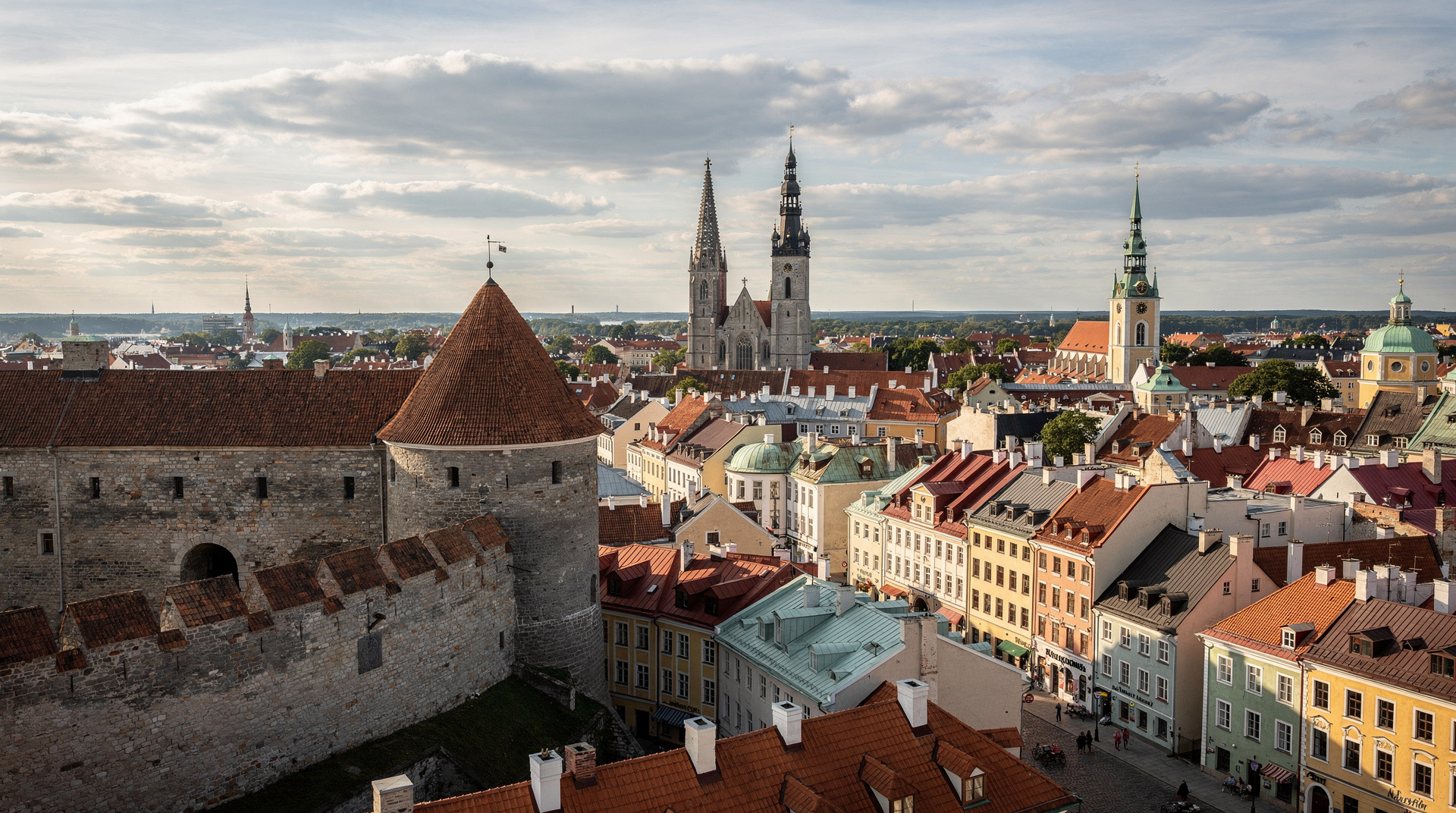
Tallinn (population 440,000) has the best-preserved medieval Old Town in northern Europe — UNESCO-listed, compact, and unmistakably beautiful. The photographic opportunities are extraordinary. Tallinn also has one of the best contemporary restaurant and café scenes in the region (Telliskivi quarter). The downside: it can feel slightly theme-park-like in midsummer when the cruise ship tourists fill the Old Town. Outside the medieval walls, Tallinn’s Kadriorg and Kalamaja neighbourhoods are excellent.
Vilnius (population 600,000) is the biggest surprise for first-time visitors. The baroque Old Town is vastly larger than Tallinn’s medieval city — hundreds of baroque churches, palaces, and monastery complexes spread over multiple hills. The Užupis Republic adds a quirky contemporary layer. Vilnius has the best nightlife of the three cities and is the least touristy in terms of price and crowd density.
The logistics in detail: Lux Express
Lux Express (luxexpress.eu) is the dominant comfortable bus operator on the Baltic circuit. Practical notes:
Booking: The app and website both work. Book at least 7–14 days ahead in summer for the best prices. Name changes are allowed (useful if plans shift); full refunds require 3+ days notice.
Luggage: Each ticket includes one piece of luggage. Oversized bags or bicycles require advance notification. The luggage hold is generous.
Onboard: Wi-Fi throughout, individual power sockets at every seat, small onboard café (coffee, snacks). The seats recline more than standard trains. The Tallinn–Riga–Vilnius route uses premium coaches on the busiest departures.
Alternatives to Lux Express: Ecolines runs similar routes at slightly lower prices (less comfortable buses). FlixBus has entered the Baltic market with competitive fares on some routes. Flying (Tallinn–Riga or Riga–Vilnius) is often more expensive than the bus once airport transfers are included, and the journey time saving is minimal for short legs.
Flying in vs starting the trip by land
Most visitors fly into Riga and out of Vilnius, but it is worth knowing the alternatives if flight prices push you toward a different entry point. Flying into Tallinn and working the circuit in reverse (Tallinn → Riga → Vilnius) is equally viable and sometimes cheaper from certain European hubs, since Tallinn has strong connections to Scandinavia. Flying into Vilnius and reversing the whole itinerary works too — Vilnius connects well to Warsaw, Berlin, and London. Whichever direction you choose, keep Riga’s three-night allocation fixed in the middle or at either end; it is the city in this itinerary that benefits most from not being rushed regardless of where it falls in the sequence.
Packing for the Baltic capitals in 7 days
The Baltic states have the same climate — temperate, changeable, prepared for rain in any season. Practical packing:
- Comfortable walking shoes (essential — all three Old Towns are cobbled)
- Waterproof jacket (not heavy, but genuine rain protection)
- One smart-casual outfit (for dinner at Vincents in Riga or Restoran Ö in Tallinn)
- Layers (temperatures vary 10–15°C between morning and evening in shoulder seasons)
- Power bank (the bus journeys are long)
- A small amount of local cash (€20–30) for market stalls and emergencies; card is accepted almost everywhere in all three cities
For detailed packing advice by season, see our Riga packing list guide.
Money matters more on this trip than a single-city visit, since you are moving through three separate economies within days of each other. Latvia, Estonia and Lithuania all use the euro, so there is no currency conversion friction, but price levels differ slightly — Tallinn tends to run 10–15% more expensive than Riga or Vilnius for comparable restaurants and hotels, largely because of stronger Scandinavian and cruise-ship demand. Budgeting a little extra for the Tallinn leg, and a little less for Vilnius, matches the real cost pattern better than splitting the daily budget evenly across all seven days.
If Riga is your priority within this trip
Some travellers book the full Baltic circuit but know in advance that Riga is the city they care most about. If that describes your trip, consider front-loading Riga time: extend to 4 nights there by shaving one night off Vilnius, and use the extra day for a half-day trip to Jūrmala or Sigulda before moving on. Both are easy train trips that fit into a spare Riga day without disrupting the bus connections north and south. This keeps the same overall 7-day frame while weighting it toward the city with the most to offer.
Further reading and resources
- Riga vs Tallinn comparison
- Baltic capitals trip order — which city first?
- Getting from Riga to Tallinn — all options
- Getting from Riga to Vilnius
- Hill of Crosses day trip from Riga
Top experiences
Bookable activities with verified prices and instant confirmation on GetYourGuide.
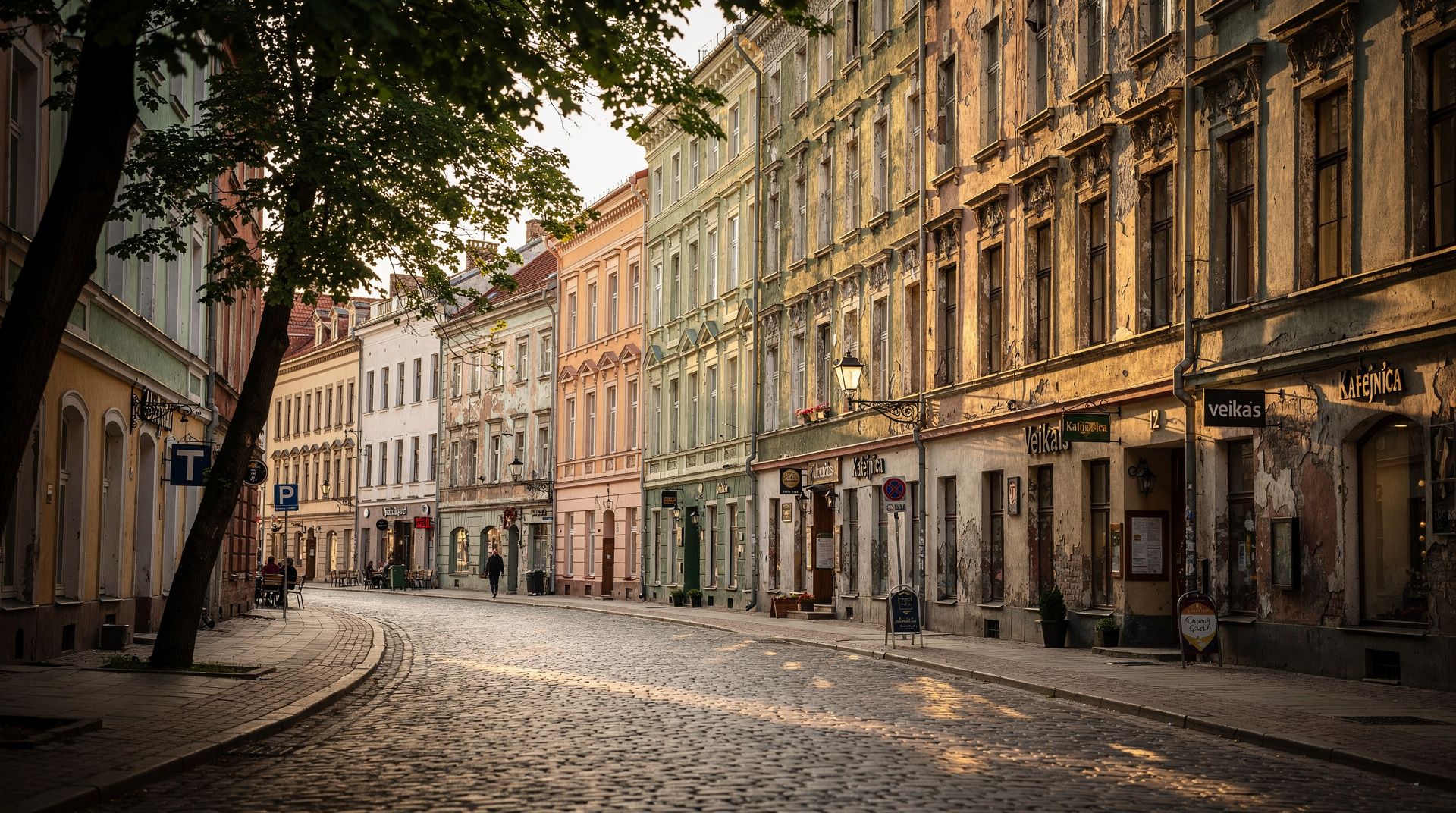
Riga: guided Old Town walking tour
- Free cancellation
- Small group
- English guide
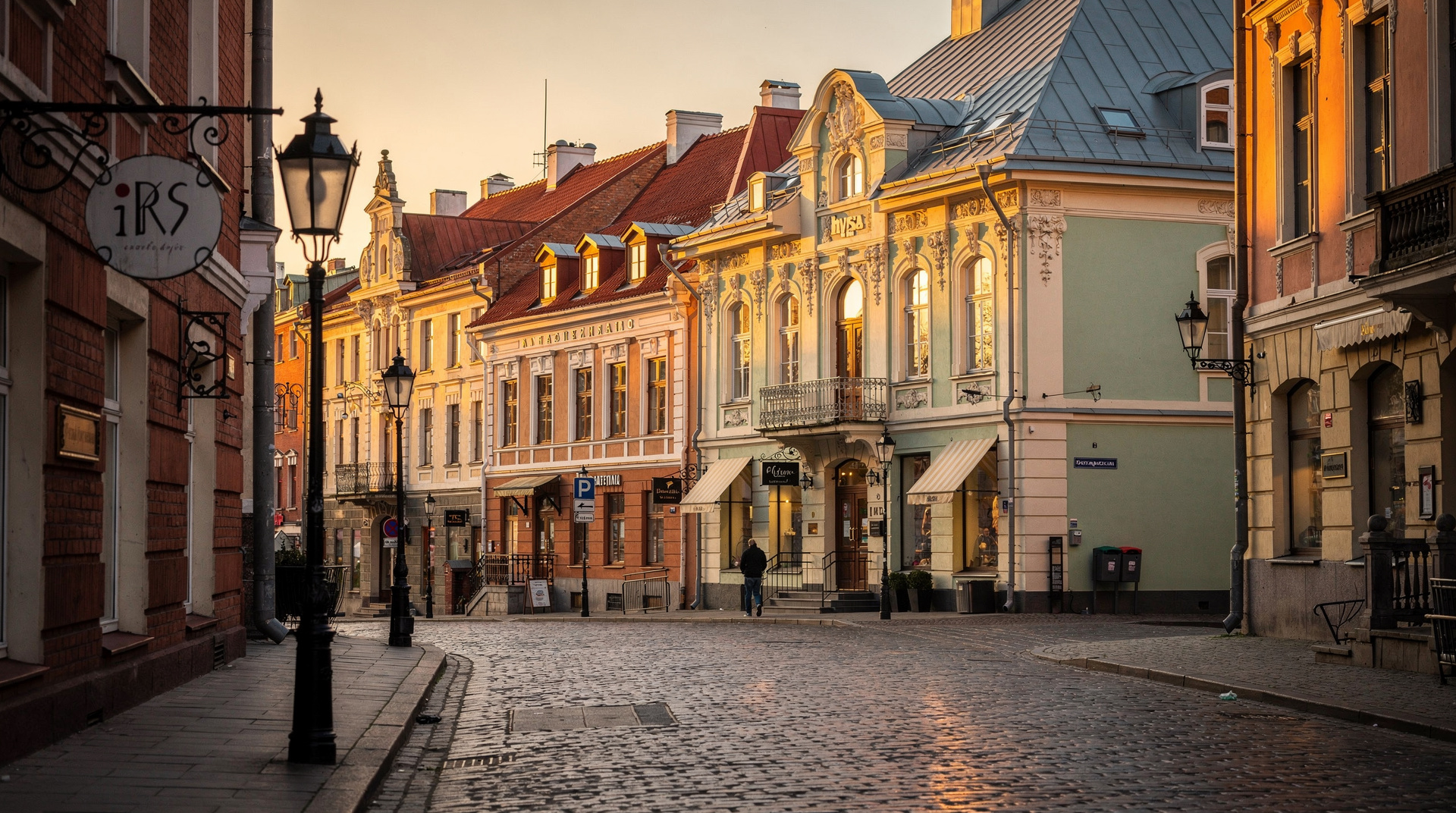
Riga: 2-hour history of Art Nouveau walking tour
- Free cancellation
- Small group
Riga: canal and Daugava cruise on a historic wooden boat
- Free cancellation
- Best seller
Two countries in one day: day trip from Riga to Tallinn
- Hotel pickup
- Long day trip