Riga art museums — the honest best-of guide
Riga: Latvian art museum, dinner and Black Balsam tasting
Duration: 4 hours
- Dinner
- Museum entry
What is the best art museum in Riga?
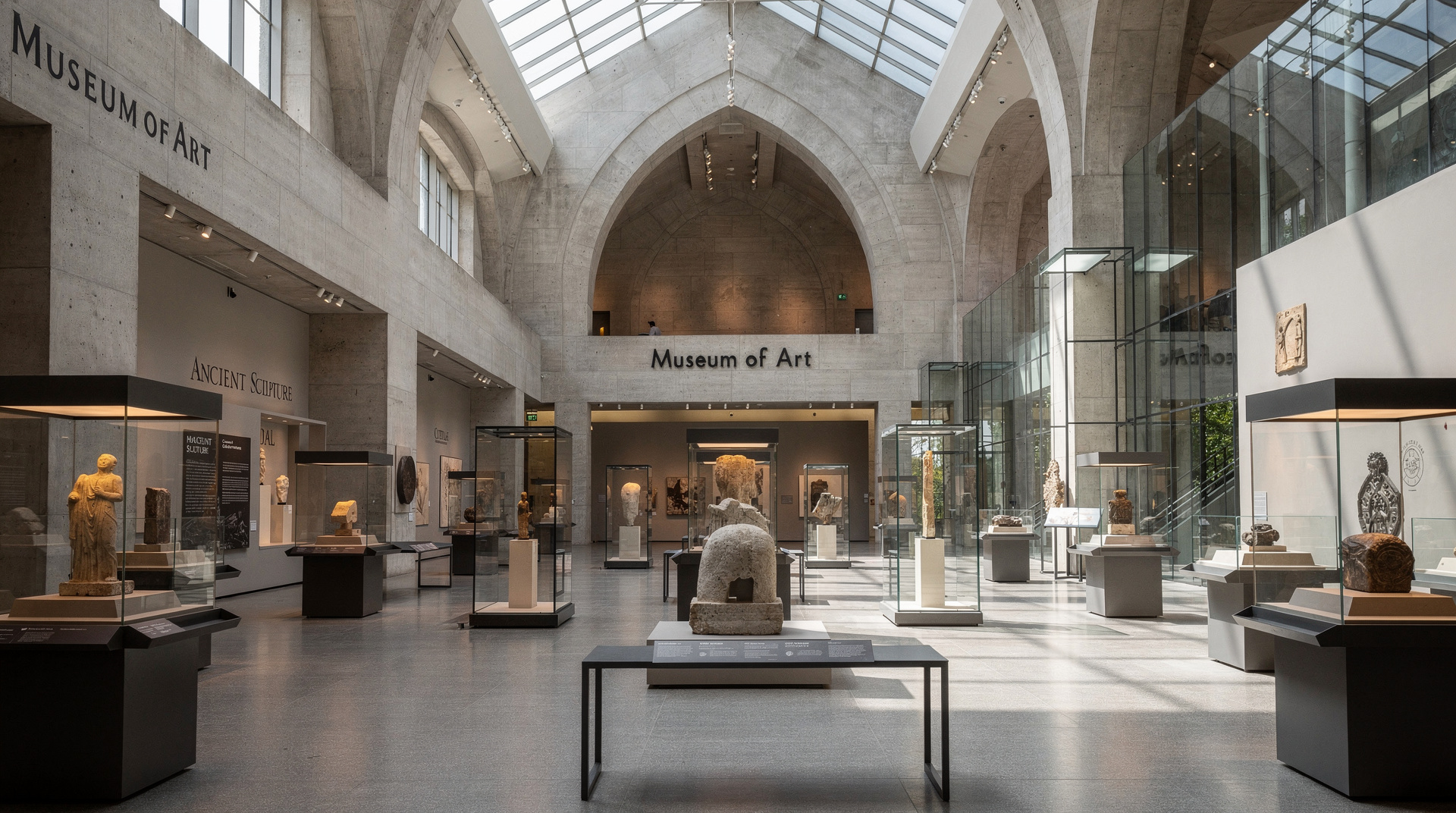
The Latvian National Museum of Art (Latvijas Nacionālais mākslas muzejs) on Valdemāra iela is the essential starting point — a comprehensive collection of Latvian art from the 19th century to the present in a magnificent 1905 Neoclassical building. Entry €5–7. Closed Tuesdays.
| Must-see | Latvian National Museum of Art, €7, closed Tuesdays |
| Best for contemporary | Kim? Contemporary Art Centre, Spīķeri district, €3–5 |
| Time needed | 2–3 hrs for LNMM alone, half a day for the circuit |
| Museum pass | Riga Card, €30–55 for 24–72 hrs |
| Rothko note | Separate day trip to Daugavpils, 2 hrs by train |
Riga’s art museum landscape — smaller but better than you expect
Riga’s art museum scene operates on a scale appropriate to a city of 600,000 rather than a European capital, which means the individual institutions are manageable, the queues are non-existent, and the quality-to-effort ratio is considerably better than in cities ten times the size. You can genuinely spend 2–3 hours in the National Museum of Art without feeling rushed, and most visitors who intend a 45-minute stop end up staying for two hours.
The other characteristic is the specificity of the collection. Latvian art museums are not generalist encyclopedic institutions in the London or Vienna mode; they focus on Latvian, Baltic German, and broader Baltic art traditions that are genuinely unfamiliar to most international visitors. That unfamiliarity is the opportunity: Jānis Rozentāls’ Symbolist paintings are as accomplished as anything produced in Scandinavia at the same period, and most visitors have never heard of him.
The Latvian National Museum of Art
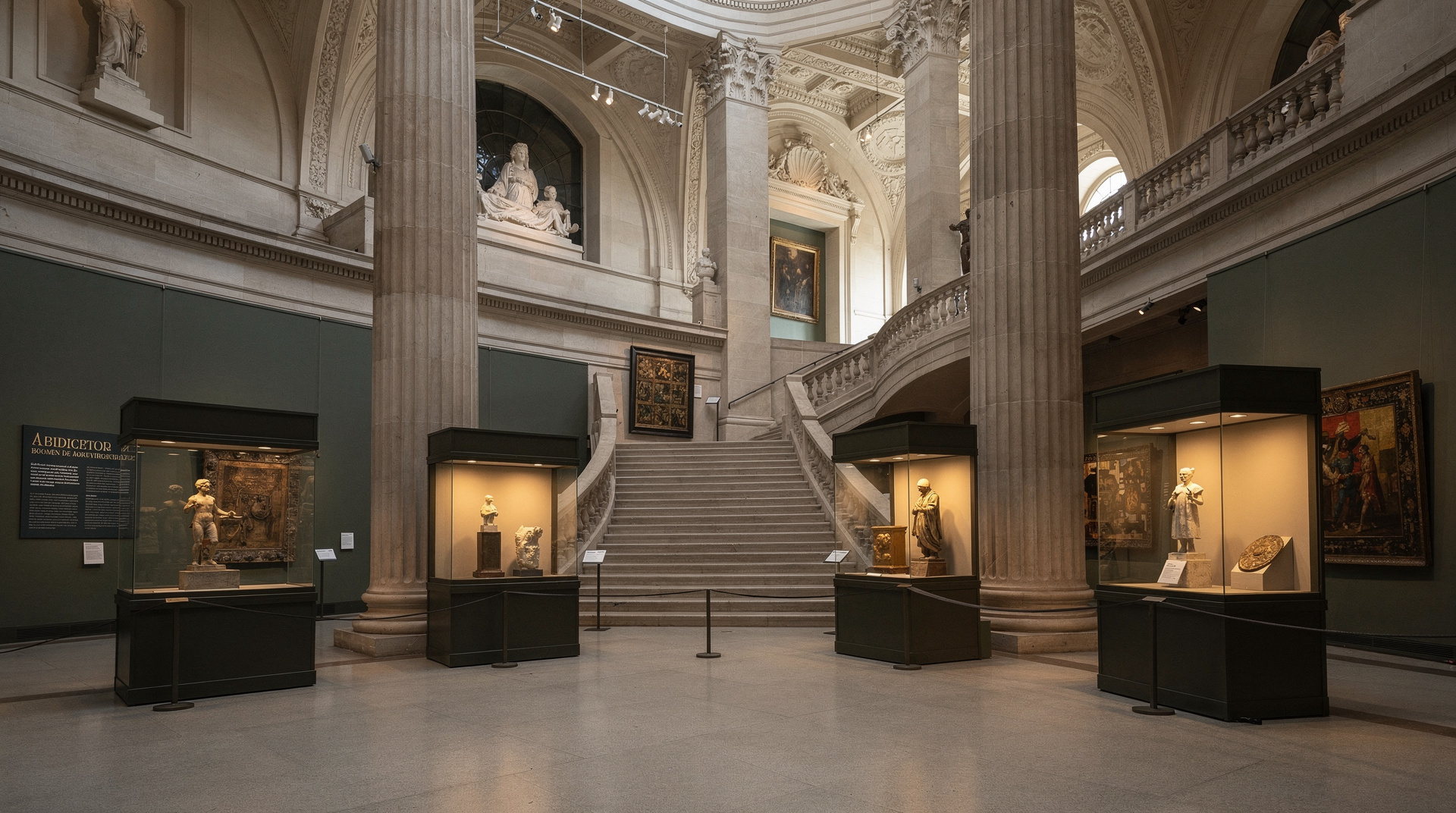
The mandatory starting point. The Latvijas Nacionālais mākslas muzejs (LNMM) on K. Valdemāra iela 10a occupies a 1905 Neoclassical building designed by Wilhelm Neumann — a broad-fronted, columned structure that projects cultural confidence from across the park. The building was designed specifically as a museum and the proportions of the galleries (high ceilings, top-lit central halls) work exceptionally well for the permanent collection.
The permanent collection: The LNMM holds approximately 53,000 works, of which a rotation is on permanent display. The collection is organized roughly chronologically and by style:
- Baltic German academic painting (18th–19th century) — portraits, landscapes, the institutional culture of the German-speaking ruling class
- Latvian national awakening period (late 19th century) — this is the cultural heart of the collection. Jānis Rozentāls, the painter most associated with Latvian national consciousness, is represented comprehensively. His large-format Symbolist paintings are extraordinary — fluid, atmospheric, emotionally resonant.
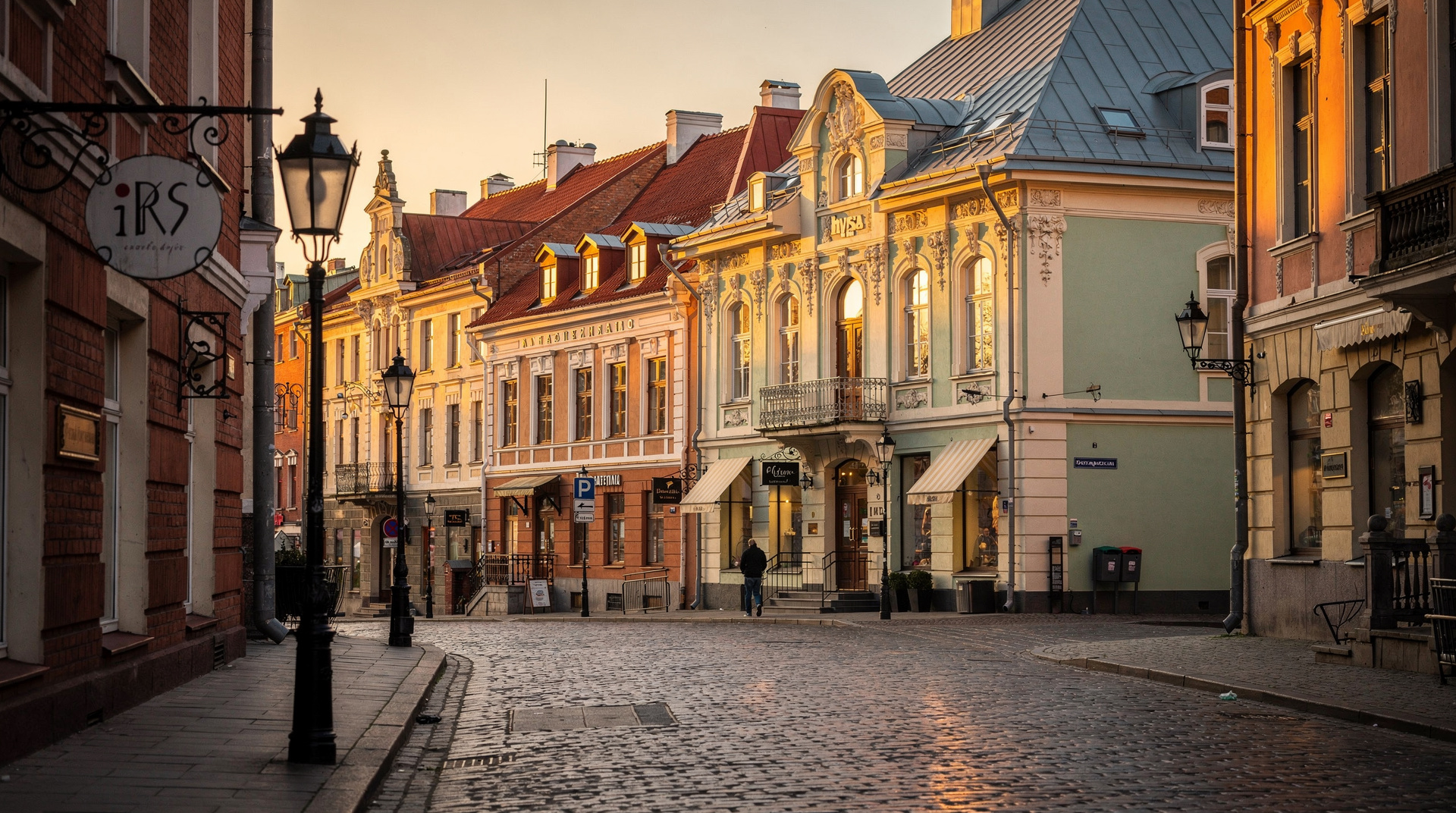
- Latvian Art Nouveau and early 20th century — the same movement that produced the architectural legacy visible on Alberta iela
- Soviet period (1940–1991) — carefully contextualized, including both the officially sanctioned work and documentation of artists who worked outside official approval
- Contemporary Latvian art (post-1991) — a substantial holding that reflects the vitality of the current Latvian art scene
Practical: Entry €7 adults, €4 students/seniors, children under 16 free with adult. Open Wednesday–Monday 10:00–18:00 (until 20:00 on Thursdays). Closed Tuesday. Audio guide available €3. The café on the ground floor is good.
Riga: Latvian art museum, dinner and Black Balsam tasting — €85, 4 hoursA guided evening tour of the museum that includes dinner and a Black Balsam tasting afterward — an unusual and enjoyable combination for visitors who want cultural context with their evening out.
Riga Art Space and the Spīķeri complex
The Spīķeri (Spice Warehouses) district adjacent to the Central Market is the most significant contemporary art location in Riga. The 19th-century red-brick warehouse buildings have been converted into a mixed-use arts district that includes galleries, the Kim? Contemporary Art Centre, artist studios, and exhibition spaces.
Kim? Contemporary Art Centre is the most internationally connected contemporary art institution in Latvia. It hosts exhibitions by Latvian and international artists, often with a conceptual or social-political focus, and has been included in international contemporary art circuit listings since the late 2000s. Entry is usually €3–5, pay-what-you-wish for some openings. Open Thursday–Sunday 12:00–19:00.
Riga Art Space in the same district focuses on contemporary Baltic and Northern European art with a more commercial gallery model. Entry €5. Temporary exhibitions change monthly.
Latvian Museum of Decorative Arts and Design
The Latvijas Dekoratīvās mākslas un dizaina muzejs (LMDMD) on Skārņu iela 10 (in the Old Town) focuses on applied arts and design from the 19th century to the present — ceramics, textiles, metalwork, furniture, graphic design, and jewelry. It is a smaller institution than the National Museum but the collection is excellent and the building (a converted medieval warehouse) is atmospheric.
Particularly strong: the collection of traditional Latvian textile patterns (the geometric motifs that appear on historical national dress), the Soviet-era industrial design section, and the contemporary Latvian design gallery. For visitors interested in design rather than fine art, this is the Riga museum that most repays attention.
Practical: Entry €3 adults. Open Wednesday–Sunday 10:00–18:00. Closed Monday–Tuesday.
Mark Rothko Art Centre — Daugavpils, not Riga
No guide to Latvian art museums is complete without mentioning the Mark Rothko Art Centre in Daugavpils, 230 km from Riga, which holds the world’s largest collection of original Rothko works (the artist was born in Daugavpils). This is a genuinely world-class institution that attracts art pilgrims from across Europe.
It is not, however, a Riga day trip — Daugavpils is 2 hours by direct train (€8–10) and requires a full day or overnight. For serious Rothko enthusiasts, it is worth the journey. For everyone else, a future visit when the itinerary allows. See the Daugavpils destination guide for the full logistics if you decide to make the trip.
Honest recommendations by visitor type
For a first cultural day in Riga: The Latvian National Museum of Art + a walk through the Art Nouveau district is the strongest single day. Allow 2.5 hours for the museum and 1.5 hours for the walk.
For contemporary art: Kim? Contemporary Art Centre in the Spīķeri district, combined with a walk through the warehouse complex and the Central Market area.
For design: The Latvian Museum of Decorative Arts and Design in the Old Town.
For the full Riga cultural circuit (3+ days): National Museum of Art + Occupation Museum + Ethnographic Open-Air Museum + Kim? + Decorative Arts = a genuinely substantive cultural experience.
See also: Riga history museums overview for the historical side of the collection, and the Latvian Ethnographic Open-Air Museum guide for the largest outdoor cultural site in Latvia.
Latvian Art Nouveau and the museum collections
The Art Nouveau architectural heritage visible in the streets of the Quiet Center has a corresponding collection presence in Riga’s museums that is worth knowing about. The Latvian National Museum of Art holds significant Art Nouveau applied arts — furniture, ceramics, jewelry, and graphic design from the 1895–1915 peak period — that provide the material culture context for the architectural tour.
The connection is personal: many of the artists whose work hangs in the LNMM designed or consulted on the buildings visible on Alberta iela. Jānis Rozentāls (whose paintings are central to the LNMM collection) was friends with Mikhail Eisenstein (the architect of the most exuberant Alberta iela buildings) and moved in the same cultural circles. Understanding one medium helps you understand the other.
The Art Nouveau Museum at Alberta iela 12 (a separate institution) focuses specifically on the interior design context: a preserved Art Nouveau apartment interior with original furnishings, wallpaper, and decorative arts from the 1903 period. Entry €8. The most direct connection between the architecture and its interior culture.
The Latvian Academy of Arts — student exhibitions
The Latvijas Mākslas akadēmija (Latvian Academy of Arts), on Kalpaka bulvāris near the Old Town, opens its degree show exhibitions to the public each spring (usually May–June). These shows display work by graduating students from the fine art, design, ceramics, textile, and media art programs — a 300+ student institution with significant recent international recognition.
The degree shows are free to enter and represent the most current output from Latvian art education. Several established Latvian artists of the past decade were discovered at Academy degree shows by Riga gallery directors.
For visitors interested in contemporary art, the Academy show is worth timing a visit around if the dates coincide. Check the Academy website (lma.lv) for the current exhibition schedule.
A one-day museum circuit, timed out
For visitors who want a structured single day rather than picking and choosing, here is a realistic sequence that respects both opening hours and walking distances.
09:30 — Latvian National Museum of Art. Arrive near opening for the emptiest galleries. Budget 2–2.5 hours, more if the Rozentāls rooms hold your attention (they usually do).
12:00 — Lunch near Elizabetes iela. The museum sits close to the Quiet Center; a short walk brings you to the Bergs Bazaar restaurant cluster for lunch before continuing.
13:30 — Walk to Spīķeri (25 minutes, or a 10-minute Bolt). Spend an hour at Kim? Contemporary Art Centre and a browse of Riga Art Space.
15:00 — Latvian Museum of Decorative Arts and Design. Back toward Old Town, allow 45–60 minutes for the applied-arts collection.
16:15 — Art Nouveau Museum, Alberta iela 12. If time allows and you haven’t already visited, this closes the loop between the National Museum’s Art Nouveau holdings and the district where the style actually lives on the street.
This sequence covers roughly 6–6.5 hours including lunch and walking, and touches every major art institution in central Riga without backtracking. Skip the Decorative Arts stop if time is tight — it’s the most skippable of the five for visitors without a specific design interest.
Gallery system in the Quiet Center
The dozen or so commercial galleries in the Quiet Center (particularly on Elizabetes iela, Tērbatas iela, and Brīvības iela) represent Riga’s primary market for contemporary Latvian art sales. These galleries are free to enter and function as both exhibition and sales spaces. The quality varies significantly — some are established institutions with serious curatorial programs; others are primarily tourist-oriented with decorative reproductions.
The most reputable: Bastejs gallery on Basteja bulvāris (contemporary Latvian painting and sculpture), Māksla XO on Elizabetes iela (conceptual and video art), and the Valters gallery on Aspazijas bulvāris (established Latvian masters and emerging artists).
Walking the gallery circuit on a Friday evening (when many galleries have opening receptions) gives a concentrated view of what is active in the city’s contemporary art scene. Most openings are informal and welcome anyone who arrives.
Photography in Riga’s museums
Photography policies in Riga museums:
LNMM (National Museum of Art): Photography permitted in the permanent collection without flash. No selfie sticks or tripods without prior permission. Video recording requires museum approval.
Kim? Contemporary Art Centre: Photography varies by exhibition — check at the door or on the exhibition notices. Many contemporary artists restrict photography of their work.
Latvian Museum of Decorative Arts and Design: Photography permitted throughout (no additional fee, unlike Rundāle).
Occupation Museum: Photography permitted throughout the permanent exhibition. The individual testimony booths ask visitors to refrain from filming other visitors using the audio stations.
The contrast with Rundāle Palace (which charges an additional €3 for photography) is worth noting — Riga’s city museums are significantly more visitor-friendly on this point.
Museum shops worth a browse
Several Riga art museums have shops that are worth ten minutes even if you’re not a big spender, particularly for gifts that are more distinctive than the standard Old Town souvenir shop offerings.
LNMM shop — has the best selection of Latvian art books in English, plus prints and postcards of works from the permanent collection, including Rozentāls reproductions not easily found elsewhere.
Art Nouveau Museum shop (at Alberta iela 12) — sells design-focused items referencing the period’s ornamental motifs: jewellery, notebooks, and small decorative objects that make genuinely distinctive gifts compared to generic magnet-and-postcard souvenirs.
Kim? shop — smaller and more irregular in stock, but occasionally has artist-made zines, prints, and limited editions from exhibiting artists, appealing to visitors with a specific interest in contemporary Baltic art.
None of these require museum admission to browse — all are accessible from the entrance lobby areas.
A note on museum opening hours and closures
Almost all Riga museums close on either Monday or Tuesday — a standard European museum convention. The LNMM closes Tuesday; the Occupation Museum closes Monday. If your Riga itinerary has a single culture day, ensure you have checked the day of the week against each museum’s closure day before planning.
The museum landscape also closes for Latvian public holidays (Jāņi in June, Independence Day in November, Christmas). Check specific closures at the individual museum websites if visiting around a public holiday.
For the full list of Riga public holidays and events that affect museum access, see Riga public holidays and events calendar.
For budgeting a museum-heavy day, including whether the Riga Card is worth it for your specific itinerary, see the Riga money and real prices guide.