Mežaparks: Riga's green suburb and the city's largest park
Mezaparks guide for Riga: forest park walks, the zoo, historic garden suburb streets and how to reach this green escape from the city centre.
Riga Explorer bike tour
Duration: 3 hours
- Small group
- Bike rental included
Quick facts
- Distance from Old Town
- 7 km north; 20 min by tram 11
- Riga Zoo
- Open daily 10:00–17:00 (extended hours in summer)
- Great Open-Air Stage
- Hosts the Latvian Song and Dance Festival
- Pine forest area
- Jogging, cycling, and picnic trails
- Getting there
- Tram 11 from city centre to Mežaparks stop
The green lung of Riga
Seven kilometres north of Old Town along the Kišezers lake shore, Mežaparks (literally “forest park”) is where Riga residents come when they need to remember what a city of 650,000 people looks like from a park bench under pine trees. It is one of the largest urban parks in Europe — over 200 hectares of mixed pine and deciduous forest — and it contains the city zoo, an extraordinary Soviet-era open-air concert stage, a historic garden suburb of wooden villas, and cycling paths that connect all of it to the city without requiring a car.
For the visitor, Mežaparks offers something that Old Town and the Art Nouveau district cannot: green space, breathing room, and a morning or afternoon that looks like how Riga residents actually spend their leisure time rather than how tourists are channelled through the city.
What to see and do in Mežaparks
The Mežaparks Grand Open-Air Stage
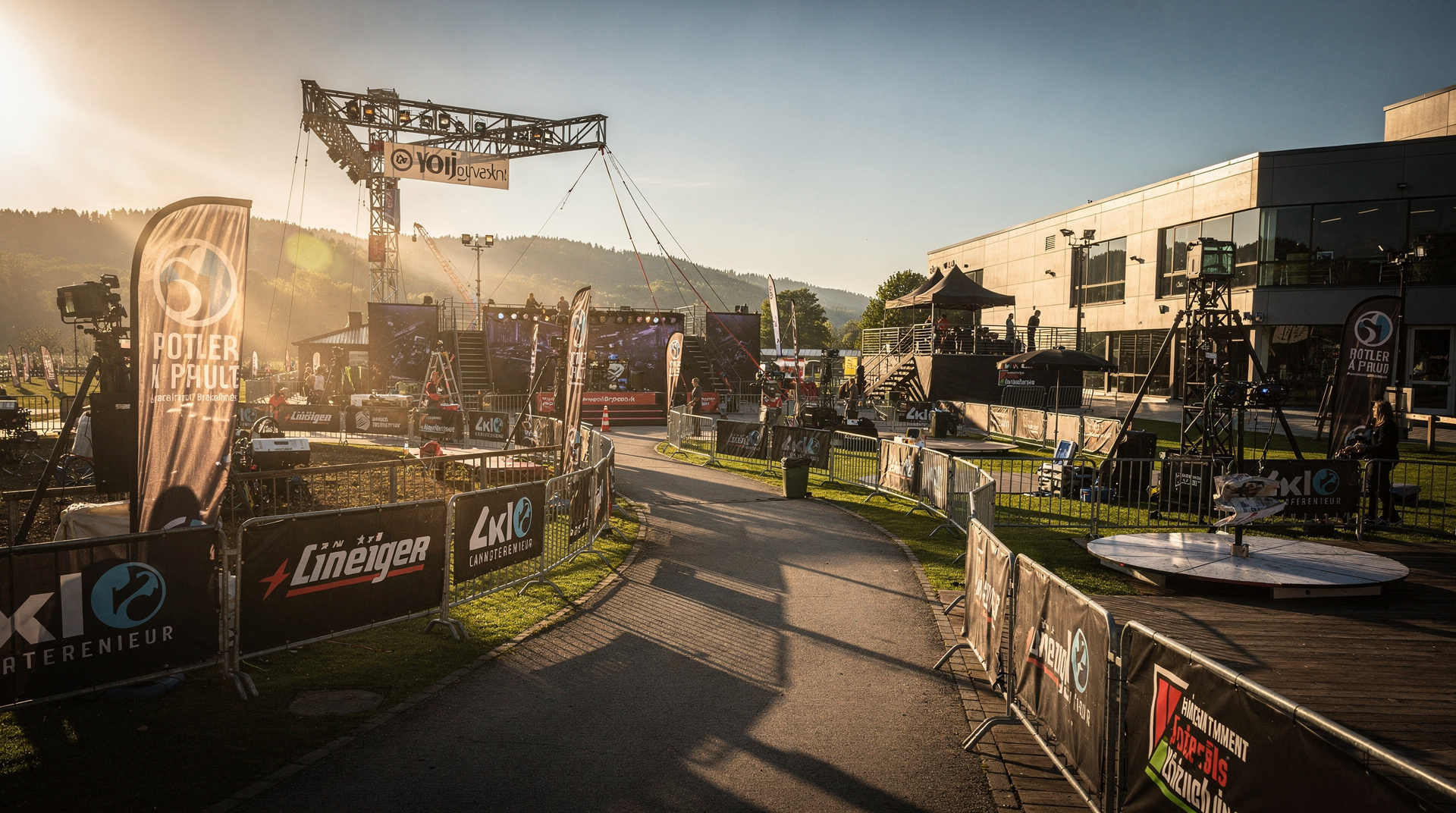
The Great Open-Air Stage (Lielā estrāde) is a massive open-air amphitheatre built during the Soviet period on the model of earlier pre-war stages, designed to hold 30,000 seated spectators and accommodate choirs of up to 16,000 singers simultaneously. It exists primarily for the Latvian Song and Dance Festival (Dziesmu un Deju svētki), which takes place every five years and is the largest organised amateur performance event in Europe — approximately 30,000 performers and 100,000 spectators over several days. The festival is a UNESCO Intangible Cultural Heritage of Humanity.
Even outside festival years, the stage itself is worth seeing: its scale is extraordinary, set among pines with the lake behind. In summer months, various smaller concerts use the venue. In non-festival years, the grounds are open for walking.
Riga Zoo (Rīgas Zooloģiskais dārzs)
One of the oldest zoos in the Baltics, Riga Zoo has been located in Mežaparks since 1912. The current collection includes over 3,000 animals across 570 species — lions, tigers, giraffes, elephants, and a well-regarded primate collection alongside the Baltic-specific wildlife (lynx, wolves, European bison). Recent renovation work has improved the large mammal enclosures significantly.
Opening hours: daily 10:00–17:00 (extended to 19:00 in summer). Adult ticket approximately €9, children €5. The zoo covers a large area — budget at least two hours for a meaningful visit with children.
For families, Mežaparks plus the zoo is the single best full-day option in Riga outside the main tourist circuit. Pack a picnic (there is a good supermarket near the tram stop) and plan three to four hours.
Cycling through the forest and along Kišezers
The cycling infrastructure in and around Mežaparks is the best in Riga. A network of paved and compacted-gravel paths runs through the forest, along the Kišezers lake shore, and connects back to the city via the Daugava embankment. The full loop — Mežaparks forest, lake shore, and return to city centre — takes about 1.5–2 hours on a standard bike.
The Riga Explorer bike tour is a guided city cycling tour that often includes Mežaparks and shows the lake and forest in context with the broader city. It is the most efficient way to get oriented by bike in Riga.
Join the Riga Explorer guided bike tour (€32, 3 hours)For self-guided exploration, an electric bike rental gives you the range to cover both Mežaparks and other districts of interest in a day without exhausting yourself.
Rent an electric bike in Riga (€35, 6–24 hours, includes helmet and lock)The Mežaparks garden suburb
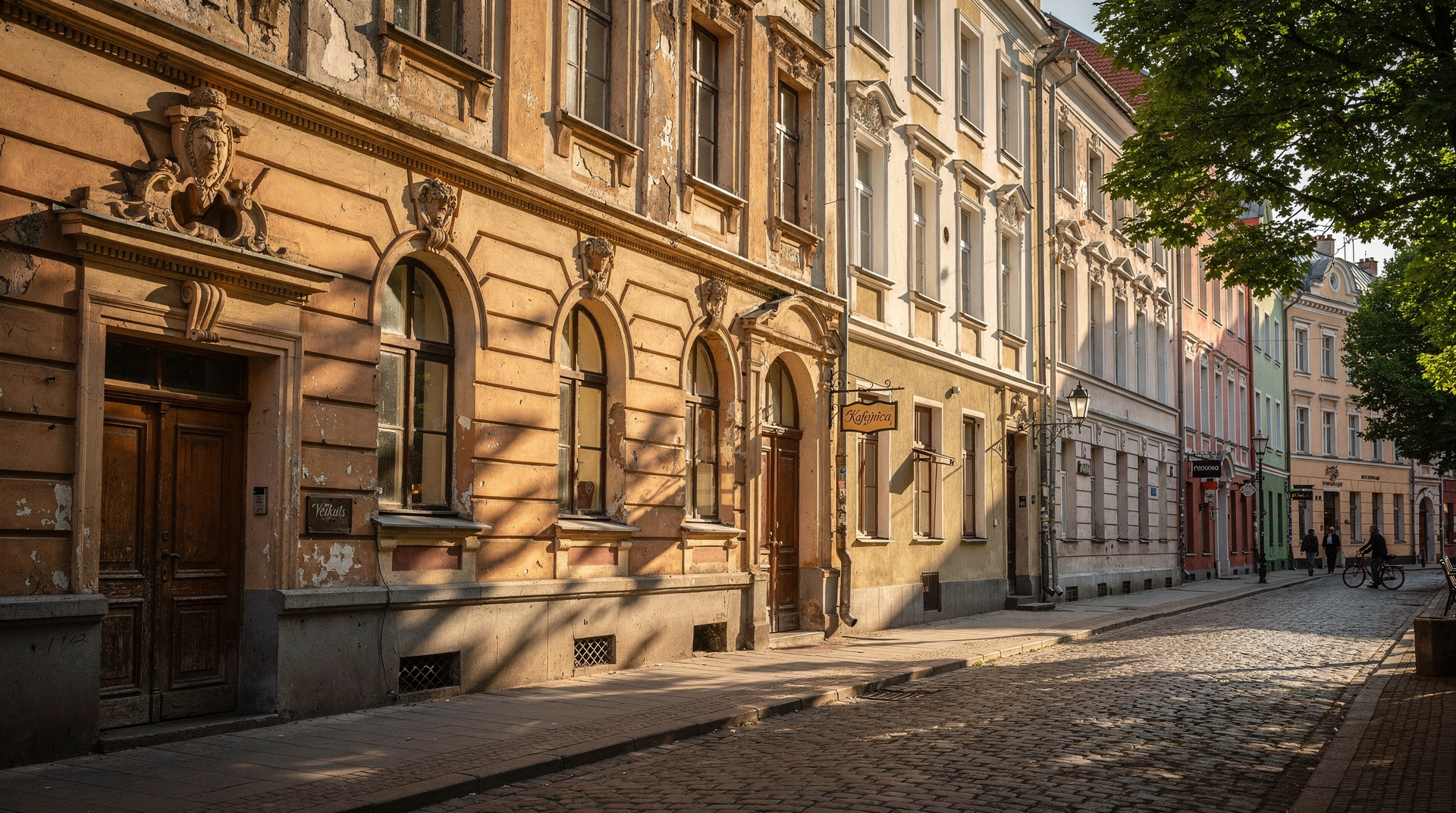
Between the park and the Kišezers lake shore lies one of the best-preserved wooden villa suburbs in Latvia. The houses date from the early 20th century — large, individually designed wooden villas with carved balconies and decorative eaves, surrounded by mature gardens. The suburb was developed as a summer retreat for the Riga bourgeoisie and the architectural quality is high. Wandering the residential streets (Kokneses prospekts, Viesturaela, and the streets between them) for 30 minutes gives a sense of what prosperous early-20th-century Latvian domestic life looked like. Many villas are now permanent residences; some have become boutique guesthouses.
Kišezers and Jugla lakes
The Kišezers and Jugla lakes form a connected body of water on the western edge of Mežaparks. Swimming is officially permitted at the designated Kišezers beach on warm summer days (water temperature reaches 20–22°C in July–August). Locals jog, kayak, and in winter ice-skate when conditions allow. The waterfront path from the lake shore to the park is one of the most pleasant 30-minute walks in the city.
Getting to Mežaparks
By tram: Tram 11 from the city centre (stop at Elizabetes iela near the Art Nouveau district) runs to Mežaparks in about 20–25 minutes. Alight at Mežaparks or Kokneses prospekts stop depending on your destination. A single trip costs €1.15 with the Rīgas Satiksme card.
By bike: A 35–45 minute ride from Old Town, mainly on dedicated cycling infrastructure along the Daugava embankment and city cycling paths. Highly recommended on a fine day — it gives you a ground-level sense of the city’s scale and its transition from urban core to suburban green.
By Bolt: approximately €10–12 from Old Town, 15–20 minutes depending on traffic. Practical if you are combining Mežaparks with a late arrival or have young children.
Honest tips for visiting Mežaparks
It is not the main event, and that is fine: Mežaparks is a secondary attraction compared to Old Town or the Art Nouveau district. Plan it as a contrast — a morning of cobblestones and facades followed by an afternoon of pine trees and a lake. That rhythm is how Riga works best over two or three days.
The zoo is better than its reputation suggests: it often gets dismissed in travel guides as a minor attraction. The renovation work in the 2010s–2020s has genuinely improved conditions, and for families with children under 12 it provides a very solid half-day. The European bison enclosure and the primate section are the highlights.
Come on a weekday if possible: weekends in summer see significant local crowds at the zoo and the lake beach. Weekday mornings are quiet enough to have large sections of the park to yourself.
The open-air stage is only truly alive during the Song Festival: check the dates (every five years; next festival 2028) if this is a specific motivation. Outside festival periods the stage grounds are interesting as a piece of Soviet cultural infrastructure but do not offer performances to watch.
Combine with Ķīpsala island: if you are cycling, the route from Mežaparks can swing back through the city via Ķīpsala island in the Daugava — a quiet residential island with wooden houses and views of Old Town from the opposite bank. It adds 30–40 minutes to the return cycle and is worth it on a clear afternoon.
Food options are limited: Mežaparks is a park and residential suburb, not a dining destination. Pack food from the Central Market or a supermarket, or plan lunch at the café inside the zoo (canteen quality, priced for families). The nearest good café is back in the Art Nouveau district — Rocket Bean Roastery on Miera iela, a 15-minute ride.
Mežaparks vs Ķīpsala/Andrejsala: which quiet Riga escape?
Visitors who want to step outside the tourist centre for an afternoon often ask whether Mežaparks or the Ķīpsala and Andrejsala riverside districts are the better use of limited time. They serve different purposes.
| Mežaparks | Ķīpsala / Andrejsala | |
|---|---|---|
| Type of escape | Forest, lake, zoo — full nature reset | Riverside, wooden houses, urban-edge |
| Distance from Old Town | 7 km / 20–25 min by tram | 10–15 min on foot |
| Best for | Families, cyclists, a full half-day outdoors | Photographers, a shorter 1.5–2 hour outing |
| Food options | Very limited — bring a picnic | Also limited but closer to central Riga for a food run |
| Combine with | Ethnographic Open-Air Museum, Song Festival stage | Old Town boat cruise, Āgenskalns |
If you have a spare half-day and want a genuine change of pace with children or a bike, Mežaparks wins. If you have a spare 90 minutes and want the best photography of the Old Town skyline from an unusual angle, Ķīpsala is the more efficient choice. Both are legitimate answers to “what should I do that isn’t the historic centre?” and, time permitting, they can be done on separate days of the same trip.
A realistic half-day plan for Mežaparks with kids
Families often ask how to structure a Mežaparks visit so it does not become a long slog with tired children. A workable rhythm: take Tram 11 mid-morning (avoiding the school-run crowding of early morning trams), arrive at the zoo for opening or shortly after when animals are most active, spend two hours there with a break at the canteen café, then walk or take a short Bolt to the lake shore for 30–45 minutes of unstructured time — feeding ducks, paddling if the weather allows, simply running around on grass, which after a morning of walking is often what children want most.
Save the forest cycling paths for a return visit with older children who can manage a longer ride; younger kids tire quickly on the unpaved sections. Pack a full picnic rather than relying on the zoo canteen for lunch — it is adequate but not good value for a full family meal, and eating outside by the lake is more pleasant than the canteen tables in summer.
Frequently asked questions about Mežaparks
Is Mežaparks worth visiting for someone with only two days in Riga?
Probably not — with two days, your time is better spent in Old Town, the Art Nouveau district, and possibly the Central Market. Mežaparks rewards visitors who have already seen the central sights and want to experience a different tempo of city life. See the 2-day Riga itinerary for what to prioritise.
What is the Latvian Song and Dance Festival?
The Latvian Song and Dance Festival (Dziesmu un Deju svētki) is a massive national celebration of Latvian choral and folk dance culture, held every five years in Riga. The finale at the Mežaparks Great Open-Air Stage involves tens of thousands of performers and is one of the most extraordinary live events in Europe — and one almost unknown outside Latvia. It is listed as a UNESCO Intangible Cultural Heritage of Humanity. If you can time a trip to Latvia during a festival year, do.
Is the Riga Zoo good?
Better than average for a Baltic capital zoo. The collection is large, the European and Asian megafauna are well-represented, and the recent renovation work shows. The historic setting in the pine forest is unusual and attractive. If you are travelling with children, it is genuinely the best option in Riga for a full morning.
How do I get from Mežaparks to the Old Town?
Tram 11 from the Mežaparks stop (direction city centre) takes 20–25 minutes to Elizabetes iela near the Art Nouveau district. Or continue to Old Town by walking 15 minutes through the canal park. By bike, the return route along the Daugava embankment takes 35–45 minutes.
Is cycling safe in and around Mežaparks?
Yes — Riga has invested significantly in cycling infrastructure and the routes around Mežaparks and along the Kišezers lake shore are well-maintained, largely separated from motor traffic, and well-signposted. The route from the city centre to Mežaparks (via the Daugava embankment) is the most used recreational cycling route in Latvia. Helmets are provided with bike rentals and are advisable.
What other parks are worth visiting in Riga?
Riga is a genuinely green city. Beyond Mežaparks, the main parks worth knowing: Bastejkalns (Bastion Hill) is the closest park to Old Town — a canal-side garden on the former fortification earthworks, perfect for a 20-minute walk between the Old Town and the Art Nouveau district. Vērmanes Garden (Vermanis dārzs) in the city centre is a formal 19th-century garden with a fountain and café, popular with office workers at lunch.
Uzvaras parks (Victory Park) in Pārdaugava, across the river, is the largest flat park in the city and has a Soviet Victory Monument that is historically significant if politically complex. For nature rather than park, the Gauja National Park is a one-hour train ride and has full hiking infrastructure — see the Gauja National Park guide for details.
What is Mežaparks like in winter?
Quiet and cold. The zoo remains open through winter with reduced hours and a smaller percentage of outdoor animals visible. The forest is genuinely beautiful in snow — the pine canopy with a cover of white and the stillness of the lake are worth the trip on a clear winter day. Ice skating is possible on Kišezers when the lake freezes (usually January–February in colder years, not every year). Cycling is possible on dry winter days but not when icy. The city runs a range of winter events including some at the Great Open-Air Stage. In general, Mežaparks is a four-season park but it is most rewarding in spring (May, when migratory birds return to the lake) and summer (June–August, when the lake is swimmable and the forest is lush).
How do I get to the Song and Dance Festival at Mežaparks?
The Latvian Song and Dance Festival happens every five years (the next edition after 2023 will be 2028). During the festival, Riga runs special transport arrangements — extra trams, dedicated shuttle buses, and park-and-ride from outside the city — as the event draws over 100,000 spectators on the final day at the Great Open-Air Stage. Book accommodation as far in advance as possible (6–12 months is not excessive for the peak festival weekend). Day events take place at multiple venues across the city before the final concert in Mežaparks. The festival website publishes programmes 6–12 months in advance; tickets for the Open-Air Stage final event sell out quickly.
What else is near Mežaparks that is worth seeing?
The Latvian Ethnographic Open-Air Museum (Latvijas Etnogrāfiskais brīvdabas muzejs) is located immediately adjacent to Mežaparks, about 10 minutes’ walk east of the zoo, on the shore of Lake Jugla. It is one of the largest open-air museums in Europe, covering over 80 hectares and featuring more than 100 relocated traditional farmsteads, fishing villages, and estate buildings from across Latvia, dating from the 17th to the early 20th century.
Traditional craft demonstrations take place on weekends in summer. It deserves at least 2 hours on its own; combined with Mežaparks and the zoo, the area can fill a full day for travellers who are interested in Latvian cultural history. The entrance fee is approximately €5; closed Mondays. For details, see our open-air museum guide.
Are there any cafés or restaurants in Mežaparks?
There is a canteen café inside the zoo (decent quality for the price, aimed at families), a seasonal kiosk near the park entrance, and occasional food trucks near the Great Open-Air Stage during events. For something better, Miera iela (15–20 minutes’ cycle from Mežaparks, or 20 minutes by tram 11 back to the city) has the best café selection in Riga outside the tourist centre. Rocket Bean Roastery at Miera iela 31 is the anchor. If you are making a full day of Mežaparks, the most practical strategy is to bring food — a picnic from the Central Market or a supermarket — and eat in the park.
Is Mežaparks accessible by public transport from the airport?
Yes, though it requires a change. Take Bus 22 from RIX airport to Abrenes iela (near Old Town/Central Market), then take Tram 11 north from the city centre to Mežaparks. Total journey: approximately 45–55 minutes and €2–3. If you are arriving with luggage and heading directly to a hotel in Mežaparks (some visitors stay in the quiet garden suburb villas), a Bolt from the airport is around €15–18 and takes 25–30 minutes depending on traffic.
What should I wear for a day in Mežaparks?
The forest paths and the zoo grounds are best navigated in comfortable walking shoes or trainers. The park is mostly flat but some of the lakeside paths are unpaved and can be muddy after rain. In spring and autumn, bring a waterproof layer — Latvia’s weather changes quickly and the forest does not provide much shelter in heavy rain.
In summer, sun protection is worth considering in the open areas around the lake and the zoo’s outer sections. In winter, the paths are salted but can be icy; crampons are rarely needed but good boots are essential. The tram ride from the city centre is heated in winter and has no particular dress requirements. See our Riga weather month-by-month guide for season-specific packing advice.
Can I combine Mežaparks with Ķīpsala or Andrejsala on a bike?
Yes, and it is one of the better full-day cycling routes in Riga for confident riders. From Mežaparks, follow the Daugava embankment cycling path south back toward the city centre, continue past Old Town, and cross to Ķīpsala via the Vanšu Bridge cycling lane. The full loop — forest, lake, riverside, wooden houses — takes 3–4 hours at a relaxed pace and shows the full range of Riga’s green and residential character in a single outing.
Is Mežaparks worth it if I am not travelling with children?
Yes, particularly for cyclists and anyone who wants a genuine sense of how Riga residents spend leisure time outside the tourist economy. The garden suburb’s wooden villas are architecturally interesting independent of the zoo, and the lake shore is a pleasant, uncrowded place to walk regardless of whether you have children along.
Top experiences
Bookable activities with verified prices and instant confirmation on GetYourGuide.