
Self-guided vs guided tours in Riga: what's actually worth it?
Riga: guided Old Town walking tour
Duration: 2 hours
- Free cancellation
- Small group
- English guide
Should I book guided tours in Riga or explore independently?
Both — strategically. Riga's Old Town is walkable independently (free). Art Nouveau district: a guide makes a major difference (€22). Soviet history: a guide is nearly essential (€25). Day trips to Sigulda or Gauja: self-guided by train is excellent (€3). Specialist content (Jewish heritage, cooking class, canal cruise) is better booked. The key is knowing which experiences are enriched by context and which just need a map.
The honest framework
Guided tours exist on a spectrum of value. At one end: a good guide with deep knowledge who adds interpretation and context that a map and Wikipedia can’t replicate. At the other: a group walk past landmarks with facts you could have read on a sign.
The question isn’t “guided vs self-guided” in the abstract — it’s which specific Riga experiences are genuinely enriched by a guide, and which can be done as well or better independently. This guide gives you the specific answer.
| Fully self-guided is fine | Old Town general walk, Jūrmala beach, Sigulda castle ruins |
| A guide adds real value | Art Nouveau district, Soviet history, Jewish heritage |
| Typical guided tour cost | around €20–55 per person for a 2–4 hour walking tour |
| Middle option | self-guided audio tour, around €8, Old Town only |
| Booking window | most walking tours: 1–2 days ahead; Jewish heritage and food tours: book earlier |
Where self-guided is genuinely enough
Old Town general exploration
Old Town (Vecrīga) is Riga’s most visited area and its most legible. The main landmarks are clearly marked, well-documented in every city guide, and within easy walking distance of each other. For a visitor who wants to see the House of the Blackheads, the Three Brothers, the Cat House, and the Swedish Gate, self-guided exploration with Google Maps or a free Riga Tourism map is completely adequate.
The Tourism office (inside the House of the Blackheads, or the information centre near the Freedom Monument) has free maps and route suggestions. The self-guided experience is free. You can stop when you want, revisit at different times of day for different light, and have coffee between landmarks without a group schedule.
Where self-guided falls short: understanding what you’re looking at. Why are the Three Brothers significant? What does the facade of the Cat House actually represent? What’s the history of the House of the Blackheads Guild? These questions, answered by a good guide, transform the experience from landmark-collecting to genuine comprehension.
Jūrmala beach day trip
The Jūrmala day trip — 20 minutes by train (€2), walk on the beach, Majori beach street, Art Nouveau wooden villas, return by train — needs no guide. The beach is the beach, the wooden architecture is visible from the street, and the main appeal is open air and sea. Self-guided is the correct format.
Sigulda castle ruins
Sigulda’s medieval castle ruins, the Gūtmaņala grotto, and the Gauja valley walk are excellent independently. Signage at the ruins and cave is adequate, Google Maps navigates the valley paths, and the views are available to anyone who shows up. The train from Riga costs €3.
Where a guide adds value at Sigulda: Turaida Castle. The Turaida Museum Reserve is a complex site with multiple buildings, a specific history in the context of the Baltic Crusades, and the Rose of Turaida legend — a guide who knows this material turns Turaida from “a castle” to a genuinely engaging historical narrative. For combined visits, the Cēsis, Sigulda and Turaida Castle group tour (€95) handles the transportation logistics between sites as well as the interpretation.
Where a guide adds substantial value
Art Nouveau district
This is the clearest case for booking a guide in Riga. The facades of Alberta iela and Elizabetes iela are visible to anyone who walks past. But understanding what you’re looking at requires architectural literacy that most visitors don’t have and a physical guide can provide efficiently.
A good Art Nouveau guide identifies the specific motifs: which buildings use human faces as structural elements (atlases and caryatids), why the organic plant motifs were a deliberate rejection of classical symmetry, why Riga’s Art Nouveau is different from Vienna’s, what Mikhail Eisenstein was trying to achieve with his eccentric baroque-Art Nouveau combinations, and what happened to this prosperity after WWI.
The Art Nouveau history walking tour (€22, 2 hours) is consistently one of the highest-rated guided experiences in Riga for exactly this reason: it delivers genuine architectural literacy to visitors who arrive knowing nothing about the subject.
Soviet history
The Soviet history walking tour covers the Corner House (former KGB headquarters and interrogation center), the Museum of the Occupation, the Academy of Sciences (“Stalin’s Birthday Cake”), the Victory Monument, and the neighbourhood character of Maskavas Forštate. Without context, these are a building, a museum, a skyscraper, and an obelisk. With context — the specifics of what happened in the Corner House, what the Academy of Sciences symbolised in 1958, why the Victory Monument remains controversial — they become a coherent narrative about 50 years of Soviet occupation.
The Soviet history walking tour (€25, 3 hours) is, in our assessment, the single best guided tour available in Riga. The material is historically dense in a way that walking around independently with a Wikipedia article open doesn’t effectively replicate.
Jewish heritage
This is the category where a guide is most clearly essential. The story of Riga’s Jewish community — which numbered approximately 40,000 before WWII and was almost entirely murdered between 1941 and 1944 — is geographically dispersed, contextually complex, and emotionally demanding to navigate without a guide who has processed the material professionally.
The Žanis Lipke Memorial, the former Ghetto area in Maskavas Forštate, the site of the Great Choral Synagogue, and the Riga Ghetto and Holocaust Museum together form a complete circuit. The Jewish history half-day tour (€55, 4 hours) is the correct guided option. Attempting this independently without background reading is possible but significantly diminished.
Central Market food experience
The Riga Central Market is freely accessible and worth visiting independently. But a food tour guide knows which vendors have the best quality, which smoked fish producers have been there for 30 years, why the dairy hall is specifically significant, and which prepared food to order. The tasting elements — items the guide purchases for the group — are part of the fixed price and not available otherwise.
The Central Market food tour (€43) includes tastings that together would cost more purchased individually. It’s the correct format for someone who wants the market as a food-culture experience rather than a visual one.
The middle option: self-guided audio
The self-guided audio tour (€8) offers a genuine middle ground. It covers Old Town with recorded commentary delivered to your phone at each landmark — you control the pace, you can pause, you can revisit. It doesn’t have the interactivity of a live guide, but it delivers context for a quarter of the price.
Suitable for: solo travellers who want some interpretation but value flexibility; visitors who have already done a guided tour and want to return at their own pace; budget-conscious travellers for whom €22 is significant.
One practical limitation worth flagging honestly: audio commentary cannot adapt to what you specifically want to know. If a live guide notices your group lingering at the Cat House and expands on the feud between the merchant and the Guild, an audio tour keeps to its fixed script regardless of where your interest actually lies. For visitors who know they’ll want to ask follow-up questions — “why is that door bricked up,” “what’s that plaque commemorating” — a live guide remains the better format even at three times the price. The audio tour’s real strength is scheduling freedom: you can start at 7am before the crowds, pause for two hours at a café, and resume without coordinating with anyone else.
Organised day trips vs independent travel
For Gauja day trips, independent travel by Pasažieru Vilciens train is excellent (€3–5 one-way, trains every 30–60 minutes, no booking required). The train is reliable, cheap, and gives you full schedule flexibility.
Organised tours to Sigulda/Cēsis/Turaida add value in two specific ways: they handle the logistics of moving between three sites in the valley (which is awkward by public transport), and a guide contextualises what you’re seeing. At €95, the group tour represents good value relative to a private car equivalent (€275+).
For Rundāle Palace, an organised tour is practically the better choice because the palace is not served by a direct public transport link from Riga. The day trip to Hill of Crosses, Rundāle Palace and Bauska (€95) covers this full southern Latvia circuit efficiently.
What not to book
Hop-On Hop-Off bus (€22): Old Town’s sights are more easily navigated on foot. The bus route misses the Art Nouveau district. For the vast majority of visitors, Bolt + walking covers all the same ground at lower cost and higher flexibility.
Street-sold audio devices (€15–25): The official Riga audio tour app is €3–5. Physical devices sold near the Freedom Monument are not official Riga Tourism products.
Tip-based “free” walking tours: As detailed in our free walking tours guide, the effective cost is €15–20/person with significant social pressure. Fixed-price alternatives exist at the same price point with more accountability.
Building a two- or three-day plan around this framework
For most first-time visitors, the practical sequence is: Day 1 self-guided using the self-guided Old Town walking route to get oriented, then book the Art Nouveau or Soviet history tour for Day 2 once you know which subject genuinely interests you. If your trip includes a Gauja valley day, read the separate Sigulda and Gauja day trip guide — the same self-guided-vs-guided logic applies there, and the train option is excellent for anyone comfortable navigating independently.
If Rundāle Palace is on your list, that’s one of the few day trips where organised transport genuinely beats self-guided, since there is no direct public transport link — see the Rundāle Palace visiting guide for the honest breakdown. And whichever direction you choose, avoid the trap covered in our Riga tourist traps to avoid guide: booking a guided experience purely out of anxiety about “missing something,” when a free map and 20 minutes of reading would have done the job.
The verdict: a practical booking guide
| Experience | Self-guided | Audio tour | Guided (book) |
|---|---|---|---|
| Old Town general | Good | Good | Good |
| Art Nouveau district | OK (miss a lot) | Not available | Best |
| Soviet history | Poor (no context) | Not available | Best |
| Jewish heritage | Poor | Not available | Essential |
| Central Market (food) | OK | Not available | Best |
| Jūrmala day trip | Best | Not needed | Unnecessary |
| Sigulda/Gauja (train) | Good | Not needed | Good for Turaida |
| Canal cruise | N/A | N/A | Book it |
| Sauna experience | N/A | N/A | Book it |
For most visitors, the practical answer is: two or three booked guided experiences (Art Nouveau + one of Soviet/Jewish + possibly a food tour) combined with independent walking for Old Town and a DIY train day trip to Sigulda. Total guided tour spend: €60–120. Total value delivered: substantially greater than attempting everything independently.
Frequently asked questions about touring Riga
Can I see the Art Nouveau district in 1–2 hours independently?
You can walk through it in 1–2 hours with free maps. Understanding what you’re looking at in that time, without a guide, is harder. The most common feedback from independent visitors to the Art Nouveau district: “it was beautiful but I didn’t really understand what made it special.” A 2-hour tour resolves this completely.
Is there an app for self-guided exploration of Riga?
The official Riga Tourism app (available on iOS and Android) has free walking route maps. The GYG audio tour (€8) is the best paid app option. Google Maps with reviews is a reasonable fallback for navigating between landmarks.
How many people are typically on a small-group tour in Riga?
GYG small-group walking tours typically cap at 12–20 people. Tours marked “private” are for 1–8 people (higher price, personalised). Food tours tend to be smaller groups (8–12) to allow for the tasting elements to work smoothly.
What’s the best single tour for a first-time visitor to Riga?
The guided Old Town walking tour (€22) is the best orientation for a first-time visitor — it contextualises the city’s history and gives you the framework to explore independently afterward. The Art Nouveau tour works well as a Day 2 follow-up.
Frequently asked questions about Self-guided vs guided tours in Riga
Is it easy to explore Riga Old Town independently?
What's the best self-guided walking route in Riga's Old Town?
Is the Art Nouveau district walkable without a guide?
Which Riga day trips are best done independently?
What tours in Riga are worth booking?
Is the GYG self-guided audio tour any good?
Top experiences
Bookable activities with verified prices and instant confirmation on GetYourGuide.
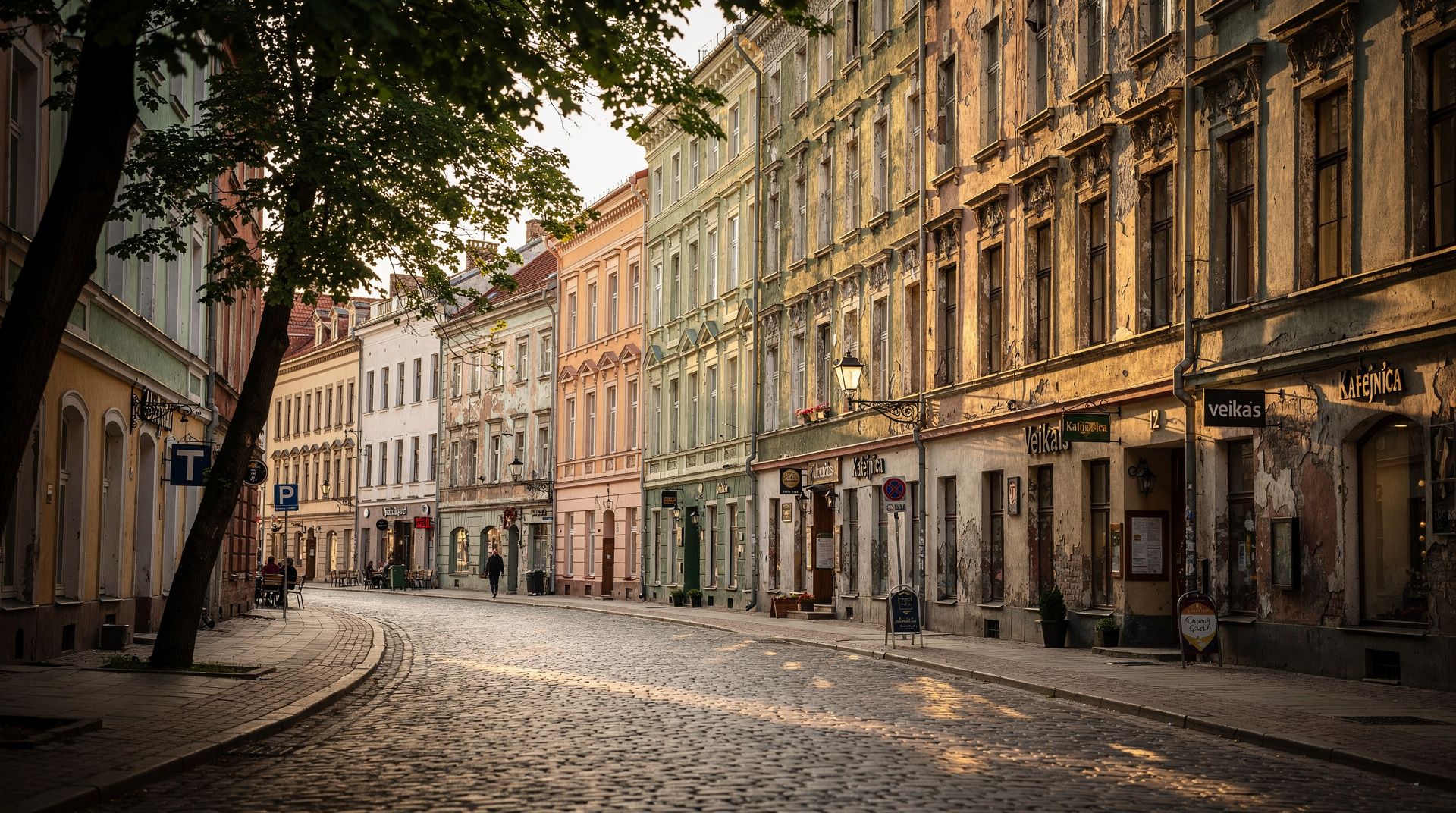
Riga: guided Old Town walking tour
- Free cancellation
- Small group
- English guide
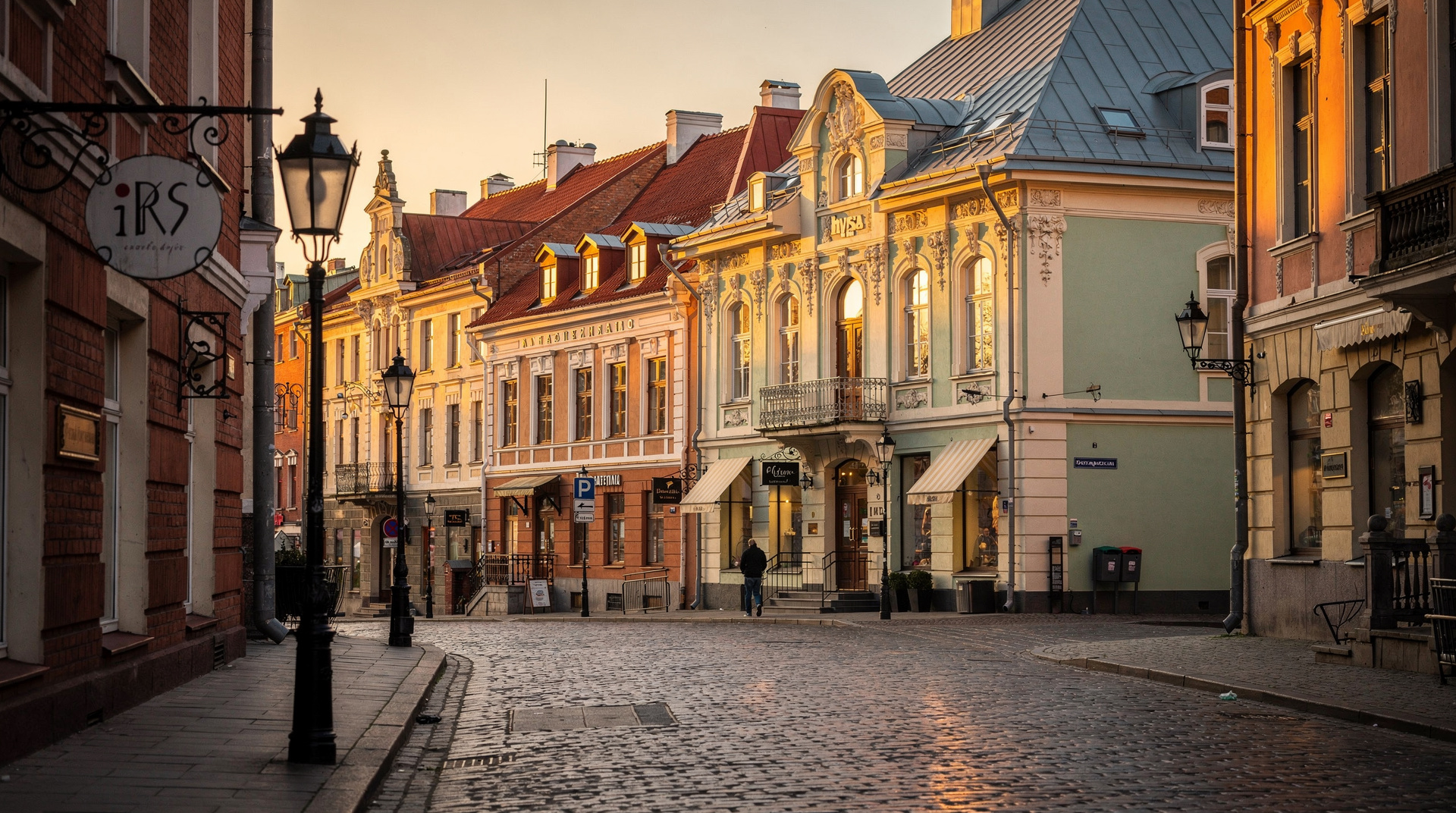
Riga: 2-hour history of Art Nouveau walking tour
- Free cancellation
- Small group
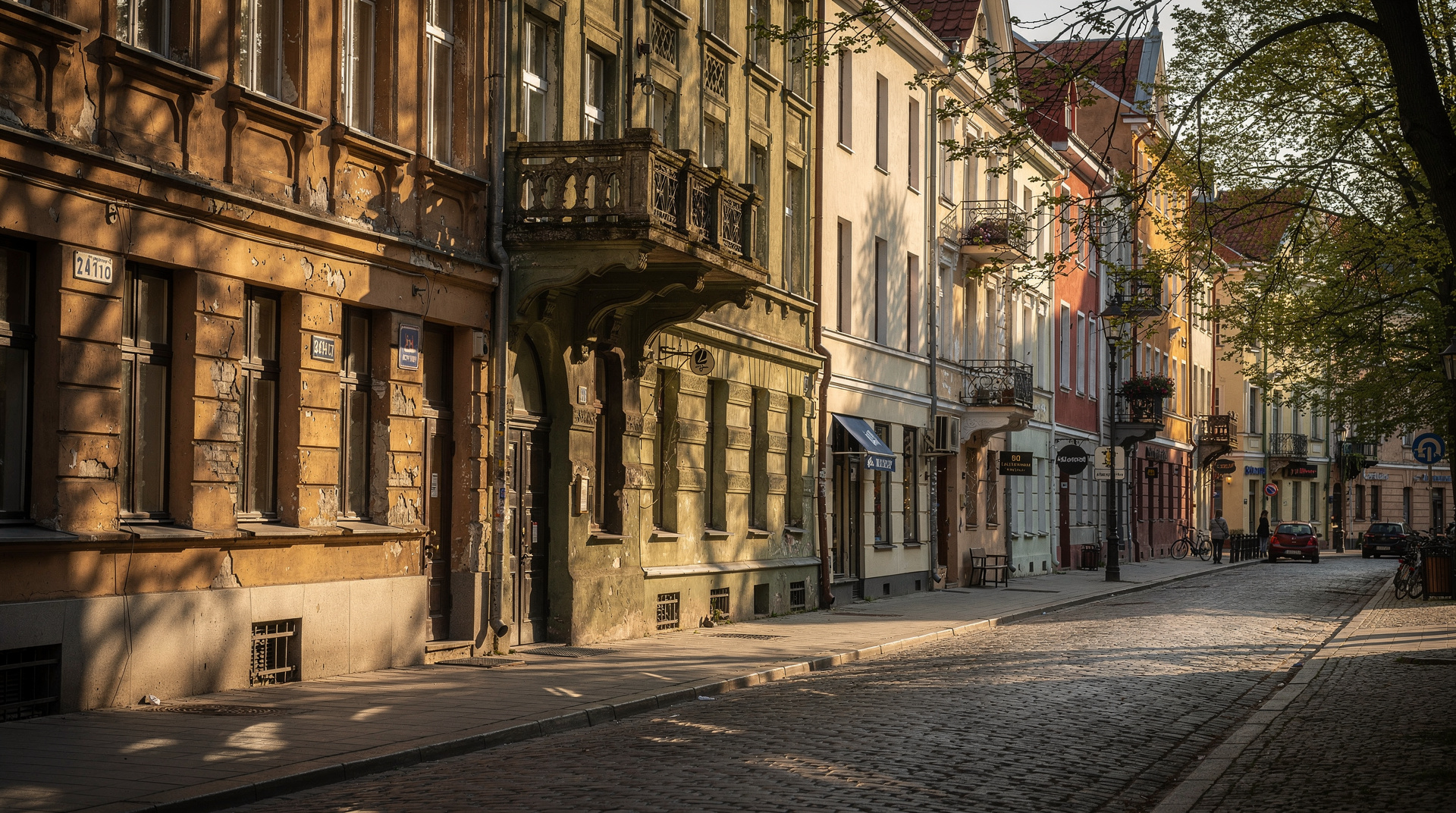
Riga: 3-hour Soviet history walking tour
- Free cancellation
- Best seller
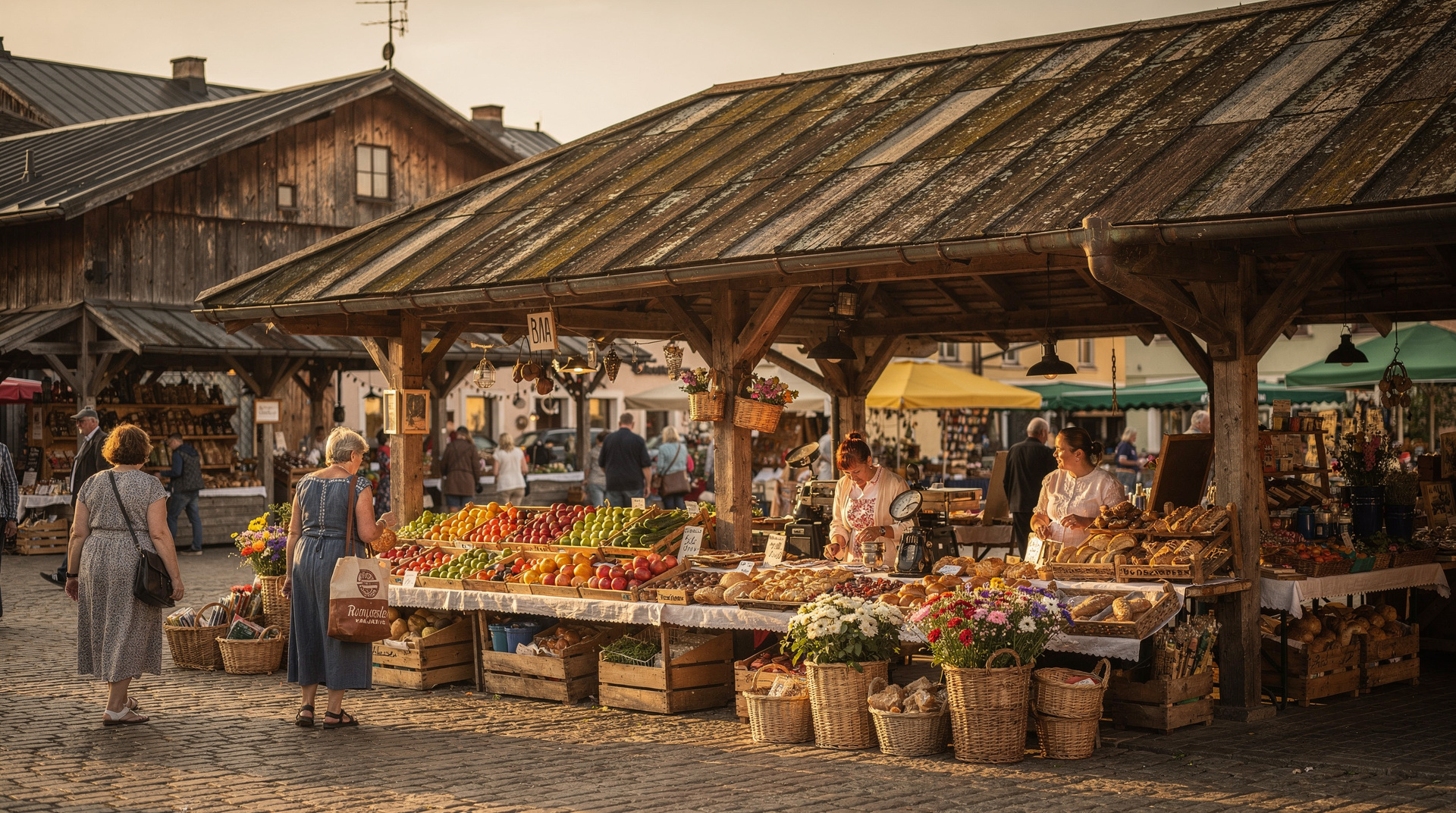
Riga: Central Market traditional food tour in a small group
- Tastings included
- Small group