Riga in winter: what to do when it is dark and cold
Riga: Christmas atmosphere tour to Turaida Reserve and deer safari
Duration: 7 hours
- Seasonal
- Hotel pickup
Is Riga worth visiting in winter?
Yes — with adjusted expectations. December offers the Christmas market and festive atmosphere (highly recommended). January and February are the quietest, cheapest months, excellent for museums, sauna culture, and Soviet history. The darkness (only 6–7 hours of daylight in December) is the main challenge; the cold is dry and manageable with proper clothing.
The honest case for a winter visit
The most common travel advice about Riga in winter tends in one of two directions: either enthusiastically promoting the Christmas market (true, but incomplete) or warning about the darkness and cold (valid, but also incomplete). The honest picture is more nuanced.
Winter in Riga — specifically December — is genuinely atmospheric. The Christmas market on Doma laukums (Cathedral Square) is not the best Christmas market in Europe, but it is authentic and historically resonant (Riga claims, with documentation, to have hosted one of the first Christmas trees in history in 1510). The Old Town covered in snow and lit by market stalls is one of the most beautiful urban winter scenes in northern Europe.
January and February are different: not festive, not photogenic in the conventional sense, but genuinely compelling for the right traveller. The city empties of tourists. Prices drop 30–40%. The local culture — the restaurants, cafes, bookshops, and saunas that Riga residents actually use — becomes accessible in a way that peak season makes impossible. The museums (the Latvian War Museum, the Museum of the Occupation, the National History Museum, the Art Museum) are empty and unhurried.
And the sauna. In winter, the traditional Latvian pirts sauna culture is at its most essential and its most memorable. Jumping from a floating sauna on the Daugava into winter river water, with snow falling and the Old Town spires lit across the water, is an experience that summer visits simply cannot replicate.
| Temperature | -3 to +2°C (December), -5 to -10°C (Jan–Feb) |
| Daylight | Around 6.5 hours at the solstice |
| Cost | 30–40% below July peak |
| Highlight | Christmas market (December), sauna and museums (Jan–Feb) |
| What to pack | Thermal layers, waterproof boots, insulated gloves |
For the full year-round comparison, see Riga weather month by month; if the cold isn’t for you, Riga in spring and autumn covers the milder alternative.
December: the Christmas market month
Doma laukums (Cathedral Square market)
The main Christmas market runs from late November through approximately December 27, centred on Doma laukums in the heart of the Old Town. The square fills with roughly 80–100 stalls selling:
- Handmade woollen goods (mittens, hats, scarves in traditional Latvian patterns — actually good quality, actually locally made, though prices are tourist-level).
- Smoked foods: herring, eel, and various smoked meats from Latvian countryside producers.
- Hot drinks: karstvīns (mulled wine), karstais alus (hot spiced beer — a Latvian speciality), and the ubiquitous Riga Black Balsam in various warm formats.
- Ornaments and local ceramics.
The market is small by German standards (Nuremberg, Cologne, Dresden). On a cold clear evening it is magical. On a grey drizzle afternoon it is pleasant. Do not arrive expecting Strasbourg or Vilnius — those are larger, grander markets. Arrive expecting a genuine neighbourhood Christmas market in a beautiful medieval square, and you will be satisfied.
Vērmanes dārzs market: the better-kept secret
The Vērmanes Garden Christmas market (Vērmanes dārzs, a formal garden a few minutes’ walk north of the Old Town) is smaller than Doma laukums but often more interesting. The craft focus is stronger: more local artisans, better pottery and textile work, slightly lower tourist-mark-up on prices. If you are buying gifts and want something authentically Latvian, Vērmanes dārzs is the better choice.
The two markets are not competing — visit both. Doma laukums in the evening for atmosphere; Vērmanes dārzs in the afternoon for shopping. For the fuller picture — exact dates, stall-by-stall highlights, and how the market compares to other Baltic capitals — see the Riga Christmas markets guide.
Christmas atmosphere tour to Sigulda and Turaida
The Christmas atmosphere tour to Turaida Reserve and deer safari at €78 is a specifically seasonal guided trip that combines the Turaida Castle reserve in winter conditions (snow on the towers, ice on the valley) with a visit to a deer farm for a feeding encounter. Family-friendly, runs December–January. One of the better seasonal day-trip options from Riga in winter.
The winter indoor culture
The cold and short days push visitors toward Riga’s cultural and museum offerings — which are genuinely excellent and radically uncrowded in winter.
Museum of the Occupation of Latvia
The most important history museum in Riga. Covers the Soviet occupation (1940–41, 1944–1991) and the Nazi occupation (1941–44) through personal testimonies, documents, and objects. Free entry. Renovated in recent years; the presentation is clear and honest, neither propagandistic nor sanitised.
In peak summer this museum has queues; in winter you can spend 2–3 hours reading at your own pace without encountering another visitor. Essential for any visitor interested in 20th-century European history. See the Museum of the Occupation of Latvia guide for the full visitor details.
The Corner House (Stūra māja / KGB headquarters)
The former headquarters of the Latvian KGB on Brīvības iela (the “Corner House”) became a memorial and museum. The detention cells, interrogation rooms, and administrative spaces have been partially preserved. Tours are available in English on specific days (check the current schedule). One of the most powerful Cold War sites accessible to visitors in northern Europe.
In winter, the atmosphere of the building — its heavy architecture, the grey light through narrow windows — adds to the experience. Full visiting details are in the Corner House guide.
National Museum of Art and National Library
The Latvian National Museum of Art on Valdemāra iela (grand early 20th-century building) holds the national collection of Latvian painting — the Latvian national Romantic tradition (Janis Rozentāls, Vilhelms Purvītis) is genuinely world-class, largely unknown internationally. In winter, the heated galleries and near-empty rooms provide an ideal environment for a long, unhurried museum visit. See Riga’s best art museums for how it compares to the city’s other galleries.
The National Library of Latvia (Latvijas Nacionālā bibliotēka), the striking contemporary glass building on the Daugava waterfront (Pārdaugava side, visible from the Old Town), is worth visiting for the architecture — one of the most significant contemporary buildings in the Baltic states, designed by Gunnar Birkerts.
Sauna season
Winter is when the Latvian sauna culture makes the most sense experientially. The contrast of extreme sauna heat with the winter cold outside is exactly what the tradition was developed for.
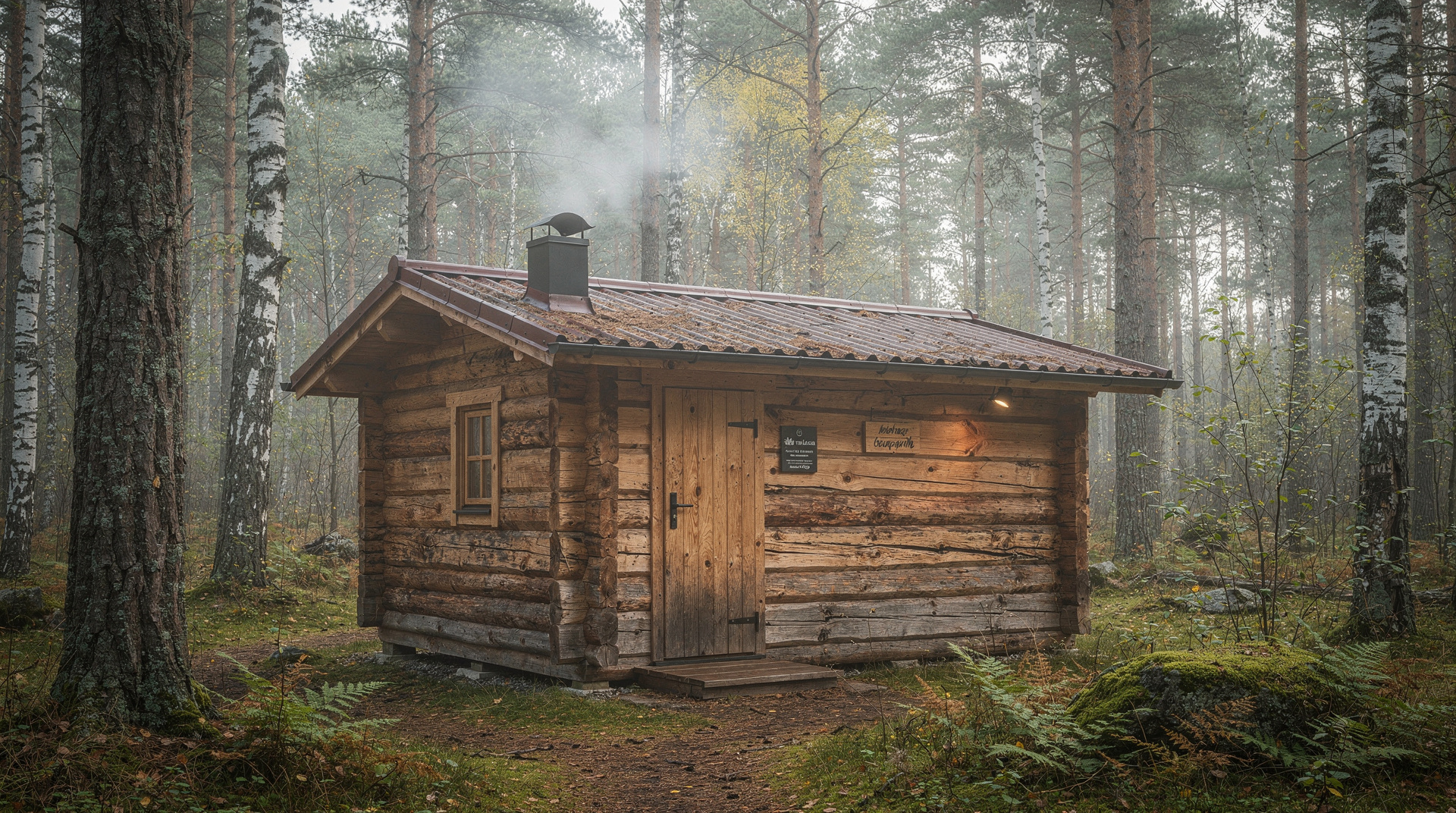
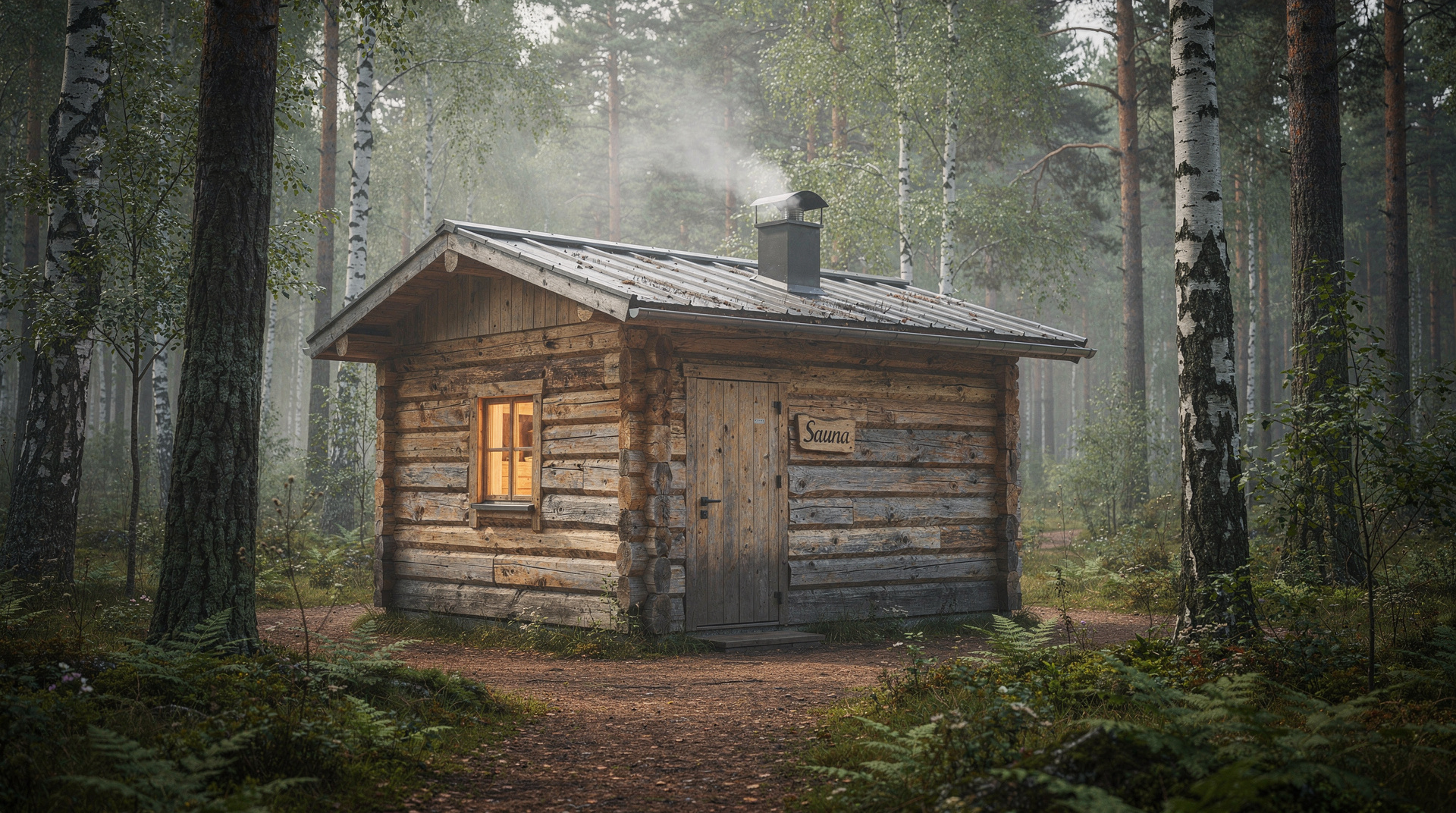
Traditional pirts in winter: The traditional Latvian pirts sauna ritual at €95 is available year-round but is most culturally resonant in winter — the ritual of heating the wood-fired sauna against the cold, the birch branch steam, the cooling in snow or cold water, is the ancestral Latvian winter health practice.
Floating sauna on the Daugava in winter: The Daugava floating sauna at €92 in winter creates one of the most genuinely memorable experiences Riga offers. The river water at 2–5°C, the steam rising from the sauna cabin, the snow on the dock, the Old Town lights across the water — this is a sensory experience impossible in summer. Book in advance; winter floating sauna slots fill quickly.
Practical winter logistics
Clothing: Riga winter requires proper cold-weather gear. -10°C with wind (a regular January condition) feels significantly colder than the thermometer suggests. Essentials: thermal base layer, insulated mid-layer, waterproof outer, wool hat covering the ears, insulated waterproof gloves, warm socks, and waterproof boots with insulated lining. Do not underestimate: a three-day city trip in cotton trainers and a light jacket in January is miserable.
Daylight strategy: With only 6–8 hours of daylight in December–January, plan outdoor sightseeing (Old Town, canal parks, markets) for the available daylight hours (10am–3pm). Use mornings for indoor museums and cafes; save the 11am–2pm window for outdoor walking.
Walking surfaces: After a freeze-thaw cycle or snow, Riga’s cobblestones can be icy. The city sands and grits main pedestrian routes but not all of them. Grip-soled shoes or lightweight ice cleats (yaktrax-type) are genuinely useful.
Ice on the Daugava: In the coldest winters, the Daugava River partially or fully freezes — creating extraordinary photographic scenes from the bridges. This typically happens in January–February and is not guaranteed every year.
Budget reality in winter
January and February are the cheapest months to visit Riga. Indicative prices:
- 3-star hotel in Old Town: €55–80/night (vs €110–160 in July)
- Restaurant main course in the Old Town: €12–18 (unchanged from summer — food prices are less seasonal than accommodation)
- Attraction queues: virtually none
- Total daily budget (mid-range): €80–100/person/day
Winter is the ideal time for visitors who want quality Riga experiences on a reasonable budget. For a fuller breakdown of what things actually cost year-round, see Riga money, budget and real prices.
Honest tips
The darkness is real but manageable. Plan your day around the available daylight. End your outdoor activities by 3:30pm and transition to indoor culture, cafes, or sauna as darkness falls. The cozy cafe culture of Riga (Rocket Bean Roastery, Labietis, the coffee bars on Miera iela) is at its most appealing when it is dark and cold outside.
December 26–31 is very quiet. After the Christmas market ends and before New Year, Riga is largely empty of tourists. Excellent for solo travellers and couples who want the city to themselves.
New Year’s Eve in Riga: The fireworks and celebrations on Doma laukums are genuinely spectacular — the square fills with locals (not tourists), the fireworks launch over the cathedral, and the Old Town ring with celebration. One of the better New Year’s destinations in northern Europe if you are already in the region.
Frequently asked questions
Does Riga have a New Year’s Eve celebration?
Yes — fireworks over Doma laukums, public celebrations in the Old Town, and club events throughout the night. The public celebration is free and draws mostly Riga residents.
Is the Christmas market free to enter?
Yes — both the Doma laukums and Vērmanes dārzs markets are free to enter. You pay only for what you buy.
When does the Riga Christmas market open and close?
Typically late November (around November 25–28) through approximately December 27. Exact dates vary by year — check Riga Tourism for the current year’s schedule.
Is it possible to skate outdoors in Riga in winter?
Several ice skating rinks appear in central Riga during December–February (most reliably on Esplanade park and sometimes Doma laukums area). These are temporary installations, seasonal and weather-dependent. Rental skates typically available at the rink.
Does the Sigulda bobsleigh run on real ice in winter?
Yes, when conditions allow — see the Sigulda bobsleigh summer and winter experience guide for how the ice-track format differs from the wheeled summer version and how to check current operational status.
Frequently asked questions about Riga in winter
How cold does Riga get in winter?
How many hours of daylight are there in December in Riga?
What is the Riga Christmas market like?
Is Riga busy in winter?
Can you do the Sigulda bobsleigh in winter?
Top experiences
Bookable activities with verified prices and instant confirmation on GetYourGuide.