Riga in summer: festivals, beaches and how to handle the crowds
The Soul of the Baltic Sea: Jūrmala half-day tour
Duration: 4 hours
- Hotel pickup
What is Riga like in summer?
Summer (June–August) is peak season: 18–25°C, extraordinary long days (4:30am sunrise at the solstice), beach season at Jūrmala, festivals including Jāņi midsummer. Also the most expensive and crowded season. Old Town restaurants fill up and prices rise 30%. The sweet spot is late May–early June and September.
Summer in Riga: extraordinary light, elevated prices
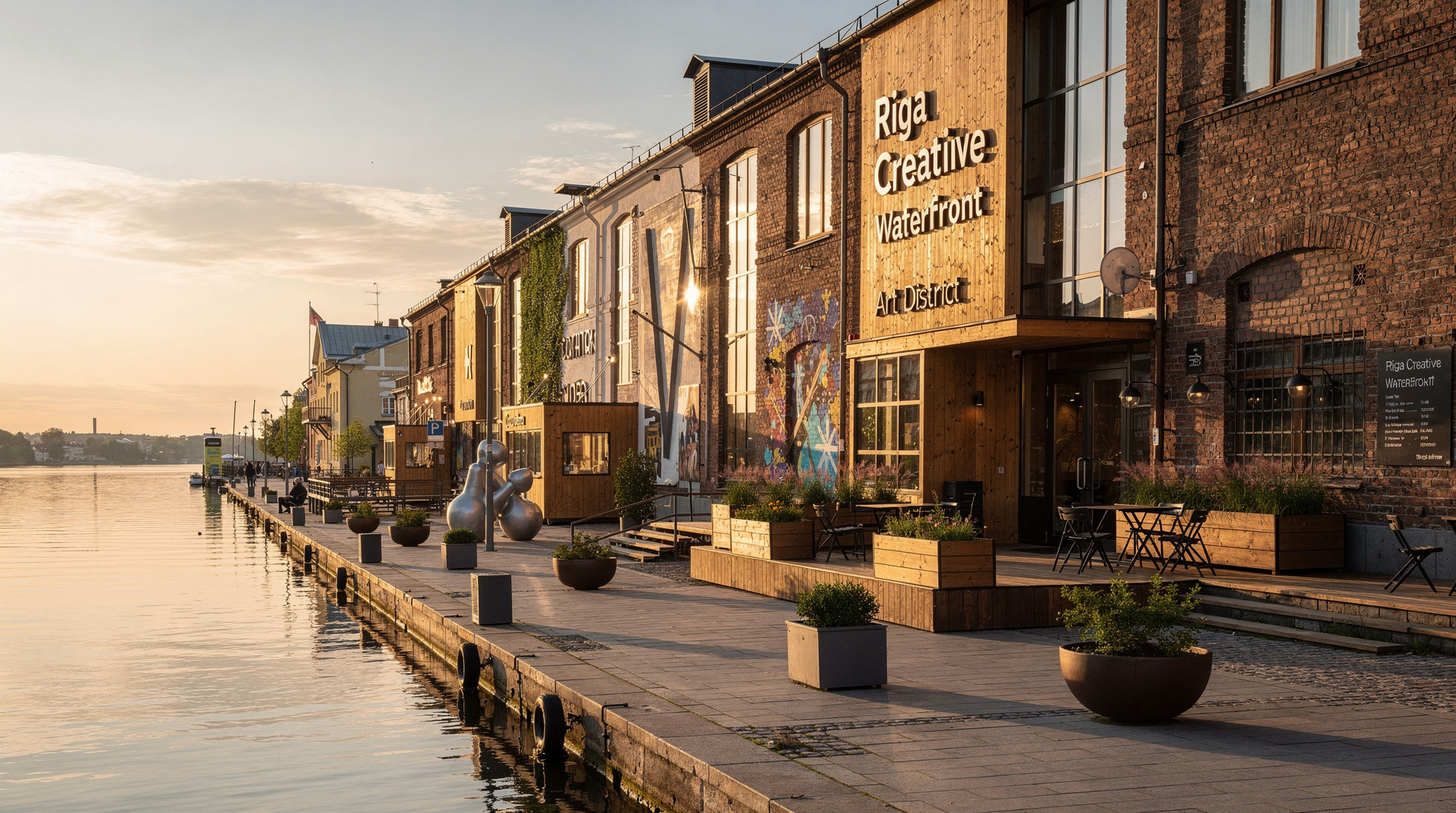
The thing that summer does to Riga that no photograph quite prepares you for is the light. At 56°57’N, Riga is at the latitude of southern Scotland — and in June the sun barely sets. At the solstice on June 21, sunrise is at 4:32am and sunset at 10:33pm. The sky never fully darkens; a persistent orange-pink glow sits on the northern horizon at midnight. Walking through the Old Town at 10pm in full daylight, with cafe terraces spilling onto warm cobblestones and the church towers lit gold, is genuinely extraordinary.
This same latitude gift comes with a summer peak season reality: Riga in July is the most crowded and most expensive version of Riga. The tour groups from cruise ships docking in the Passenger Terminal, the weekend city-breakers from Stockholm and Helsinki, and the Latvian domestic summer holiday season converge on the Old Town simultaneously. Restaurant queues appear. Prices rise. The streets that were walkable in April fill with selfie sticks in July.
This guide tells you how to experience summer Riga at its best — which means managing the crowds strategically, knowing where to eat and drink without tourist surcharges, and understanding which summer experiences are uniquely worth the peak-season premium.
| When | June–August, peak crowds and prices in July |
| Temperature | Around 17–24°C, warmest in July |
| Sea temp (Jūrmala) | Around 16–20°C in July–August |
| Cost | Roughly 20–30% above shoulder-season prices |
| Key event | Jāņi/Līgo midsummer, 23–24 June |
If flexible dates matter more to you than long daylight, Riga in spring and autumn makes the honest case for shoulder season instead; for the opposite trade-off, see Riga in winter.
The summer calendar
Jāņi and Līgo (23–24 June)
Jāņi (the summer solstice festival, equivalent to Midsummer in Scandinavia) is Latvia’s most important national celebration and one of the most distinctive cultural events in northern Europe. The official national holiday falls on June 24 (Jāņi); the evening of June 23 (Līgo) is the main celebration.
What happens: Latvians leave the cities in enormous numbers — the towns empty as families head to the countryside for bonfires, folk singing, flower crowns (women and girls wear flower wreaths; men wear oak leaf crowns), and the ritual of staying up through the “white night” to watch the sun set and almost immediately rise again. The traditions include jumping over bonfires, searching for the legendary fern flower at midnight, drinking Jāņi beer (a specific herbal style), and singing traditional Latvian folk songs (dainas) that date back centuries.
For visitors, two realities:
If you want to participate (highly recommended): Book well in advance (hotels and rural guesthouses sell out 2–3 months ahead for the Jāņi weekend), research countryside celebrations (some rural guesthouses and Latvian families invite tourists for a full Jāņi experience), or join a Jāņi event organised for visitors by Latvian tourism operators.
If you want to sightsee in Riga on June 23–24: Know that much of the city is closed. Shops, many restaurants, museums, and attractions observe the public holiday. The Old Town is eerily quiet — locals have left. The few tourist-oriented places that stay open charge premium prices. Arriving in Riga on June 23 expecting a normal tourist day is the standard disappointment. Either fully embrace Jāņi or plan your Riga dates to avoid it. For the full breakdown of what’s open, what’s closed, and how to build a rural Jāņi experience, see the Jāņi and Līgo festival guide.
Riga City Festival (Rīgas svētki)
Usually held in the second or third week of August, the Riga City Festival is the city’s main summer celebration — a multi-day event with outdoor concerts (free and paid), craft markets, street food, and entertainment throughout the Old Town and surrounding streets. The scale has grown significantly in recent years and the 2026 edition is expected to include the main stages at Daugavas waterfront and Esplanade park.
The City Festival is a genuinely good time to be in Riga if the dates work for your visit. The city is in its best summer mood: locals and tourists together, excellent street food, live music from Latvian and international acts, and the long summer light extending the evening celebrations past midnight.
Positivus Festival
Latvia’s largest music festival, Positivus operates at Salacgrīva on the Baltic coast (approximately 100 km north of Riga) in July. While not in Riga itself, it draws international headliners and creates a significant festival atmosphere in the city the days before and after. Transport from Riga to Salacgrīva runs as shuttle buses during the festival period. For music festival attendees, Riga works well as a base city with a 2-hour shuttle to the festival site.
Midsummer Song and Music events
Throughout June and July, Riga’s parks and cultural venues host free and low-cost outdoor concerts drawing on Latvia’s extraordinary singing tradition. The Latvian Song and Dance Festival (the major quadrennial event) occurs every five years; in between, smaller regional and city-level events maintain the tradition. The Esplanade park and Mežaparks open-air stage are the main venues for free outdoor music in summer.
Jūrmala in summer
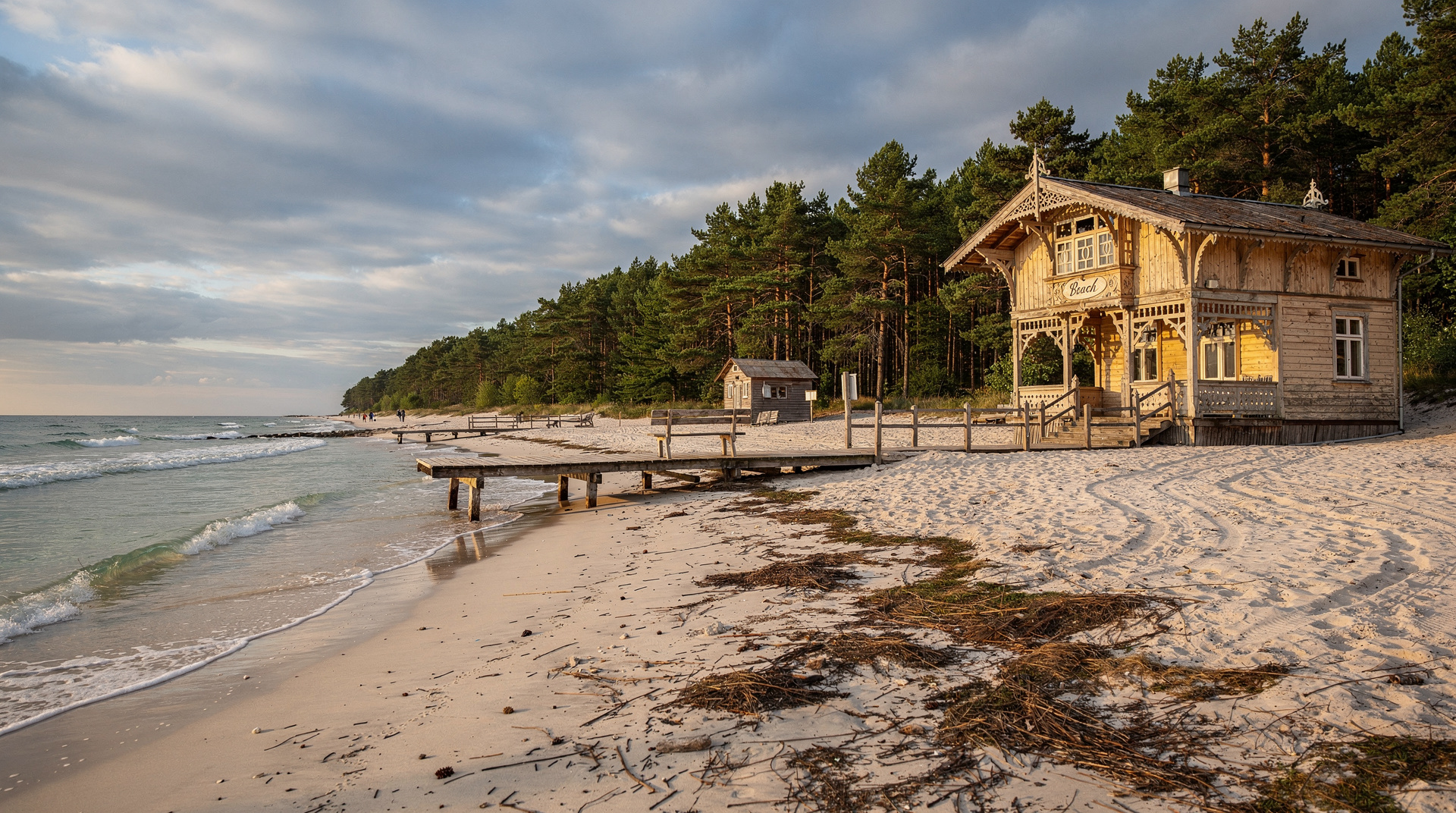
The Baltic Sea beach resort 25 km west of Riga becomes Riga’s primary summer amenity. The Pasažieru Vilciens train from Riga Central Station runs every 20–30 minutes (25 minutes, €2) and carries thousands of beach-bound Rigans on summer weekends — see Riga public transport tickets and rules for how the train tickets work. For the fuller picture on a Jūrmala day out beyond the beach — the wooden villa architecture, where to eat, which access point to pick — see the dedicated Jūrmala day trip guide.
The Jūrmala half-day guided tour at €65 is a good option for first-time visitors who want the villa architecture context explained. For repeat visitors or those comfortable with independent travel, the €2 train is the obvious choice.
Summer beach reality at Jūrmala: In July and August the beach at Majori is busy — not Mediterranean-overcrowded, but the beach towel proximity requires accepting neighbours. The beach extends for 33 km; walk 20–30 minutes north of the main Majori access point and the crowds thin dramatically. The Ķemeri end of the Jūrmala beaches (Jaunķemeri, Ķemeri) sees far fewer visitors.
Sea temperature: 16–20°C in July–August. Most northern European visitors find this acceptable for swimming; visitors from warm-water beach cultures may not.
Summer activities that are specifically summer
Sigulda summer bobsleigh: The wheeled track at the Sigulda Olympic facility runs April–October. Summer is the practical window for most visitors; the experience is honest about being wheeled rather than ice. See the summer bobsleigh tour from Riga for details and honest context.
Aerodium wind tunnel: Open May–October only. The summer window is the only time visitors can access this experience. See the Aerodium guide.
Gauja National Park autumn preview: July–August hiking in the Gauja valley is excellent but hot. The autumn foliage preview starts in late August; September is the transition month when hiking is ideal (cool, colourful, far fewer visitors than summer). See the Sigulda and Gauja day trip guide for trail options and how to combine hiking with the castle sites.
Boat cruises on the Daugava: The canal and Daugava wooden boat cruise at €18 is available year-round but has obvious advantages in summer: warm air, long evening light, and the ability to sit on the open deck rather than the enclosed lower cabin.
Crowd management strategies
Old Town morning walks: The Old Town in July at 8am is entirely different from the same streets at 1pm. Walking before the tour groups arrive gives you the medieval architecture in peace. St Peter’s Church tower is empty before 10am; the House of the Blackheads queue is nonexistent before 9:30am.
Eat where locals eat: The restaurants within 200 metres of Cathedral Square (Doma laukums) and Town Hall Square (Rātslaukums) serve tourist-priced meals to tourists. Five minutes’ walk in any direction and the prices drop 20–30% while quality often increases. Specifically: Miera iela (10 minutes from Old Town by Bolt), Bergs Bazaar courtyard (Quiet Centre), and Āgenskalns Market (Pārdaugava) are where Riga residents eat in summer.
Lido for families and groups: The Lido restaurant chain (Latvian self-service buffet with enormous variety and genuine local food) has locations throughout central Riga. The Lido Vienības laukums and the Lido Sporta have outdoor summer terraces. For groups and families who want to feed everyone quickly and affordably with genuine Latvian food (dark rye bread, grey peas with bacon, roast pork, dairy products), Lido is the consistent answer. Main course with side dish: €6–10.
Honest tips
Summer is not the best time for a first Riga visit if you have flexibility. May and September offer 90% of the summer appeal with 40% fewer visitors and 20–30% lower hotel prices. The light in May (17+ hours by mid-month) is extraordinary. September keeps the warmth while returning the city to a manageable pace.
If you must visit in July: Book accommodation 2–3 months in advance, especially in the Old Town. Restaurant reservations for popular places (Vincents, Lido Sporta, the better restaurants on Miera iela) are advisable Thursday through Sunday. Plan Old Town walking for early morning or late evening.
Jāņi is worth planning around specifically: Either book an authentic rural Jāņi experience 3+ months ahead, or plan your Riga dates to avoid the holiday entirely (arriving June 25 or later means missing the holiday disruption while still getting good summer weather).
Frequently asked questions
What is the most popular festival in Riga in summer?
Jāņi (midsummer, June 23–24) is the most culturally significant. The Riga City Festival (mid-August) is the largest urban summer event. Positivus (July, at Salacgrīva) is the largest music festival.
Can you see the Midnight Sun in Riga?
Not technically the Midnight Sun (which requires being above the Arctic Circle). But at the June solstice, Riga gets genuine twilight on the northern horizon all night — the sky never fully darkens. The effect is extraordinary and highly photogenic.
Is Riga good for swimming in summer?
Not in the Daugava River (not safe for swimming). Yes at Jūrmala (25 km, Baltic Sea, 16–20°C in July–August). Yes at Ķīšezers lake in Mežaparks (warmer than the sea, closer to the city).
When is the best time to visit Riga in summer for fewer crowds?
June (before Jāņi) and September offer summer conditions with noticeably fewer visitors. Early July (before major summer holidays kick in fully) is somewhat calmer than mid-July and August.
Frequently asked questions about Riga in summer
What festivals happen in Riga in summer?
When is Jūrmala beach good for swimming?
Is Riga overcrowded in summer?
What time does it get dark in Riga in summer?
What is the average temperature in Riga in summer?
Top experiences
Bookable activities with verified prices and instant confirmation on GetYourGuide.