Riga in spring and autumn: the honest case for shoulder season
From Riga: Cēsis, Sigulda and Turaida Castle tour
Duration: 10 hours
- Hotel pickup
- Free cancellation
- Best seller
Is spring or autumn better for visiting Riga?
September and early October are the best shoulder season months — warm enough for outdoor sightseeing (13–18°C), spectacular autumn foliage in the Gauja valley near Sigulda and Cēsis, 20–30% cheaper than peak July, and far fewer tourists. May is the best spring month: blooming parks, long days, and prices still below summer peak.
Why shoulder season is the honest recommendation
If you have read this far into the seasonal guides for Riga, you will have noticed a pattern in the honest advice: summer (July) is peak season with peak prices and peak crowds; winter is atmospheric but dark; December has the Christmas market but is limited by daylight. The honest recommendation — if you have any flexibility in your schedule — is the shoulder seasons: late May to early June, and September to mid-October.
This is not travel writer boilerplate about “avoiding crowds.” Riga in shoulder season genuinely offers specific experiences that summer and winter do not:
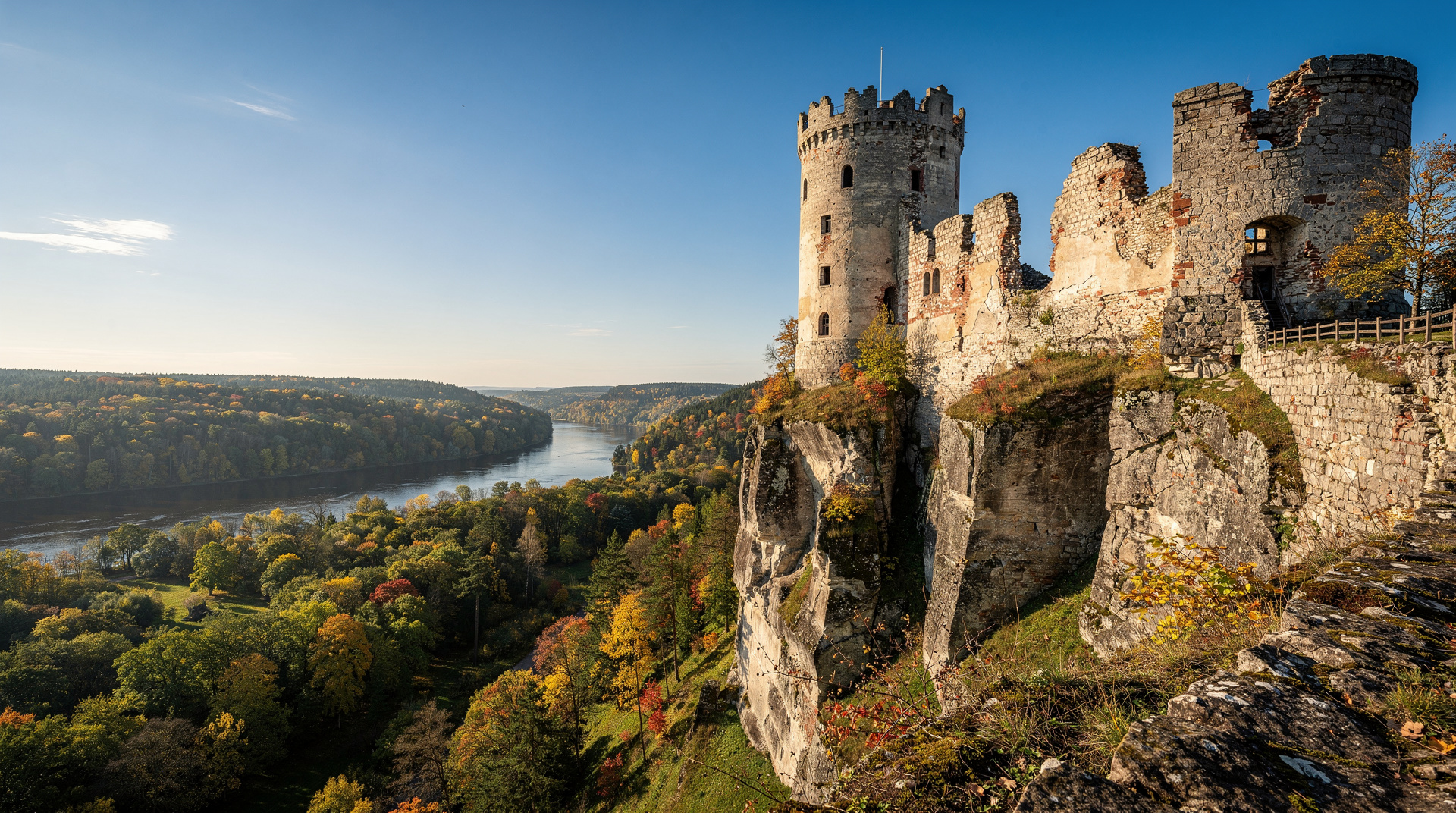
The Gauja valley in autumn is one of the most spectacular natural colour shows in northern Europe — the birch, aspen, and maple forest turning amber-copper-red along the valley walls between Sigulda and Cēsis, with morning mist sitting in the valley bottom. This is not available in summer.
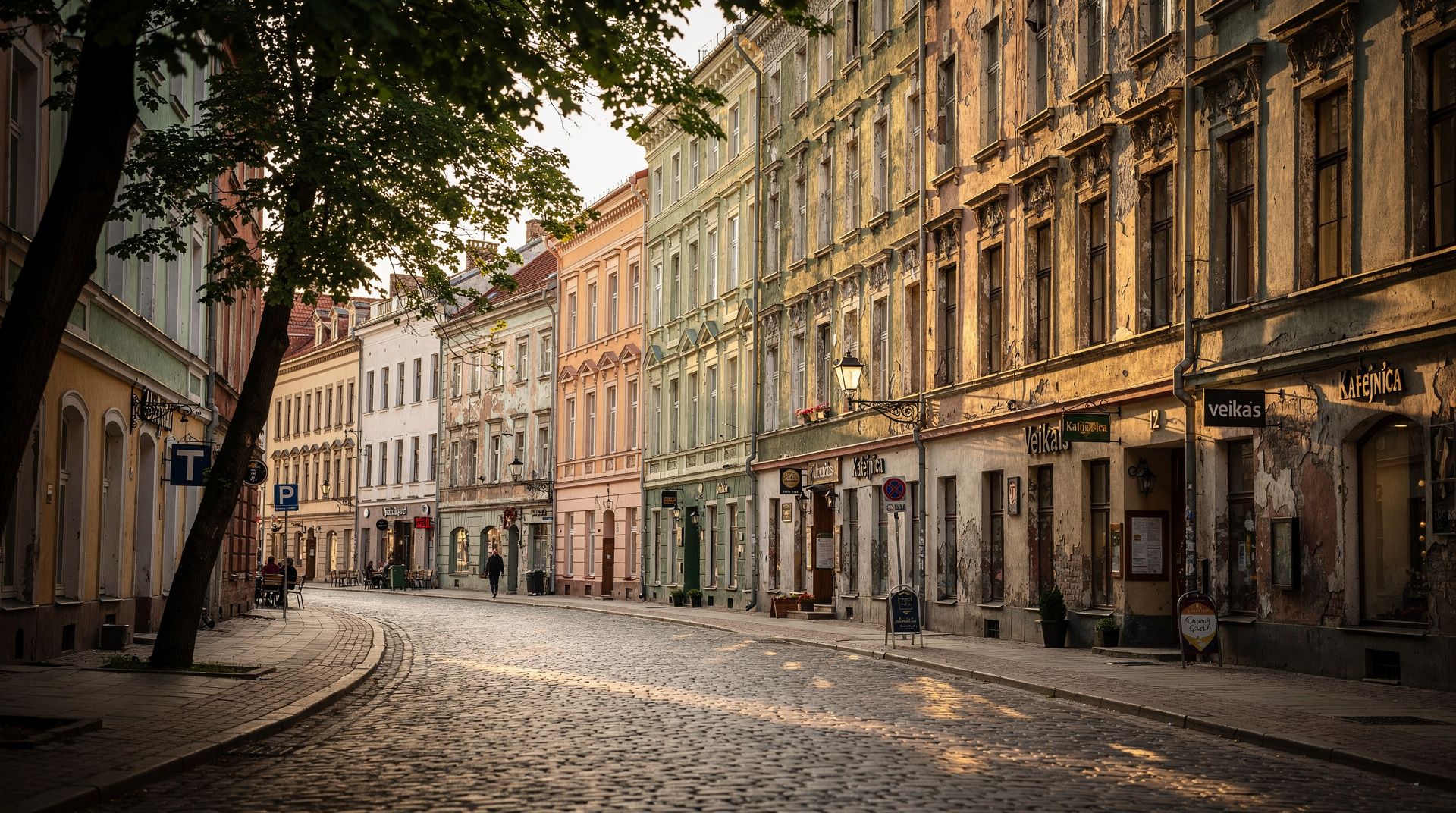
The Old Town in May — fresh green leaves on the linden trees of the canal park, quiet streets before the tour groups arrive, the art nouveau buildings catching warm spring light — is a different city from the tourist-filled July version.
The prices — genuinely and significantly lower, not marginally: hotel rooms at €75–110/night (vs €110–160 in July), restaurants without queues, day trip tours with open bookings.
This guide covers what each shoulder season month actually offers.
| Best months | May (spring), September–early October (autumn) |
| Temperature | 12–18°C typical shoulder-season range |
| Hotel 3-star | Around €75–105/night, 20–30% below July peak |
| Highlight | Gauja valley foliage (late Sept–mid Oct) or canal park blossom (May) |
| Avoid | March and November unless budget/quiet matters more than weather |
For the full year-round breakdown, see Riga weather month by month; if you’re deciding between shoulder season and the extremes, Riga in summer and Riga in winter cover the other two options.
Spring in Riga
March: the complicated thaw
March is the transition month, and it is not always kind. Snow melts into grey slush; the Canal Park trees are bare and the parks look their least appealing. Temperatures swing between -2°C and +8°C. Daylight increases noticeably — from 10 hours at the start to 13 hours by month’s end.
What works in March:
- Museum visits are excellent (completely uncrowded)
- The art nouveau architecture looks magnificent even in bare-tree condition
- Prices are at near-winter lows (hotel 3-star: €55–75)
- The Corner House (former KGB headquarters) tour is best experienced in grey light
What does not work:
- Gauja hiking (trails muddy until mid-April)
- Jūrmala (beach season months away)
- Photography (flat grey light on most days)
Honest verdict: March is a good choice only for culture-focused budget travellers who specifically want empty museums and good prices.
April: blooming begins
By mid-April, Riga begins to be properly pleasant. Temperatures reach 8–14°C, cherry and apple trees start blooming in the canal parks, and the daylight extends to 14–15 hours by month’s end. Prices are still moderate (hotel 3-star: €65–85/night).
What works in April:
- The canal parks and Bastejkalns when the first leaves appear and cherry trees bloom
- Art nouveau district without tourists
- Rundāle Palace gardens — formal parterres coming back to life (roses not yet flowering but the overall composition is visible)
- The early Sigulda trails (dry by mid-April most years)
What does not work:
- Jūrmala swimming (water too cold)
- Full Gauja valley foliage (not yet)
Honest verdict: April is underrated. The city feels like it is waking up, prices are good, and the spring blooming in the canal parks is genuinely beautiful.
May: the recommended spring month
May is the best spring option by a significant margin. Temperatures reach 15–20°C by mid-month; daylight stretches to 17+ hours; cherry and apple blossoms give way to full green leaf, and the city feels completely alive without the tourist density of summer.
What is specifically good about May Riga:
- The Canal Park (Bastejkalns, Vērmanes dārzs area) in full leaf with evening light extending to 9:30–10pm — extraordinary for evening walks
- The Ethnographic Open-Air Museum: farmsteads with spring plantings and farm animals active
- Day trips to Sigulda: trails at their best before summer dust, Gauja valley in fresh green, tourist groups not yet at peak
- Rundāle Palace rose gardens beginning to bud (full bloom usually late June)
- Hotel prices: €75–100/night (3-star) — not yet peak summer
The one May caveat: Jāņi preparations begin late May; if you are visiting in late May through early June, understand the June 23–24 holiday impact on your plans.
Honest verdict: May is arguably the best month to visit Riga, particularly for couples and cultural travellers. The combination of good weather, long days, blooming parks, and pre-peak prices is optimal.
Autumn in Riga
September: the second recommended month
September consistently rivals May for the title of best overall month to visit Riga. The reasoning:
- Temperatures remain warm: 13–18°C early September, cooling to 10–14°C by month’s end.
- Daylight still generous: 14+ hours in early September, dropping to about 11 hours by the 30th.
- Gauja valley foliage begins: late September is when the first amber colours appear in the Sigulda–Cēsis valley, building toward the October peak.
- Summer tourist crowds drop noticeably from August: Old Town restaurants no longer have queues; Turaida Castle is accessible without competition for photographs.
- Prices: 15–25% below July peak (hotel 3-star: €80–105/night).
The Cēsis, Sigulda and Turaida day trip in September is particularly good: the autumn light is soft and photographic, the trails are dry and cooler than summer, and the castle towers against early autumn foliage are the postcard images of the Gauja valley.
September Gauja hiking: The Old Town walking tour is best in September when the guide-to-participant ratio is more intimate and the streets are cooler and more comfortable for walking.
October: the foliage month
October is the most visually spectacular month for the Gauja valley and the least-crowded month that still offers genuinely good outdoor sightseeing.
Late September to mid-October Gauja: The deciduous forest on the Gauja valley slopes — birch, aspen, maple, linden — turns in sequence through amber, gold, copper, and crimson. The combination of the sandstone cliff faces (which don’t change colour but gain depth in autumn light), the dark water of the Gauja below, and the exploding tree colour above creates one of the most dramatic natural colour shows in northern Europe.
Morning mist in October settles in the valley bottom while the slopes are clear and lit — creating the classic “river of mist” photography opportunity that experienced landscape photographers specifically schedule around.
October logistics: Day trips to Sigulda and Cēsis by train work well. The Turaida Museum Reserve is open through October. Some adventure activities begin closing: check Aerodium (typically closes by late October) and confirm bobsleigh status (transitioning from summer to winter format).
October hotel prices: €65–90/night (3-star) — among the best value periods of the year for quality hotel stays.
November: the honest grey month
November is the month the locals warn you about. Temperatures: 0–6°C, with persistent damp and overcast skies. Daylight drops below 8 hours by month’s end. The foliage is gone, the parks are bare, and the light is flat and grey from 9am to 3pm.
Very low prices (hotel 3-star: €50–70/night). Almost no tourists. Authentic local city atmosphere.
Who November is for: photography enthusiasts who want empty streets and dramatic grey-sky architecture; budget travellers who prioritise cost over weather; visitors who enjoy the introspective quality of a northern city in its darkest functional season.
The Christmas market usually opens in late November (around November 25–28), which redeems the final days of the month. The week between the market opening and December 1 is an unusual sweet spot: Christmas atmosphere and Christmas market, minimal tourist crowds, prices still below December levels.
Comparing the shoulder season months
| Month | Temperature | Daylight | Crowds | Hotel 3* | Highlight |
|---|---|---|---|---|---|
| March | -2 to +8°C | 10–13h | Very low | €55–75 | Budget museum visits |
| April | 8–14°C | 13–15h | Low | €65–85 | Cherry blossom, canal parks |
| May | 12–18°C | 15–17h | Low-moderate | €75–100 | Best spring month |
| September | 13–18°C | 11–14h | Moderate | €80–105 | Best autumn month, foliage begins |
| October | 7–12°C | 9–11h | Low | €65–90 | Peak Gauja foliage |
| November | 0–6°C | 7–8h | Very low | €50–70 | Budget, Christmas market end-month |
Practical tips for shoulder season
What to pack for May: Light layers, waterproof jacket, comfortable walking shoes (not sandals — spring cobblestones can be wet). Light scarf for evenings (10pm still 12–15°C but the wind from the Daugava is cool).
What to pack for September–October: Warmer layers for October, waterproof jacket always, warm socks. October can bring the first cold days (6–8°C) without warning.
Booking: Shoulder season accommodation is readily available without advance planning for weekday arrivals. Weekends in May and September in the Old Town still book up — 2–3 weeks ahead is safe. October is the most freely bookable month of the year.
Adventure activities: Confirm availability for Aerodium, bobsleigh, and horse riding — these are seasonal with specific cutoff dates that vary by year.
Shoulder season day trips worth prioritising
Shoulder season is arguably the best time for Riga’s day trips, since the sites that get crowded in July are near-empty in May and September. The Sigulda and Gauja day trip is the obvious first choice for the foliage months, and Cēsis pairs well with it for a fuller castle-and-valley day.
Rundāle Palace is genuinely better in shoulder season — the formal gardens photograph well without July’s tour-bus crowds, even if the roses themselves aren’t at full bloom until June. Jūrmala is less obviously a shoulder-season destination since swimming isn’t realistic, but a beach walk on a crisp September afternoon has its own appeal. For a broader view of when to schedule your whole trip, best time to visit Riga weighs shoulder season against the other options directly.
Honest summary
The honest recommendation for first-time Riga visitors is: visit in May or September. Not July (too crowded, too expensive). Not November (too grey, too closed). The shoulder season months offer the best combination of Riga’s considerable assets — the art nouveau architecture, the Old Town medieval streets, the day trips to the Gauja valley, the outdoor cafe culture — with the most manageable logistics and the best value.
If you are visiting specifically for the Gauja valley autumn foliage, plan for late September to mid-October specifically (ideally with a Monday–Thursday window to miss any weekend crowds at Turaida).
Frequently asked questions
Is Rundāle Palace open in September and October?
Yes — Rundāle Palace is open daily May through October (9am–6pm in peak, shorter hours in autumn). The rose garden is past peak by September but the formal garden structure and palace interior are fully accessible.
Can you swim at Jūrmala in September?
The water temperature in September is typically 14–16°C — cold but possible for dedicated swimmers. By October it is below 12°C and swimming is not practical. Beach walks are pleasant throughout September and into October.
What is the weather risk in shoulder season?
Both May and September can have rainy periods of 2–4 days. A persistent wet week in either month is unusual but possible. Pack accordingly and have indoor backup activities (museums, cafes, Ethnographic Museum indoor sections).
Is the Old Town beautiful in autumn?
Very much so. The linden trees in the Canal Park and the scattered trees in the Old Town itself turn yellow in October, adding warmth to the medieval stone backdrop. The golden light of October afternoons (when the sun is lower in the sky and at a photographic angle) gives the art nouveau facades a warmth not seen in summer’s overhead light.
Frequently asked questions about Riga in spring and autumn
What is the weather like in Riga in May?
What is autumn in Riga like?
How much cheaper is Riga in shoulder season?
Is the Gauja valley autumn foliage worth a special trip?
What can you not do in shoulder season in Riga?
Top experiences
Bookable activities with verified prices and instant confirmation on GetYourGuide.